Mallorca Property Guides · Insights & Editorial from the Field
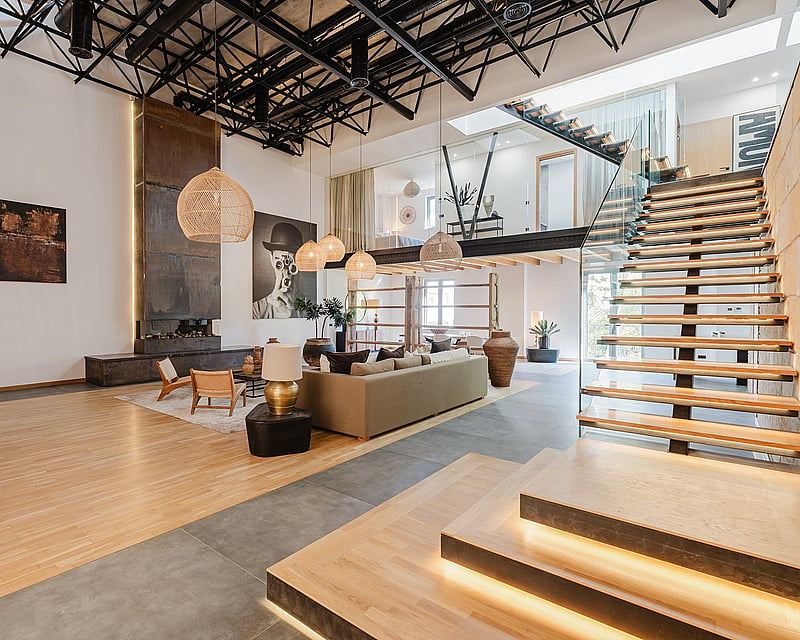
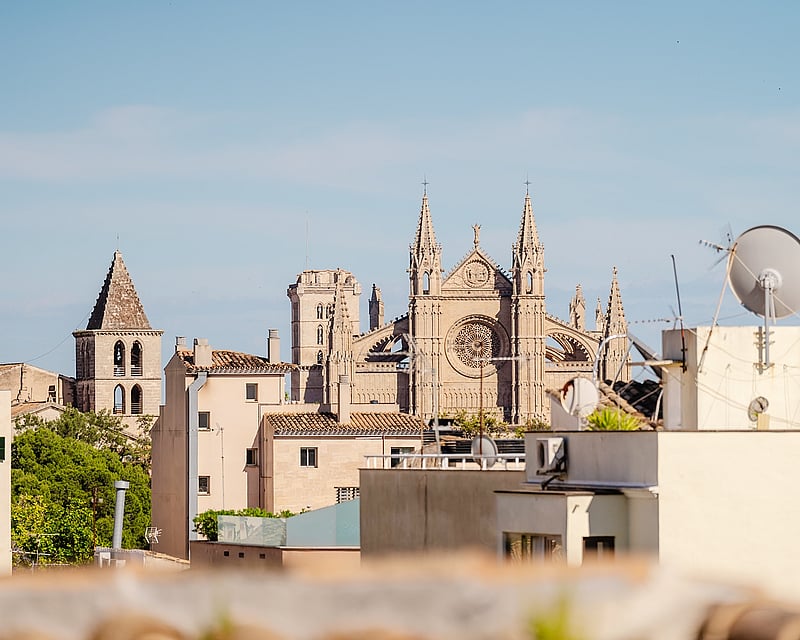
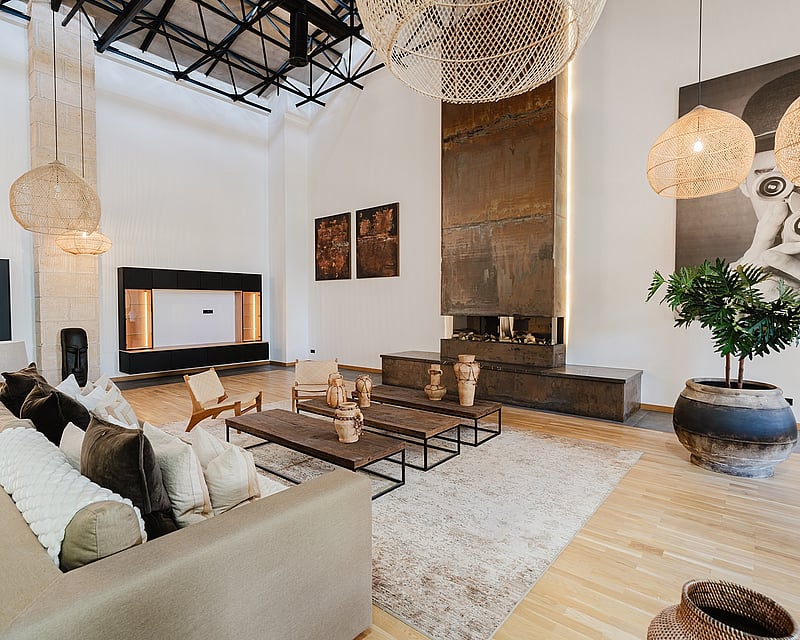
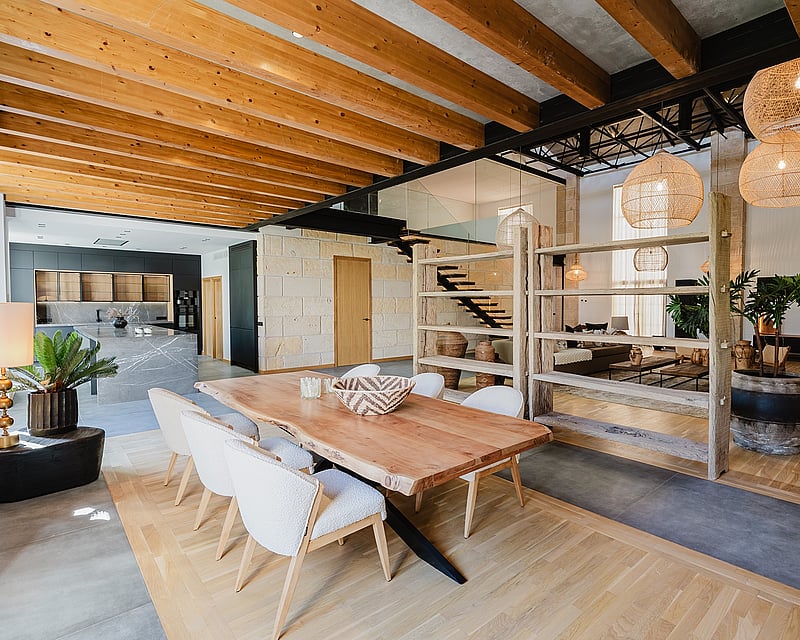
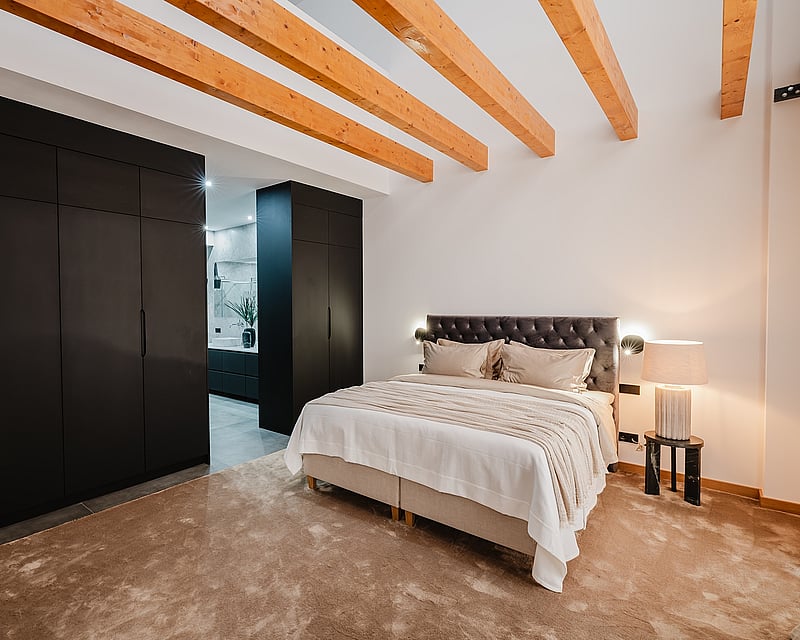
LOFT APARTMENT IN SANTA CATALINA
Built in the early 20th century as a neighbourhood cinema, this building stood empty for decades before being stripped back and reimagined as a residence of rar
3 bedrooms · 3 bathrooms · 323 m²
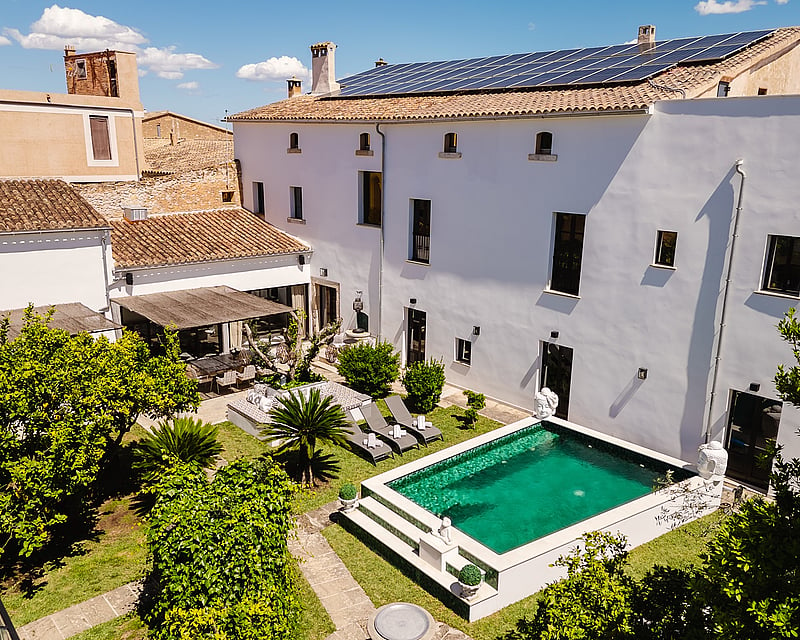
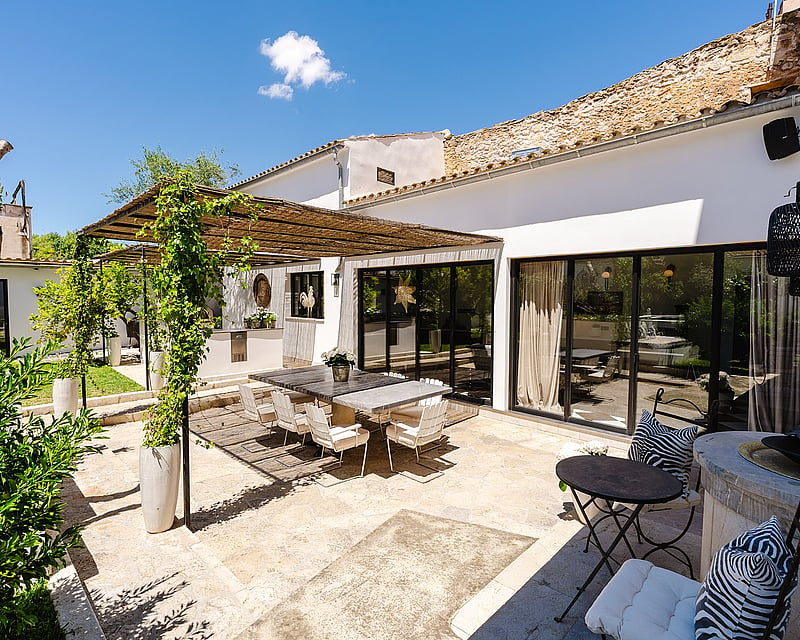
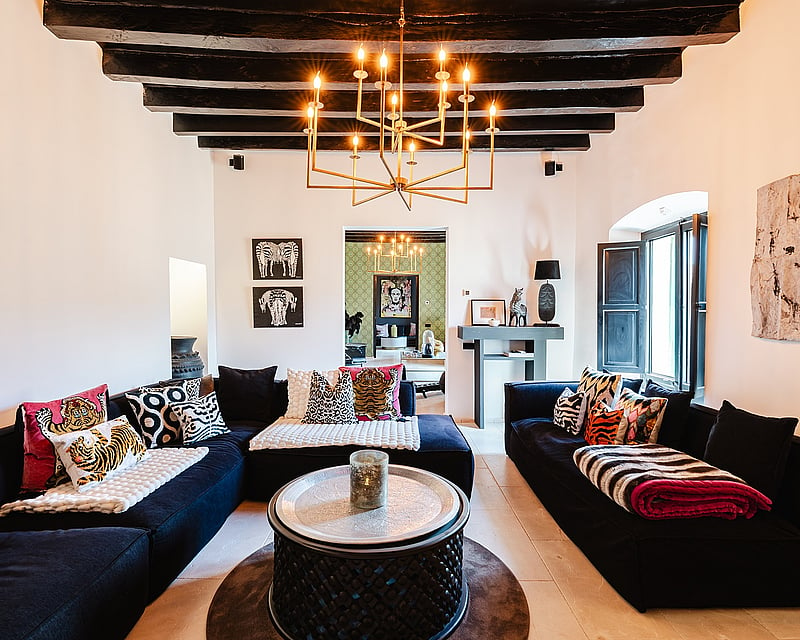
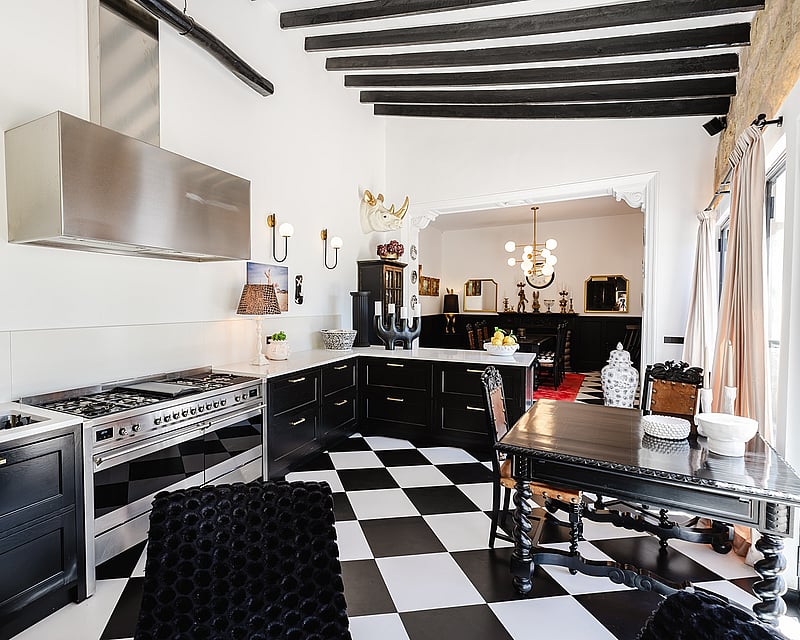
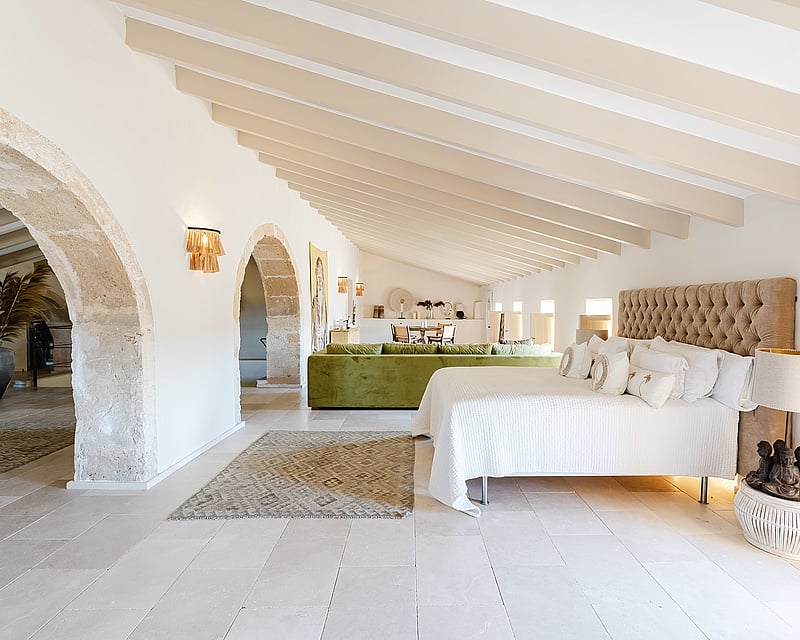
HISTORIC MANSION IN SENCELLES
Originally built in the early twentieth century and set within the old street fabric of Sencelles village, this exceptional estate has been meticulously restore
9 bedrooms · 9 bathrooms · 1243 m² · 1706 m²
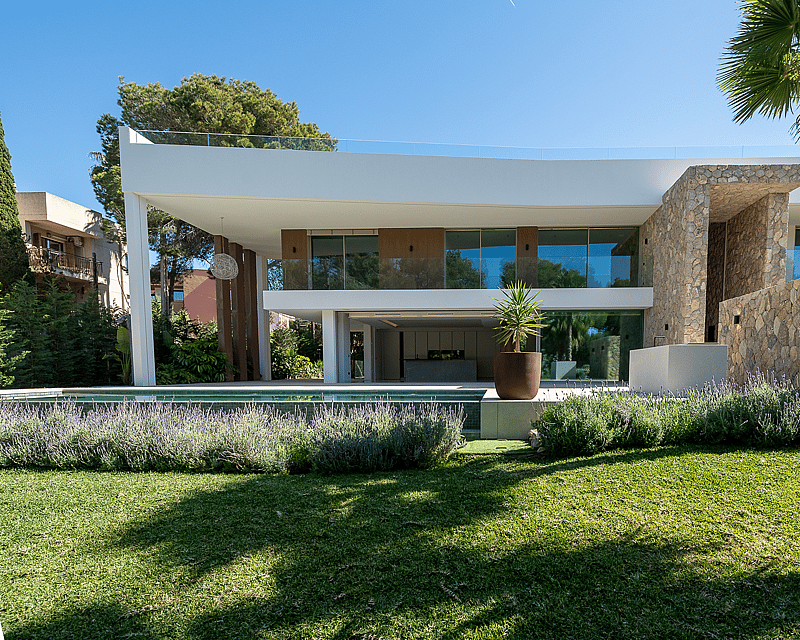
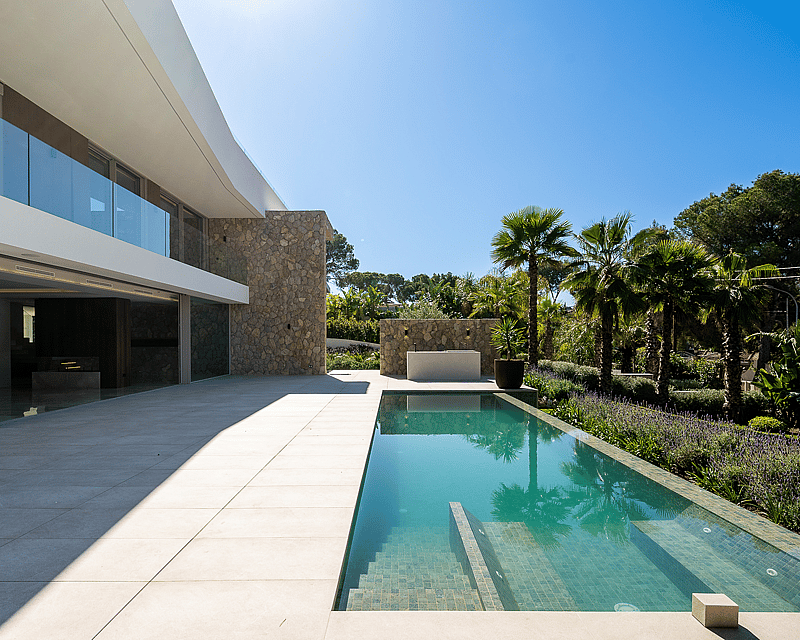
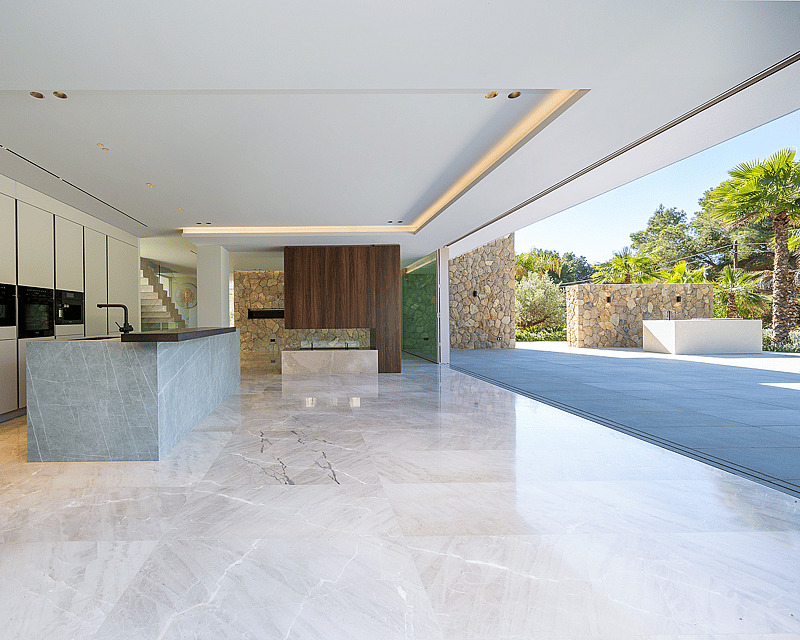
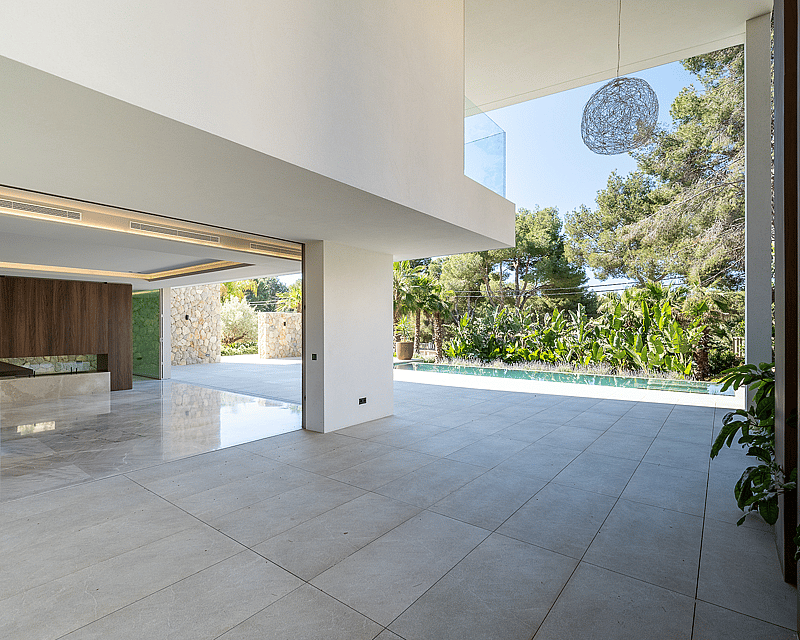
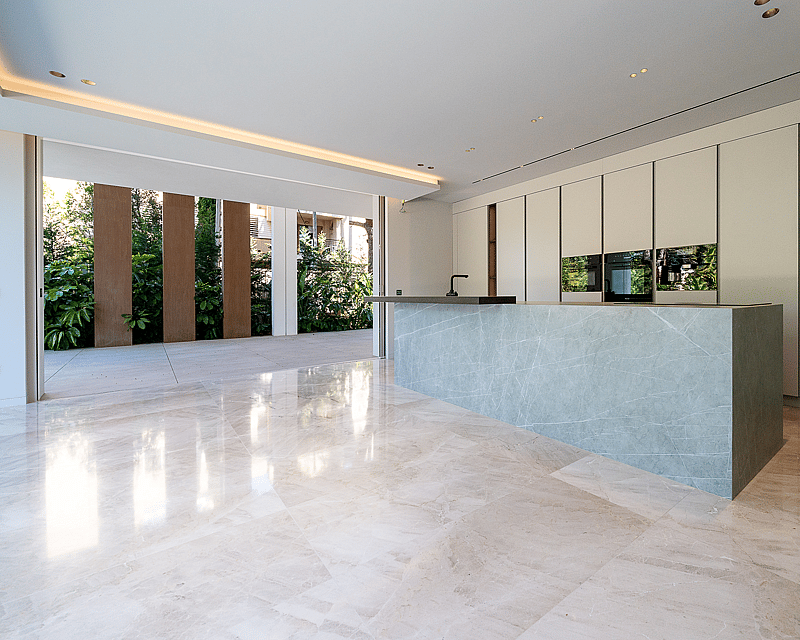
SANTA PONSA VILLA ALEGRA
Villa Alegra is a newly completed residence built in 2025, set on a 1,322 m² plot in one of Santa Ponça's quieter residential streets. The architecture is direc
5 bedrooms · 7 bathrooms · 731 m² · 1322 m²
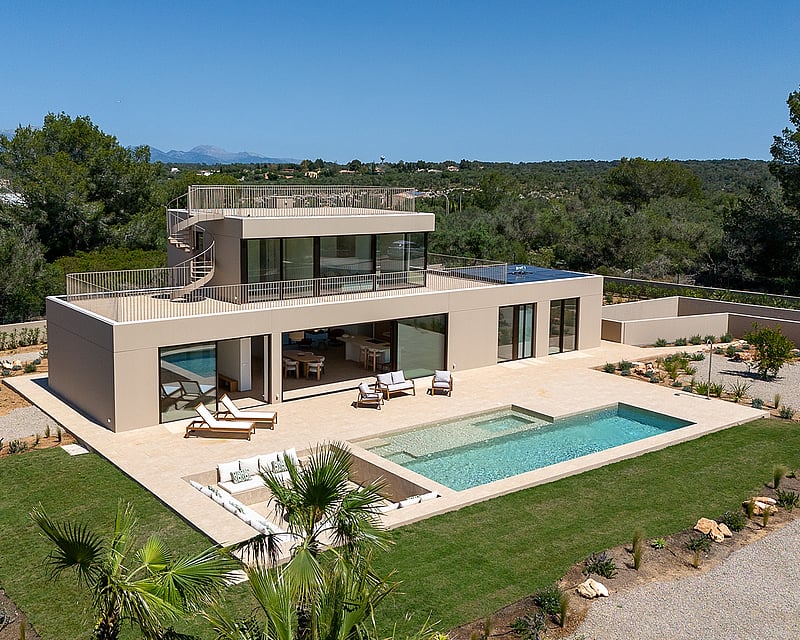
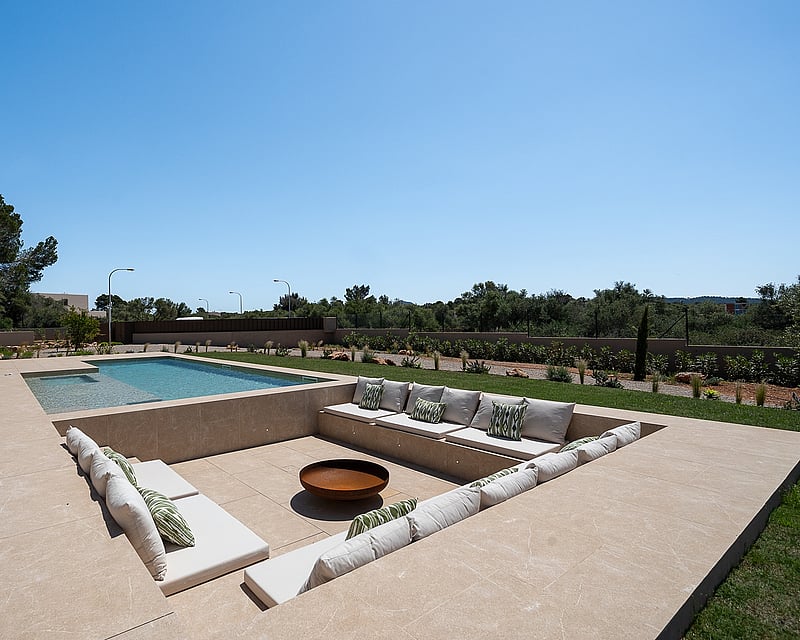
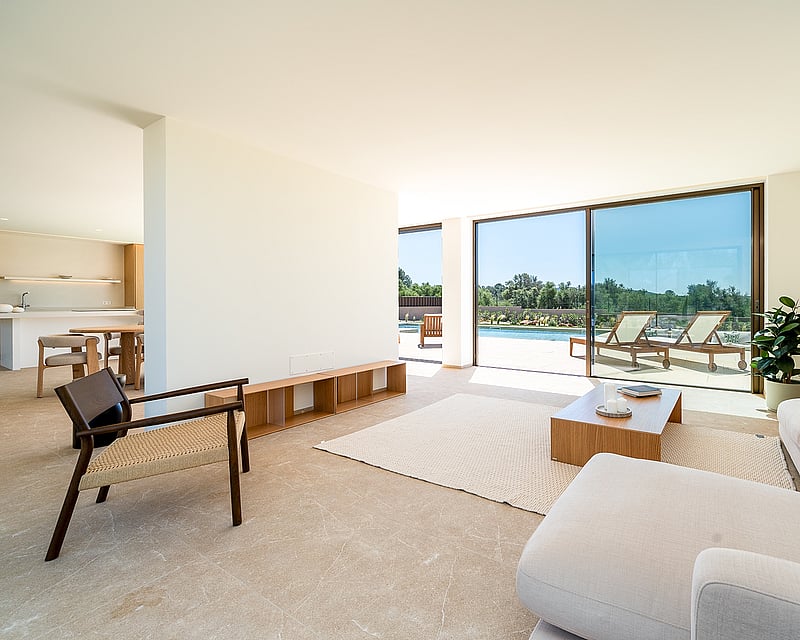
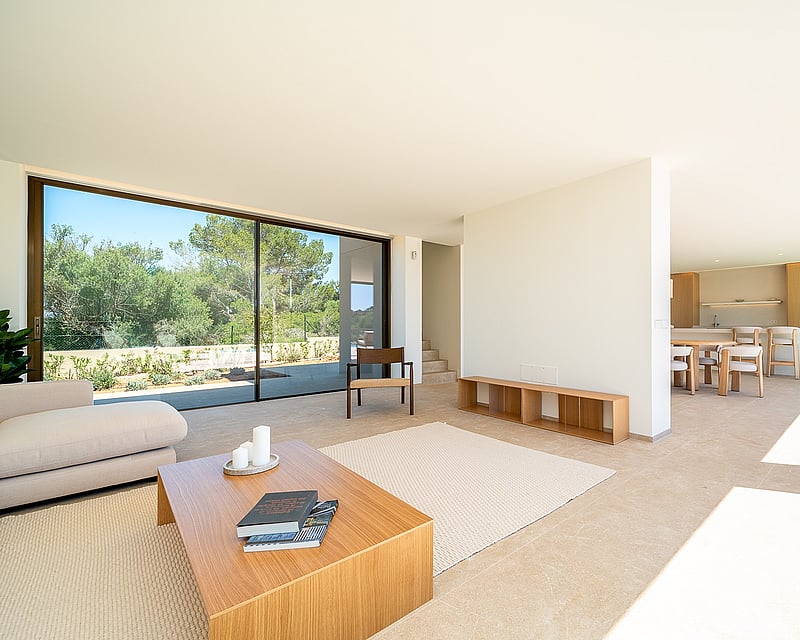
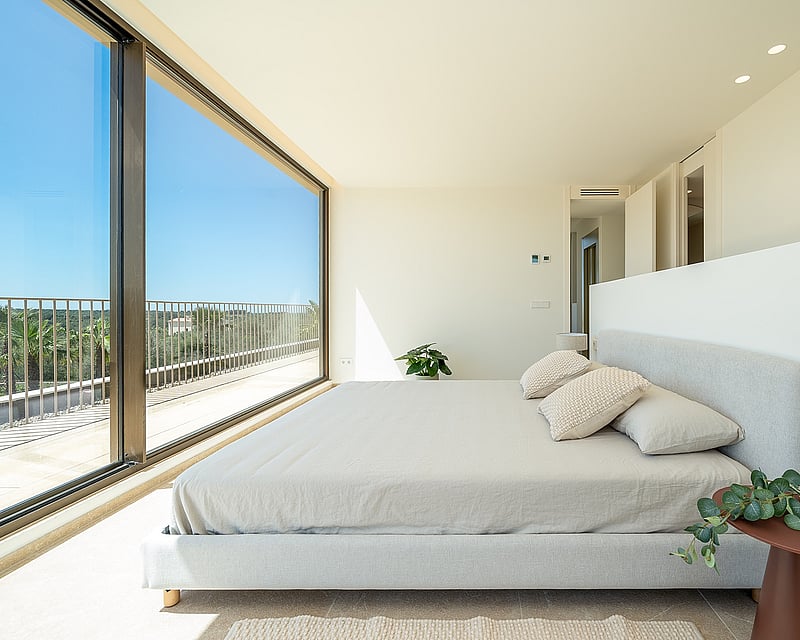
SON GUAL II
Built in 2025 and spread across three well-defined levels, this villa in Son Gual is conceived as a home that works equally well for a family relocating to Mall
4 bedrooms · 3 bathrooms · 403 m² · 2000 m²
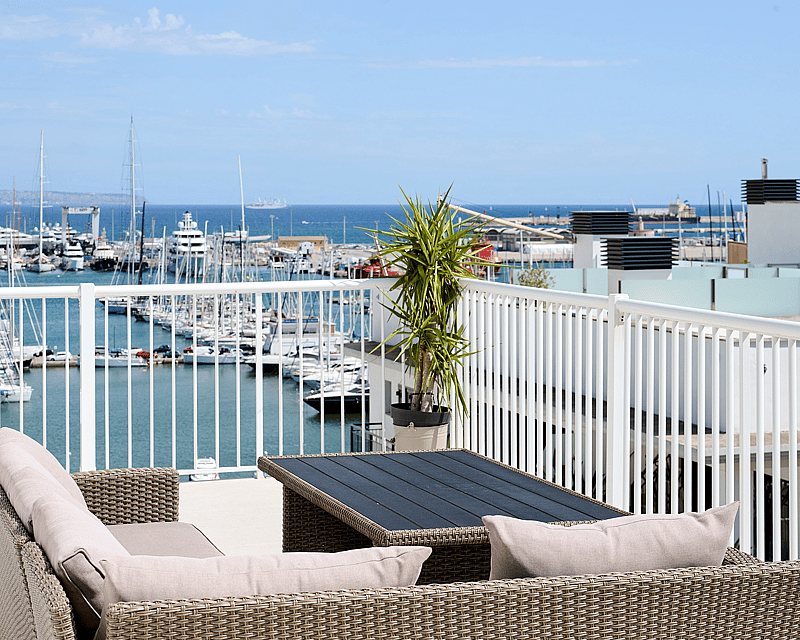
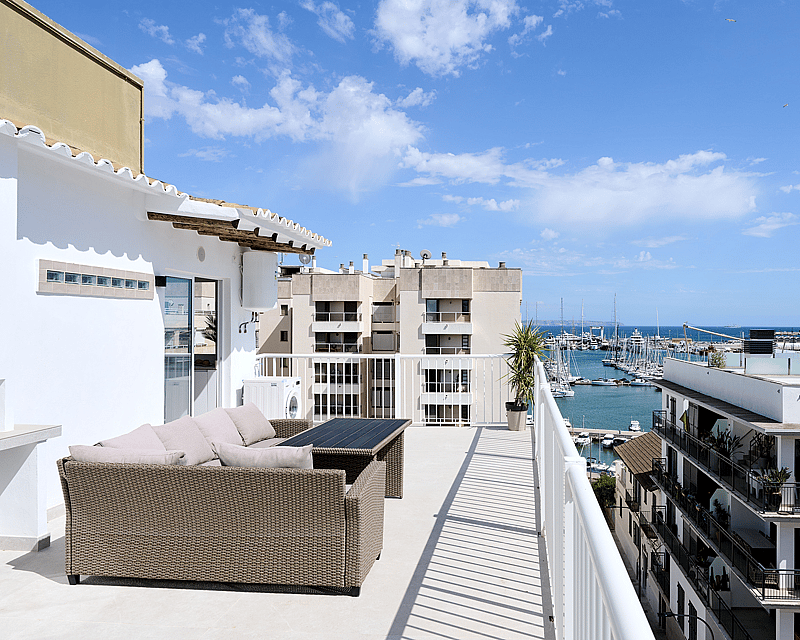
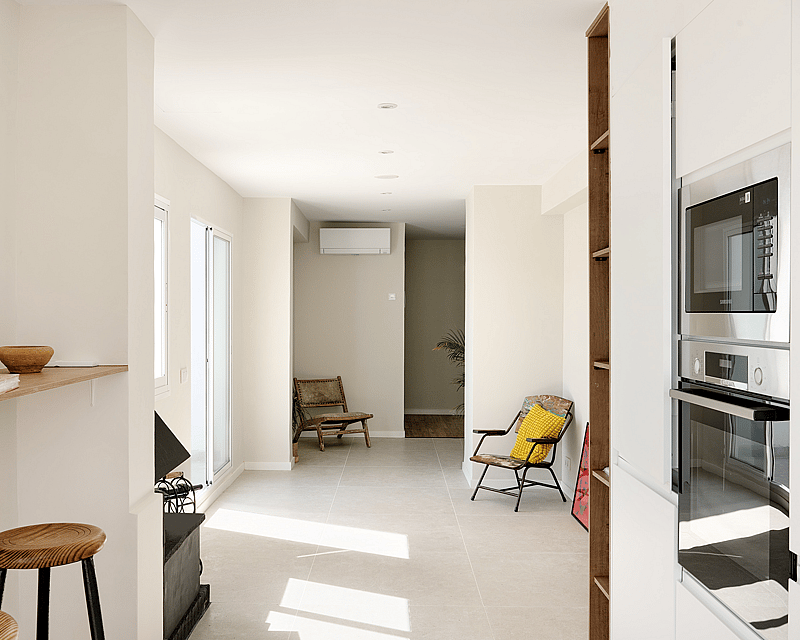
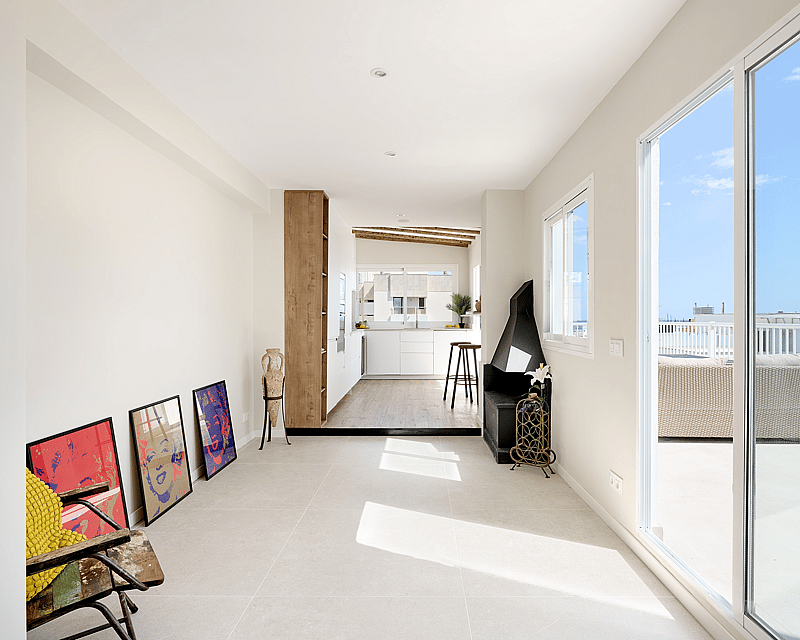
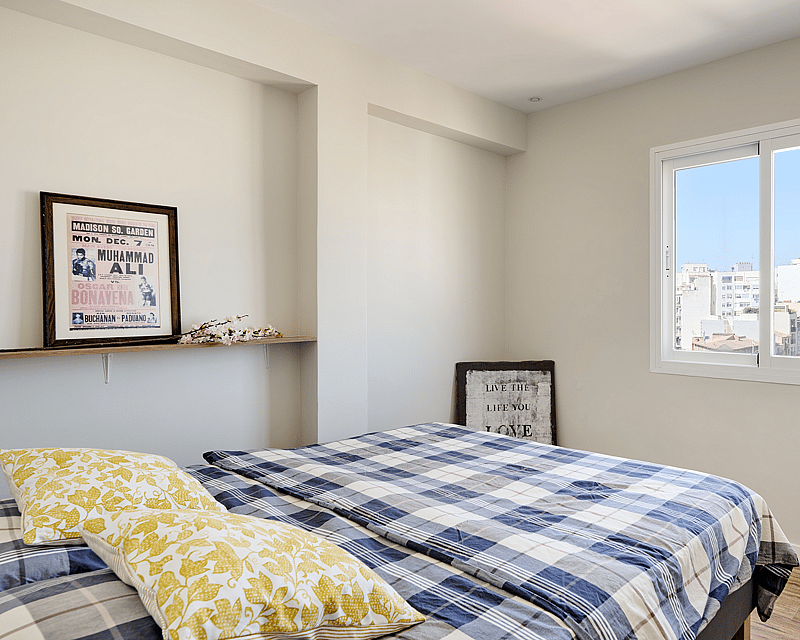
PENTHOUSE SANTA CATALINA
Set on the top floor of a well-maintained building in Santa Catalina, this two-bedroom penthouse was fully refurbished and combines contemporary finishes with a
2 bedrooms · 1 bathrooms · 60 m²
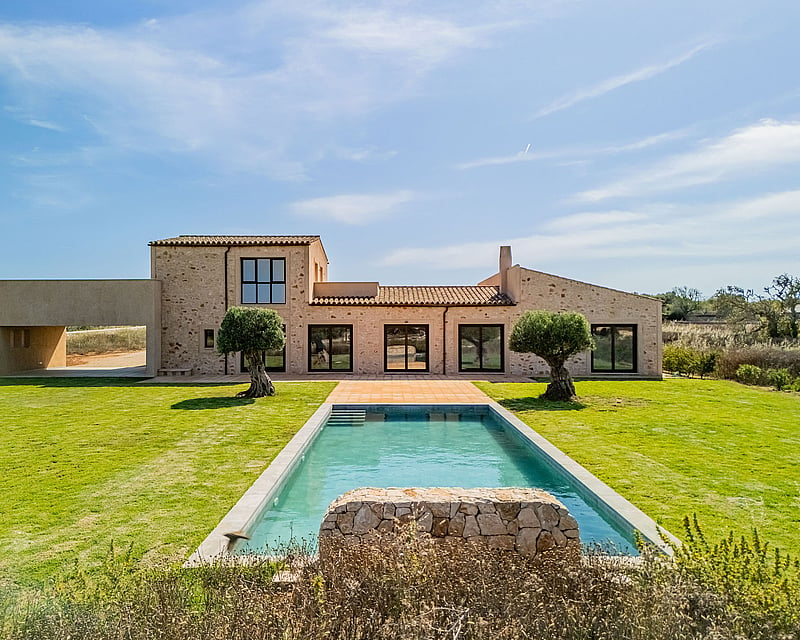
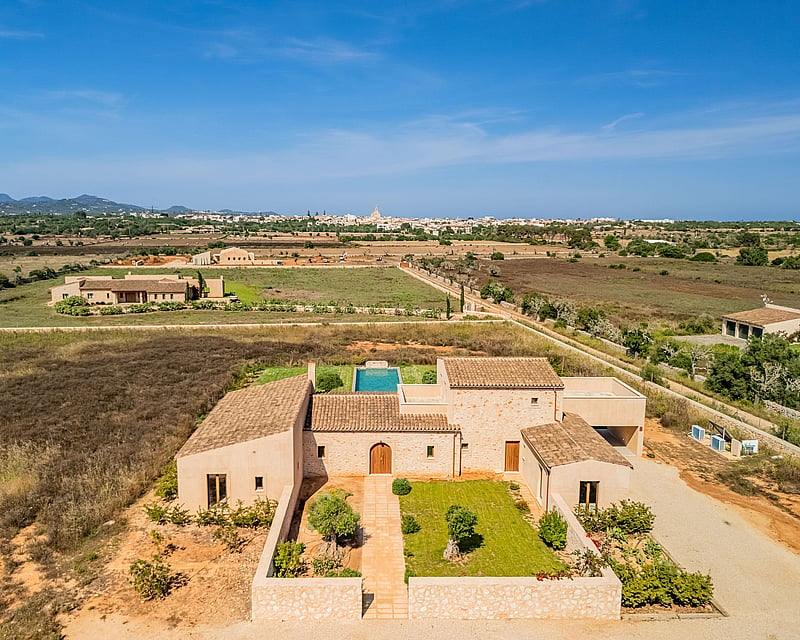
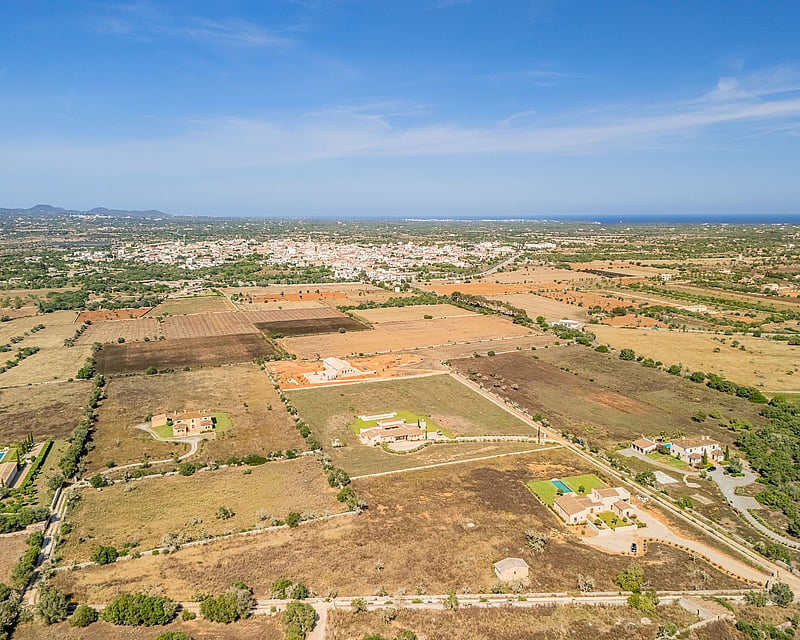
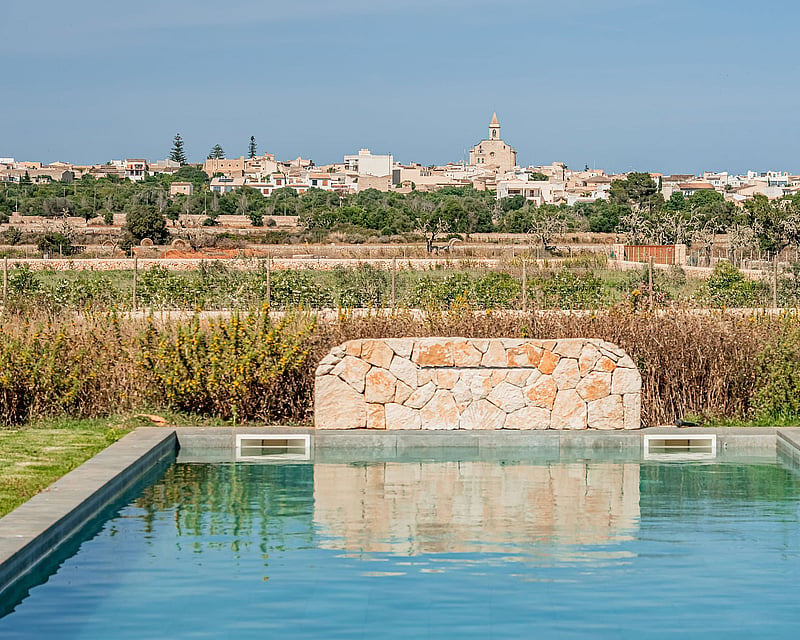
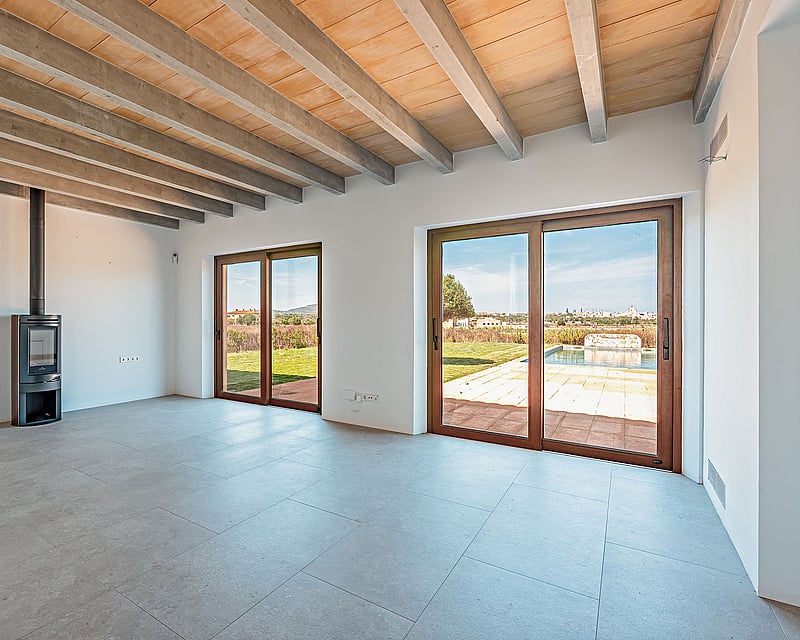
FINCA SANTANYI
Built in 2022 on a plot of just under 18,000 m², this finca strikes a considered balance between traditional Mallorcan construction and a clean, modern interior
5 bedrooms · 5 bathrooms · 336 m² · 17758 m²
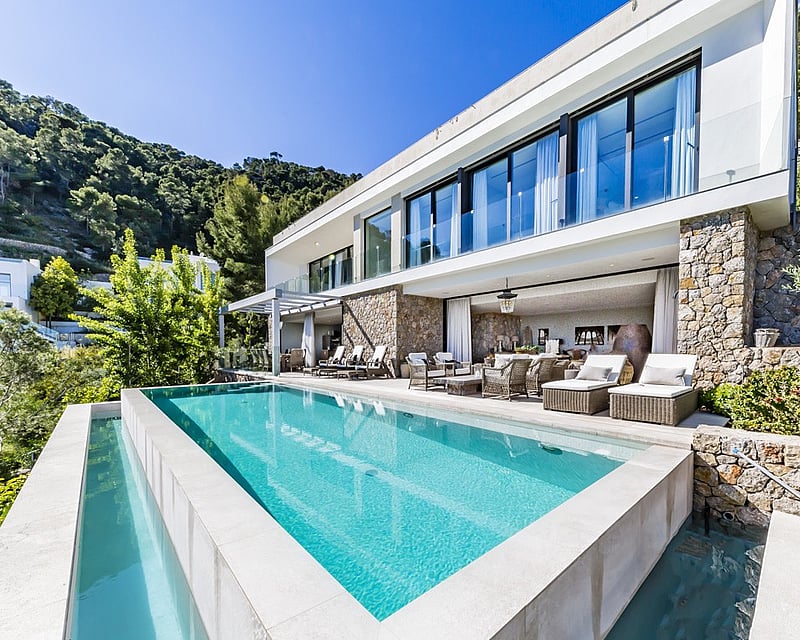
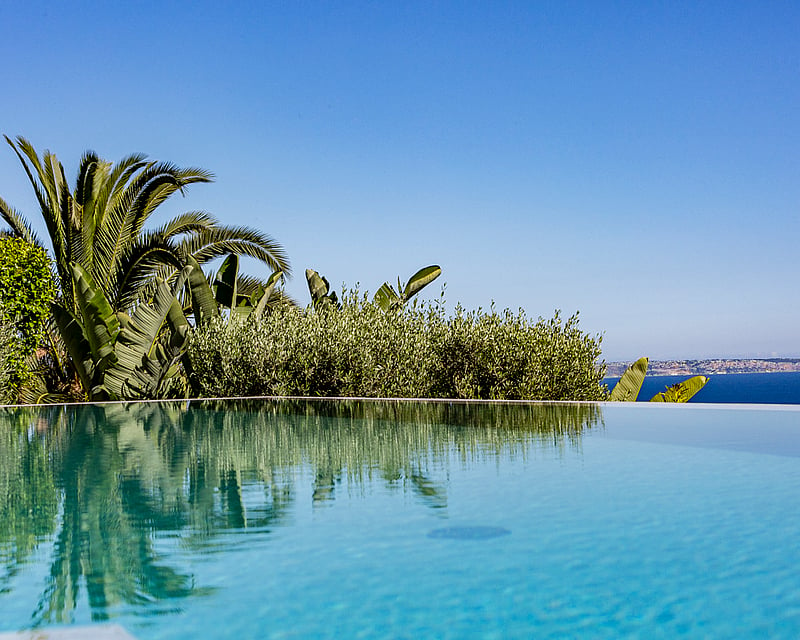
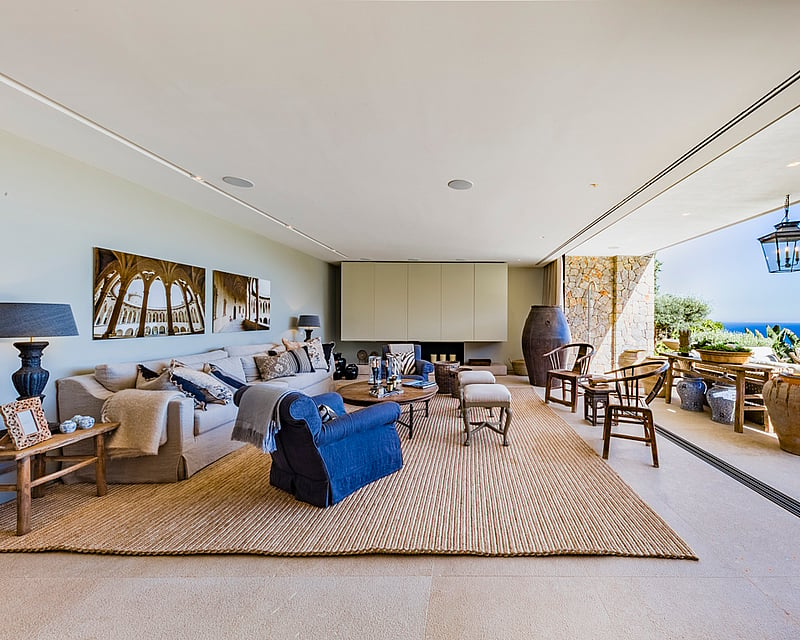
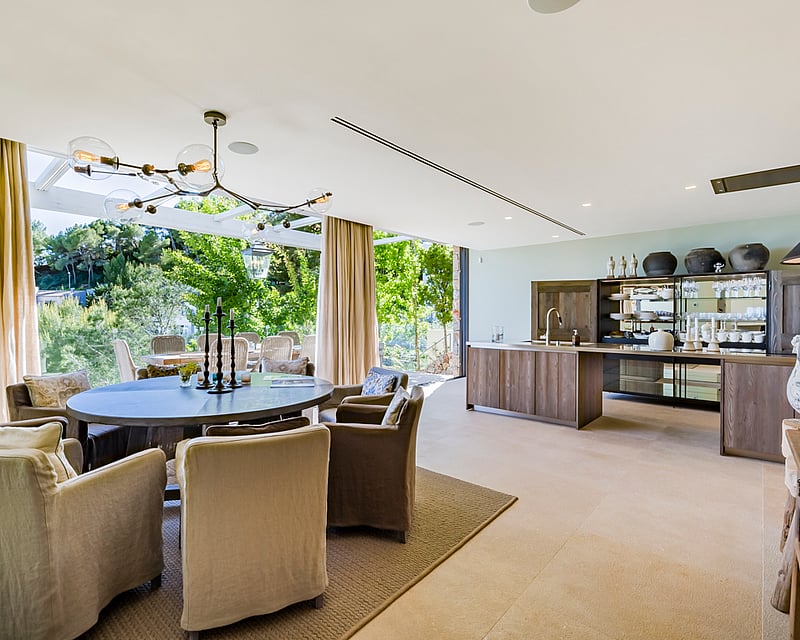
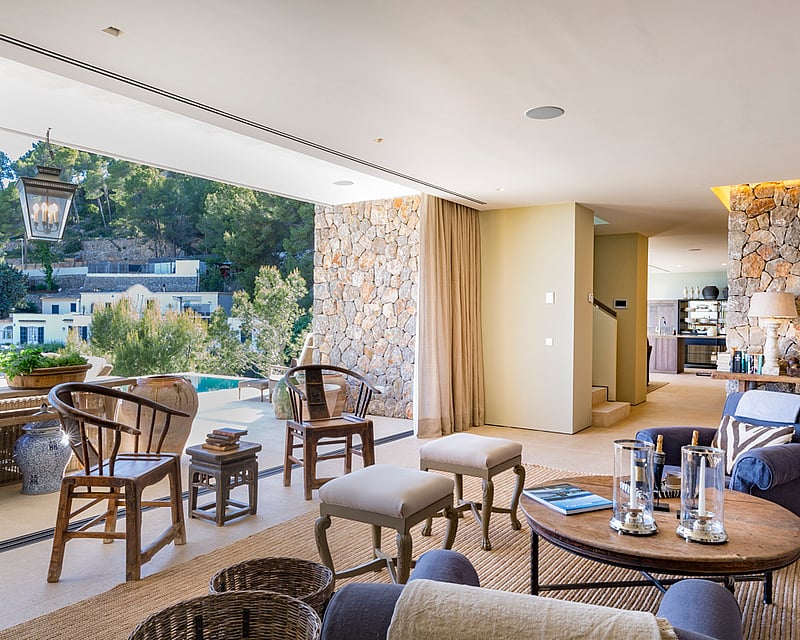
VILLA IN GENOVA
Built in 2016 on a south-west facing hillside plot of 1,141 m², this five-bedroom villa sits within a terraced garden of palm and olive trees and opens directly
5 bedrooms · 4 bathrooms · 425 m² · 1141 m²
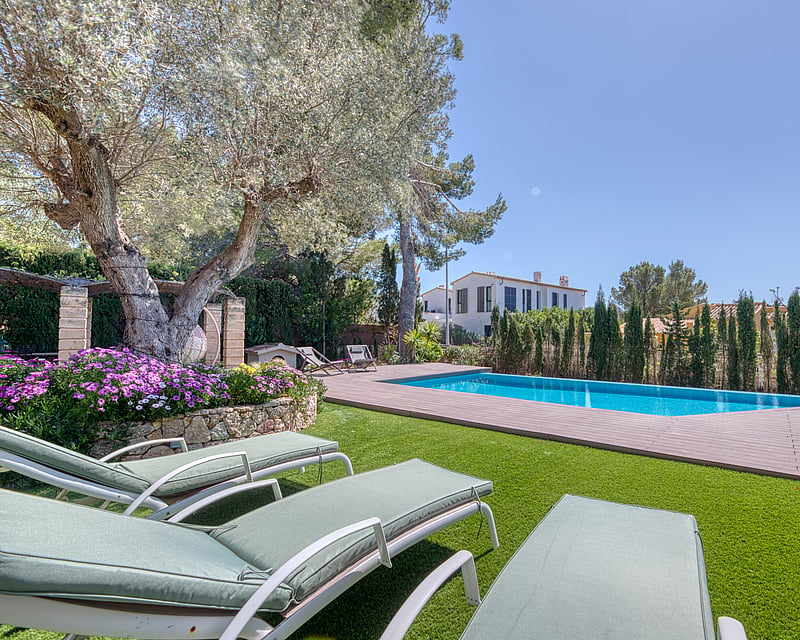
VILLA NOVA SANTA PONSA
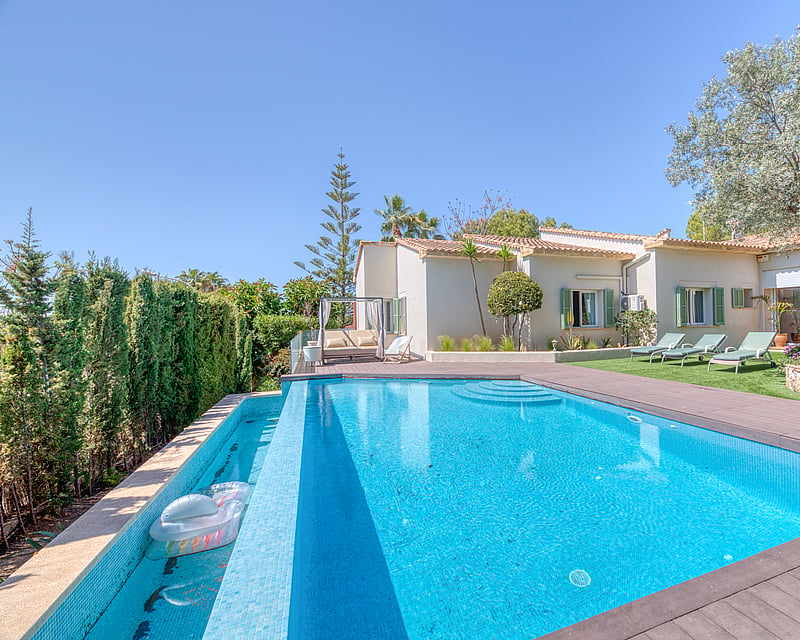
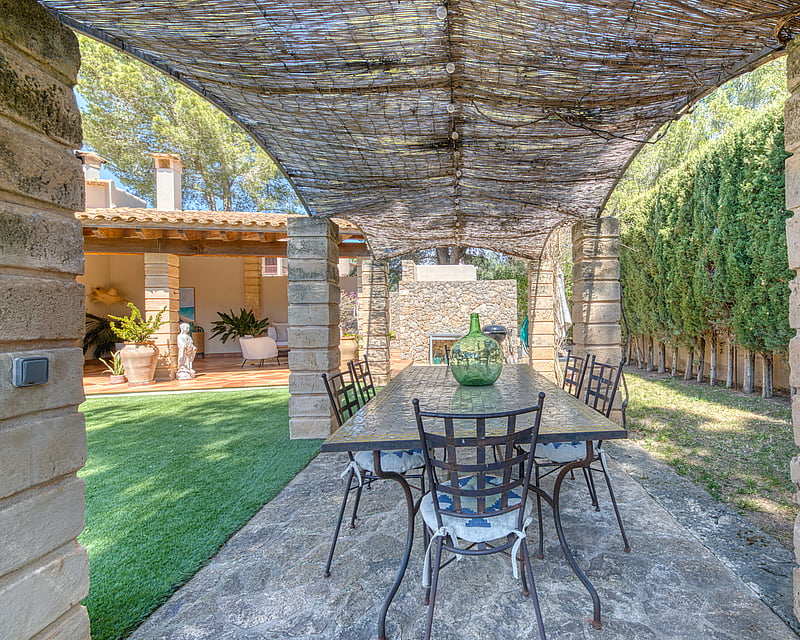
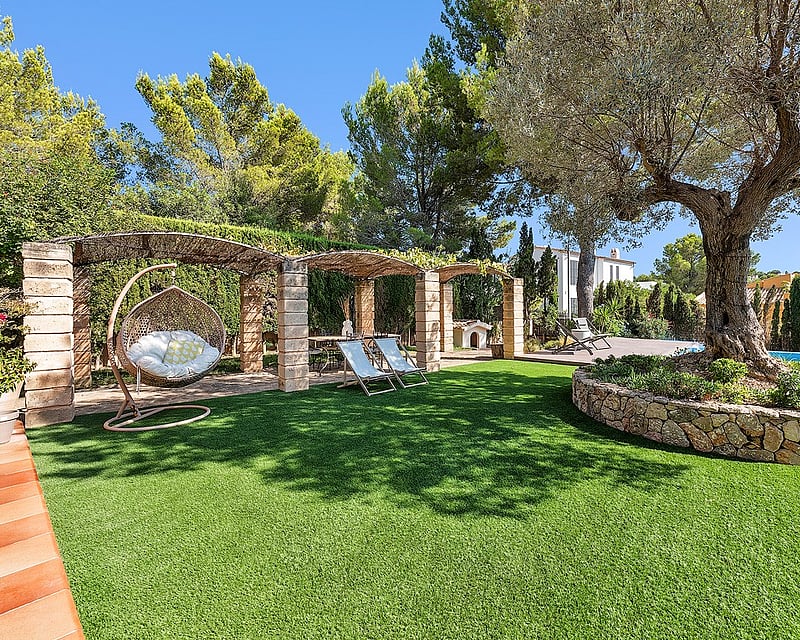
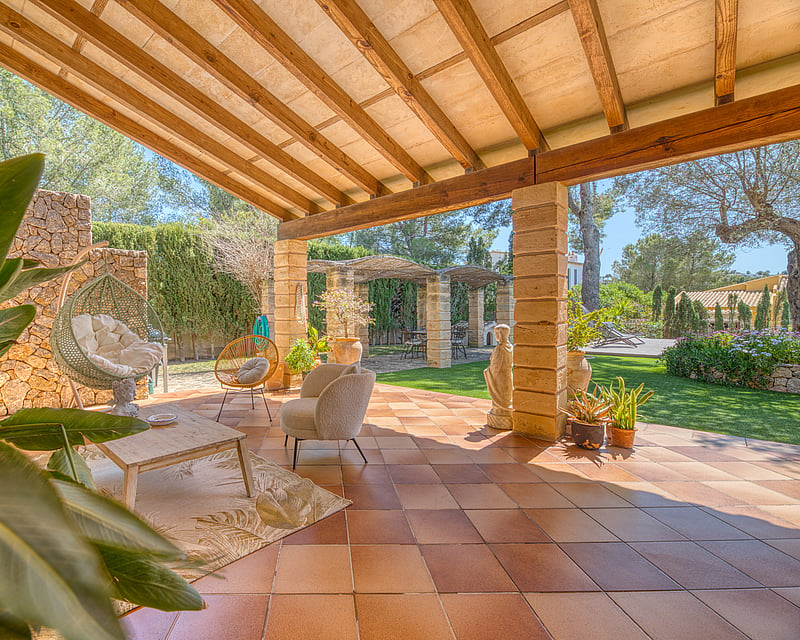
Built in 1996 and maintained in very good condition, this four-bedroom single-storey villa sits on a 1,400 m² plot enclosed by mature pine and olive trees, offe
4 bedrooms · 5 bathrooms · 410 m² · 1400 m²
Explore Mallorca's most coveted areas
Buying property in Mallorca raises questions no sales brochure answers. How does the NIE number work? What does the Balearics' banded transfer tax mean for my budget? Which municipality permits holiday letting, and which does not? And how do you recognise a finca with a clean planning file? Our guides gather the answers — written from day-to-day buying work, not researched from a distance.
The topics fall into four strands. First, the purchase process itself: from the search brief through the arras contract to the notary appointment, including the cost blocks you should realistically budget for. Second, law and tax: NIE, residency, the 183-day rule, recurring charges such as IBI and wealth tax. Third, life on the island: schools, healthcare, the annual rhythm from almond blossom to high season. Fourth, the property as an object: architecture, building fabric, renovation and fit-out — from the winter-heating question to legalising a pool.
Every article follows the same rule as our curated portfolio from €800K: fewer pieces, properly checked. Where blanket statements would not be honest — taxes, say, which depend on your personal situation — we say so and point you to a specialist adviser, to whom we are glad to make the introduction.
In our experience, most readers begin with three pieces. The first is the guide to relocating to Mallorca — the broad overview of sequence, authorities, taxes and a realistic timeline from decision to moving in. The second is the short explainer on the NIE number, because without it neither the purchase nor a bank account works, and with a little preparation the application takes days rather than weeks. The third covers purchase costs in the Balearics: transfer tax, notary, registry and lawyer, together roughly 10 to 13 per cent of the purchase price.
Then come the lifestyle topics, which often shape a buying decision more than any number: architecture between Mallorcan tradition and contemporary new builds, life through the island's year, the right location for families with school-age children. If a topic is missing, write to us — the best guide articles so far have grown out of specific client questions.
How does a property purchase in Mallorca work in principle?
In five steps: NIE number and a Spanish bank account; property selection and negotiation; legal review by your lawyer; the arras contract with a deposit of usually 10 per cent; then the notary appointment with the balance paid and keys handed over. From agreement to notary usually takes four to eight weeks — longer for fincas with a complex planning file.
What purchase costs and taxes should I expect?
On purchase, roughly 10 to 13 per cent: the banded Balearic transfer tax (for new builds, 10 per cent IVA plus stamp duty instead), notary, land registry and legal fees. Recurring charges include the IBI property tax, refuse fees and, where applicable, wealth tax; rental income is taxable. The exact arithmetic depends on value, use and your tax residency.
May I let my Mallorca property to holiday guests?
Only with an ETV licence — and that is the bottleneck: new licences are issued restrictively, and in Palma's multi-family buildings holiday letting is not permitted at all. Properties with an existing licence therefore command a visible premium. Long-term letting, by contrast, is possible everywhere. Settle the letting question before you buy, not after — it determines which properties qualify.
Do the guides replace personal advice?
No — they prepare for it. The articles give you the framework: process, cost blocks, typical pitfalls. What they cannot do is assess your situation: budget structure, tax questions, the right location for your daily life. That is what the first conversation and our network of specialist lawyers and tax advisers are for — the guides simply make those conversations faster and better.