Spain Golden Visa for Property Investors · Mallorca Focus Guide 2026
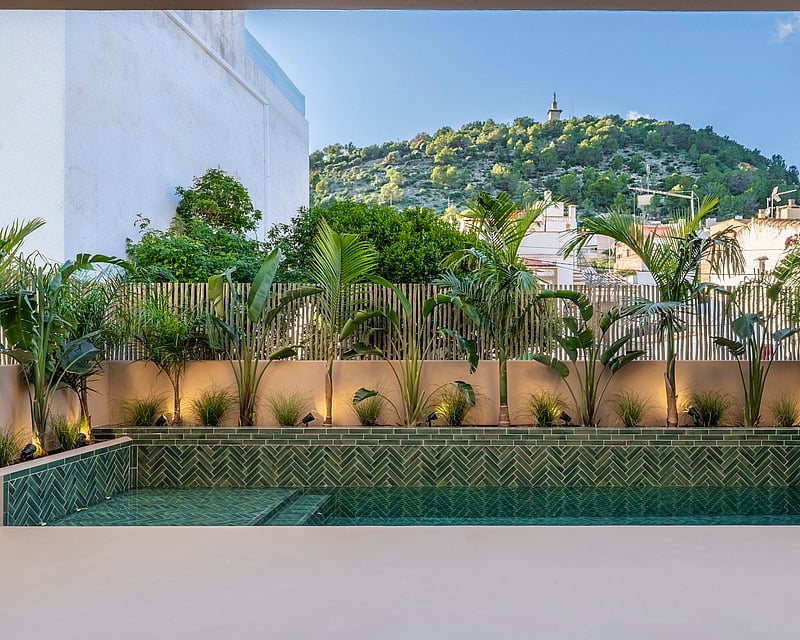
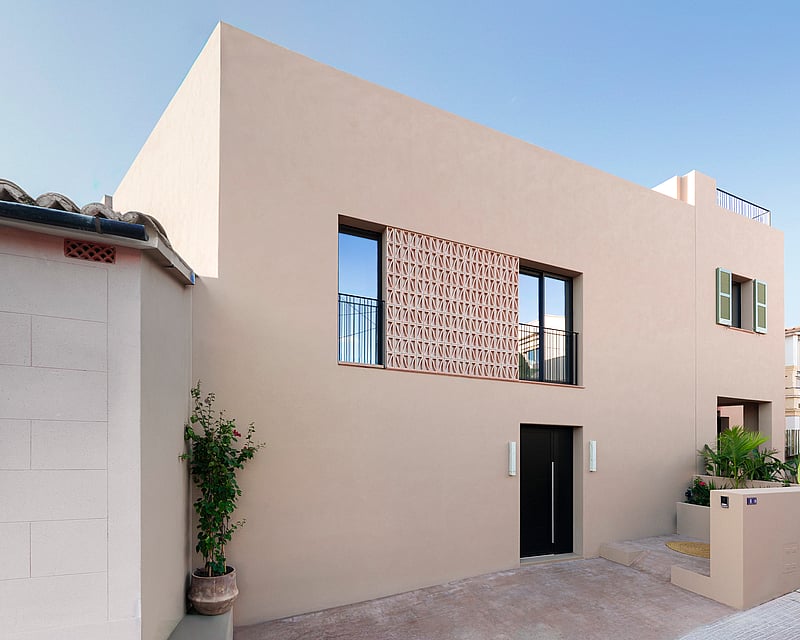
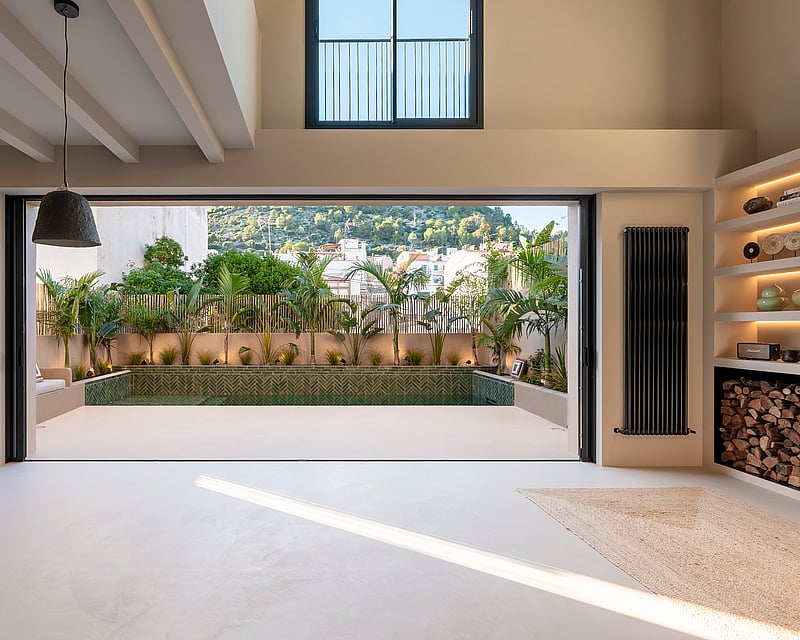
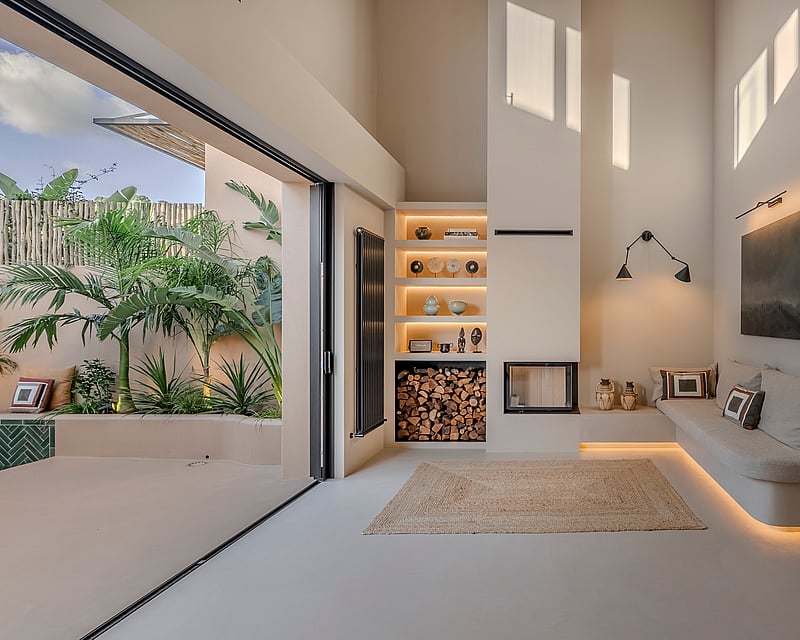
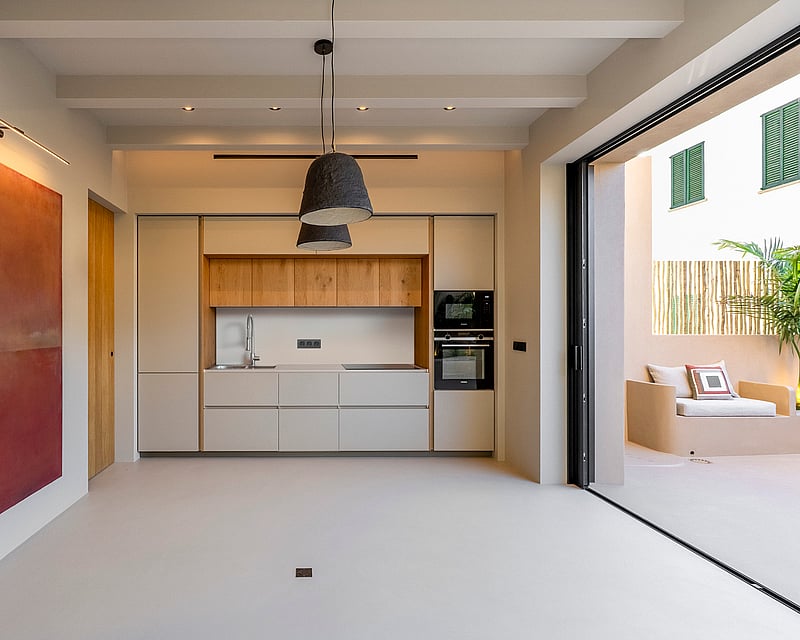
TOWNHOUSE GENOVA
This newly built townhouse is turnkey and ready to move into, built around a double-height living space set to the full width of the pool, so the water reads al
2 bedrooms · 3 bathrooms · 190 m² · 295 m²
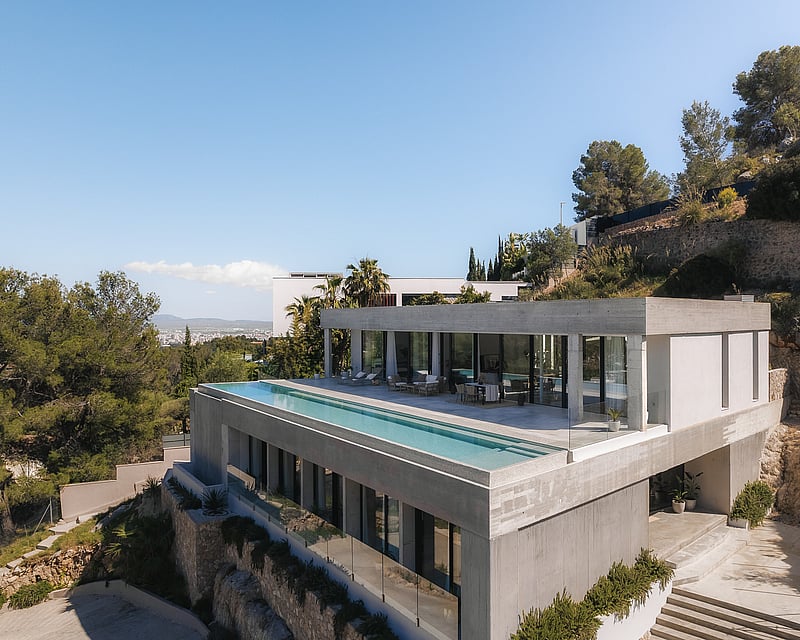
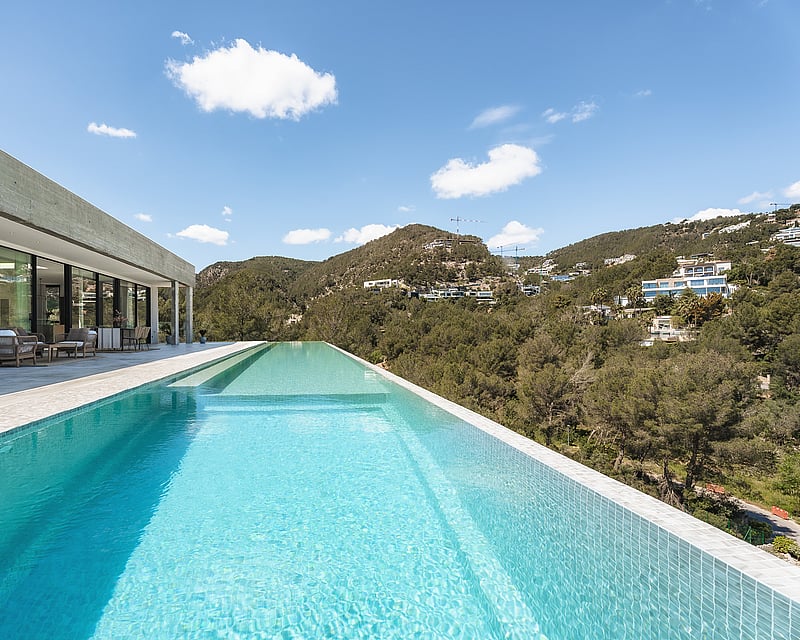
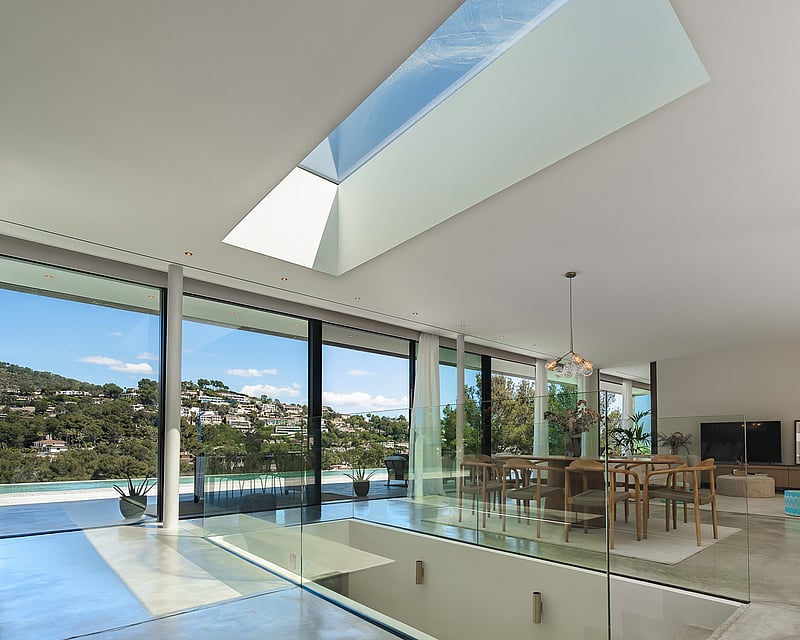
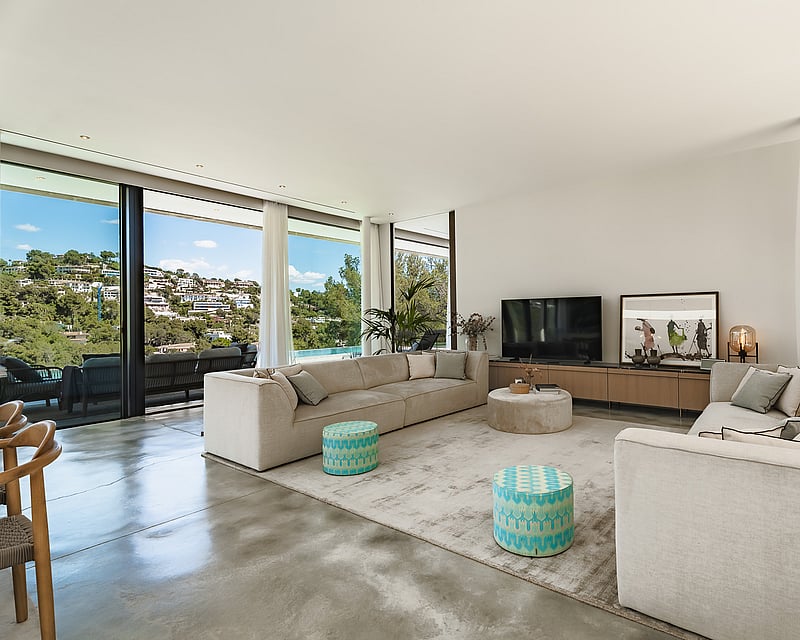
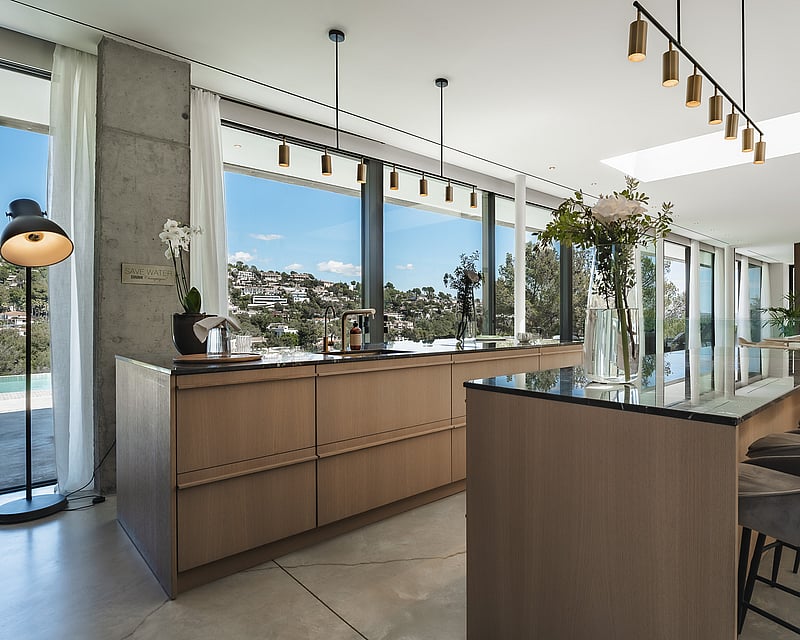
SON VIDA VILLA AGLAYA
Villa Aglaya is an architectural statement in exposed concrete, glass and Mediterranean natural stone, set within the elevated terrain of one of Mallorca's most
4 bedrooms · 3 bathrooms · 455 m² · 2635 m²
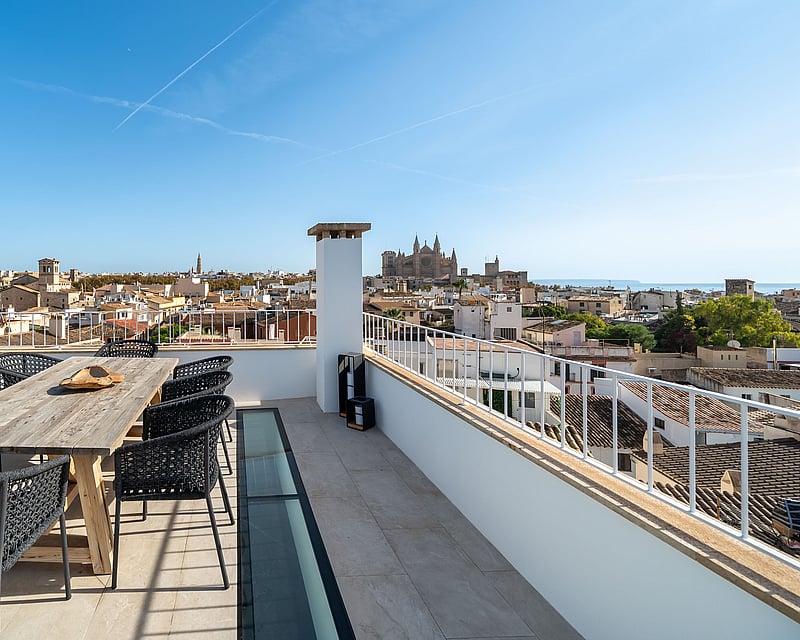
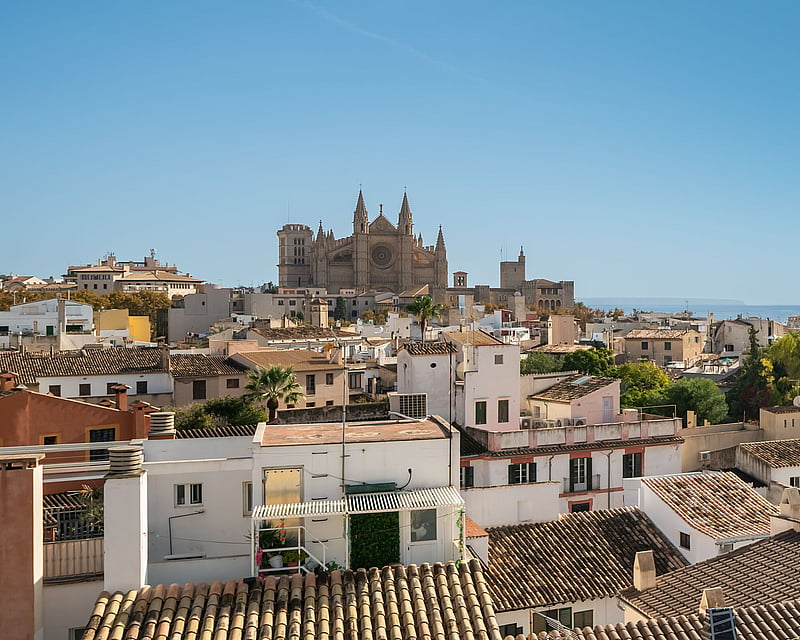
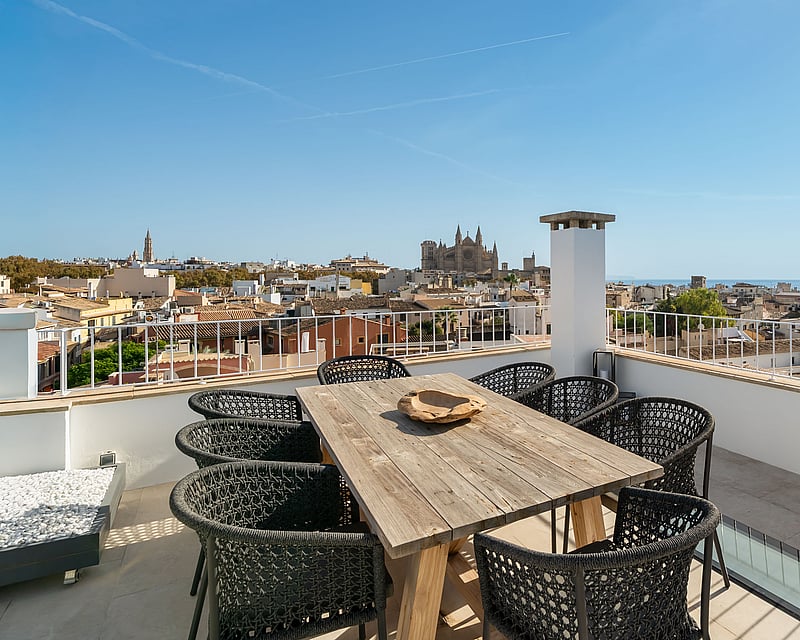
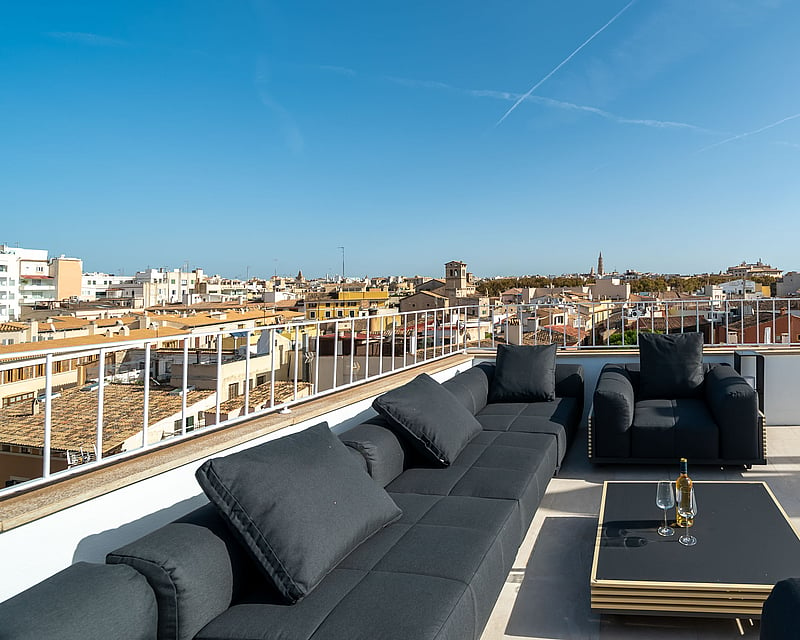
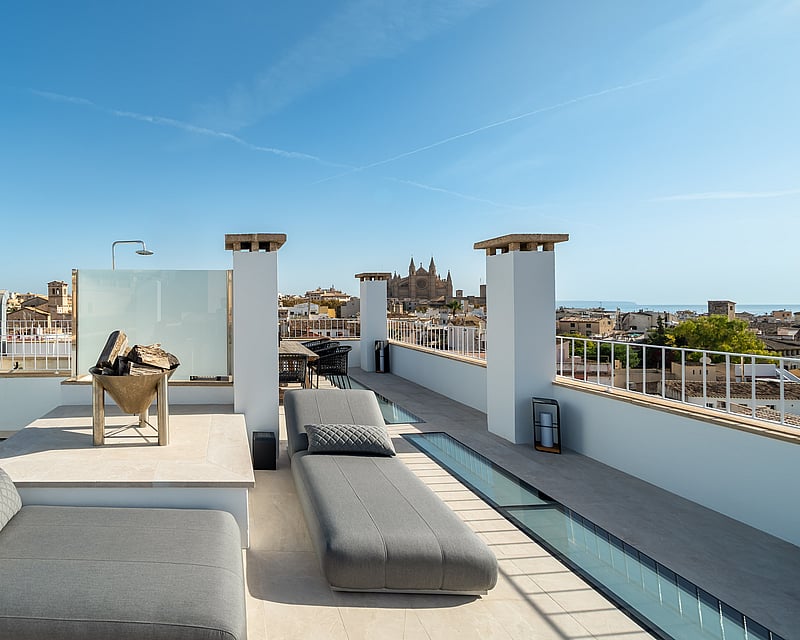
PENTHOUSE IN PALMA OLD TOWN
Set on a quiet street in the La Llotja quarter of Palma's Old Town, this duplex penthouse occupies the upper levels of a building dating to the early eighteenth
2 bedrooms · 2 bathrooms · 145 m² · 226 m²
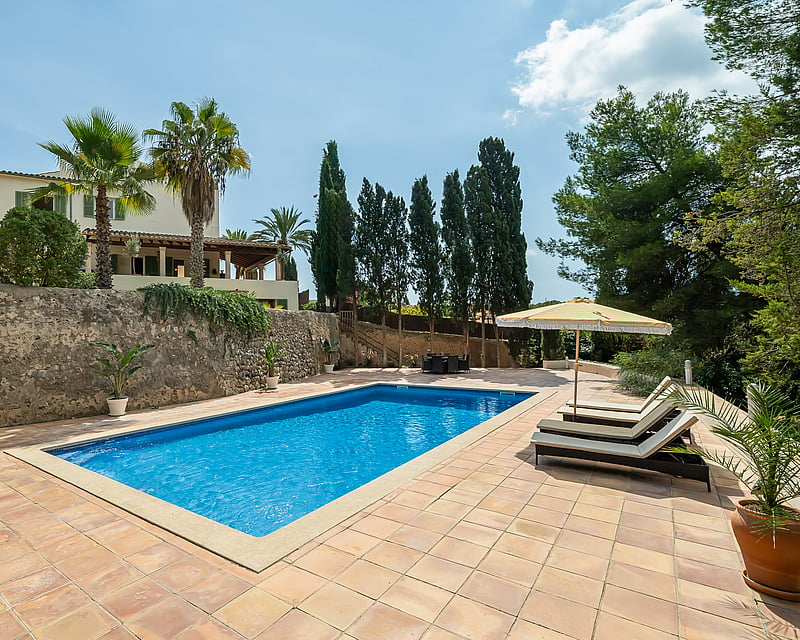

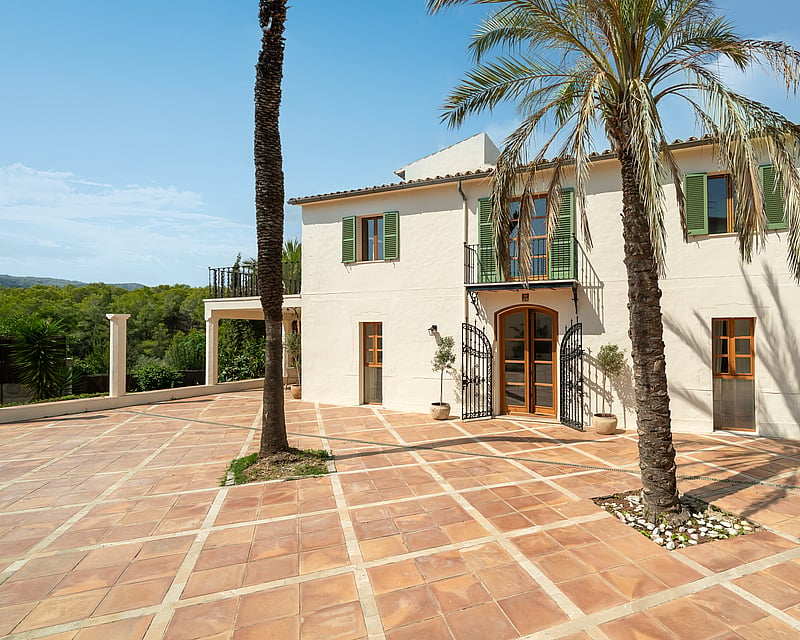

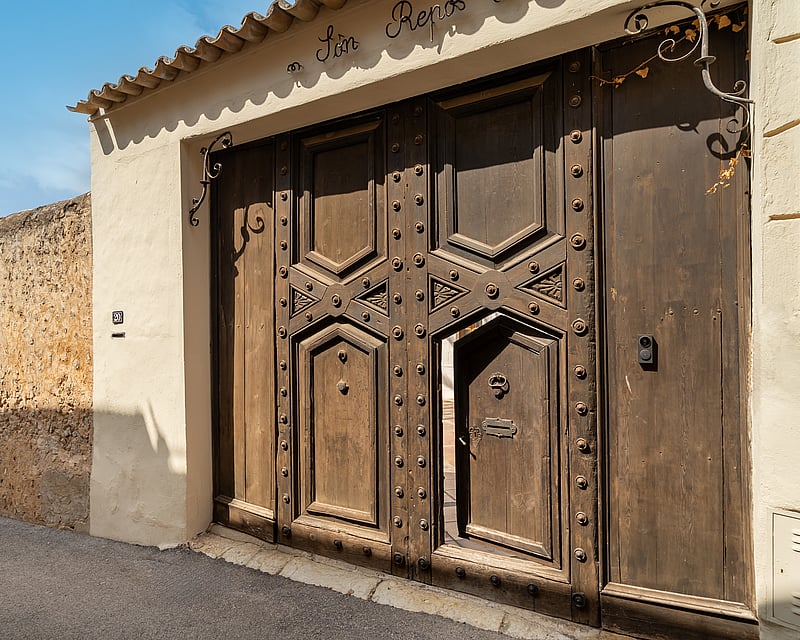
CASA SON REPOS
Built in 1912 and reinvented in 2024, Casa Son Repos is one of those rare Palma properties where age is an asset, not an apology. The bones are authentically Ma
8 bedrooms · 7 bathrooms · 701 m² · 2150 m²
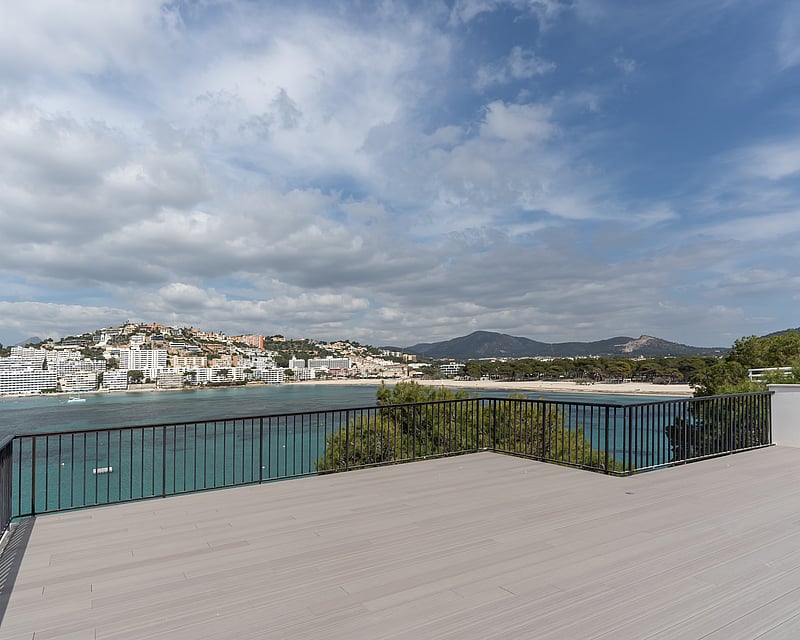
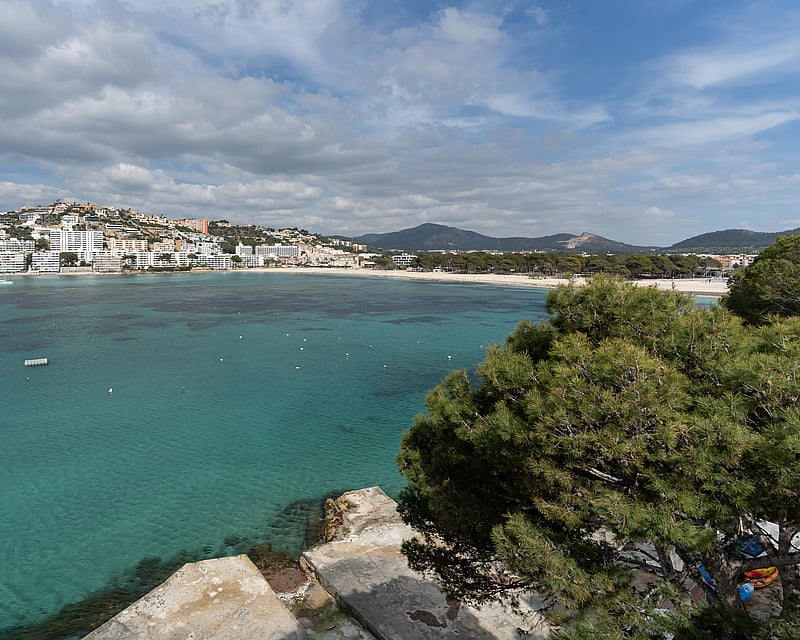
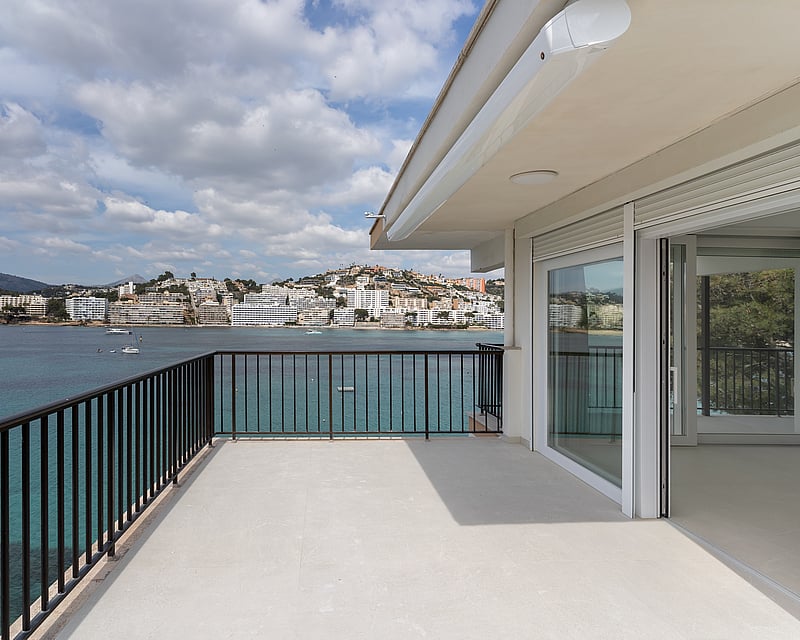
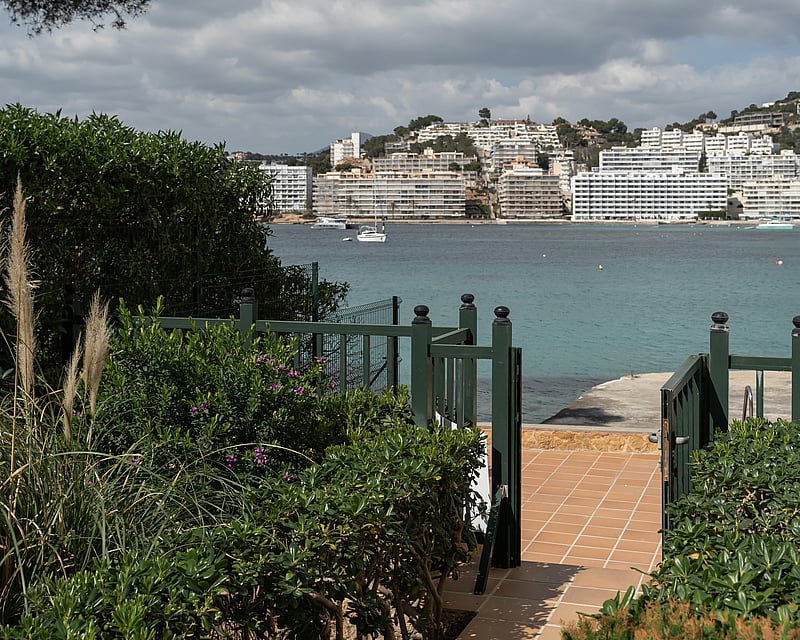
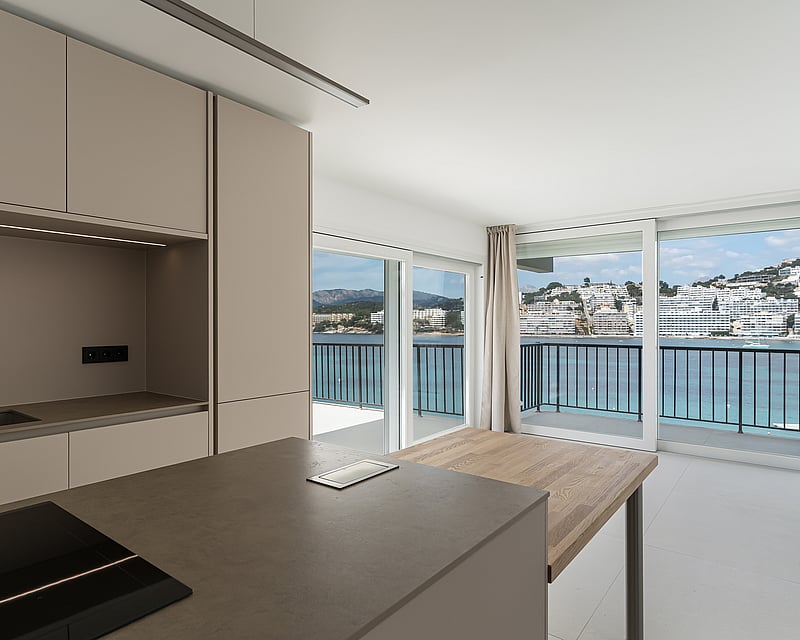
FRONTLINE PENTHOUSE IN SANTA PONSA
Set on the frontline of Santa Ponsa's southern bay, this fifth-floor penthouse has been taken back to the structure and fully renovated for completion in 2026,
2 bedrooms · 2 bathrooms · 80 m² · 213 m²
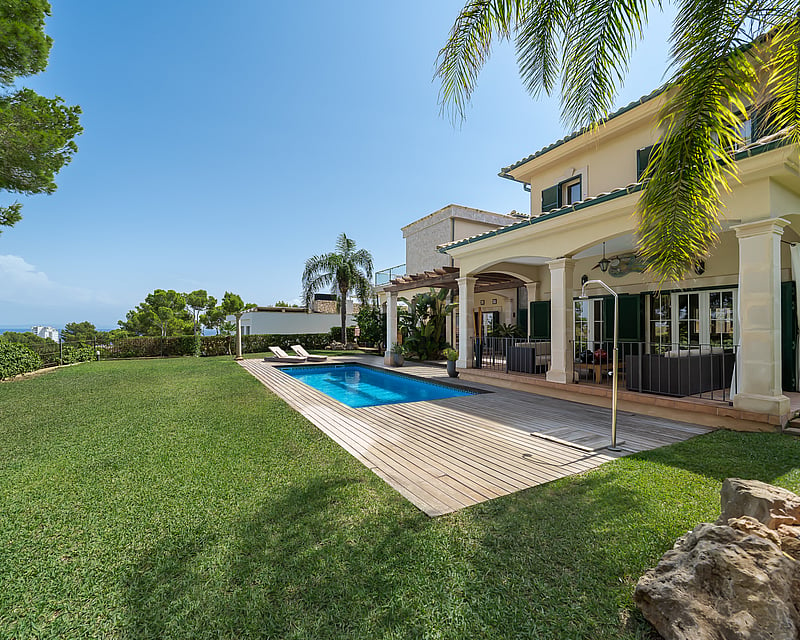
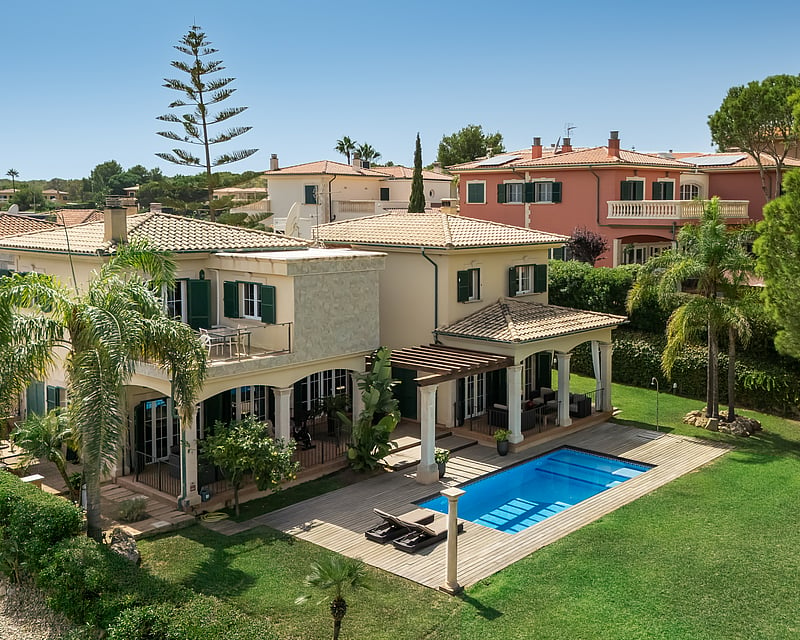
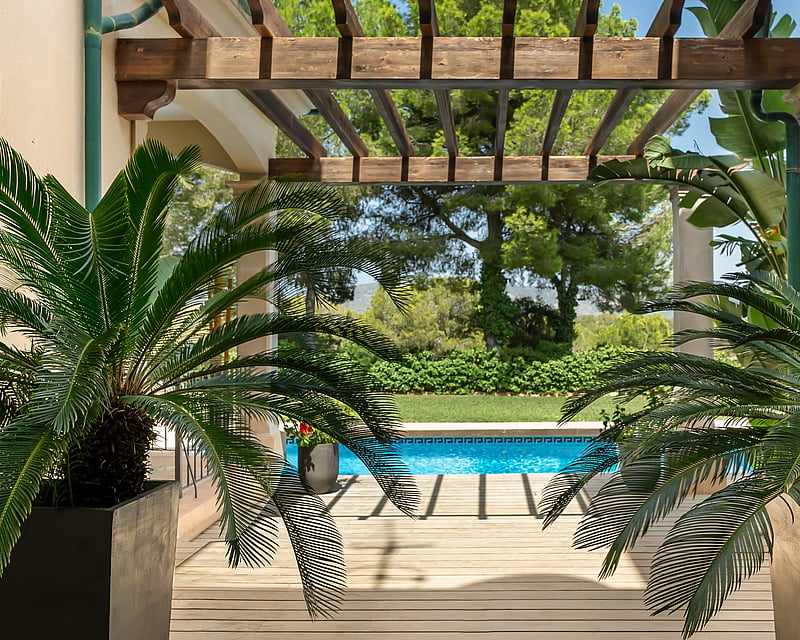
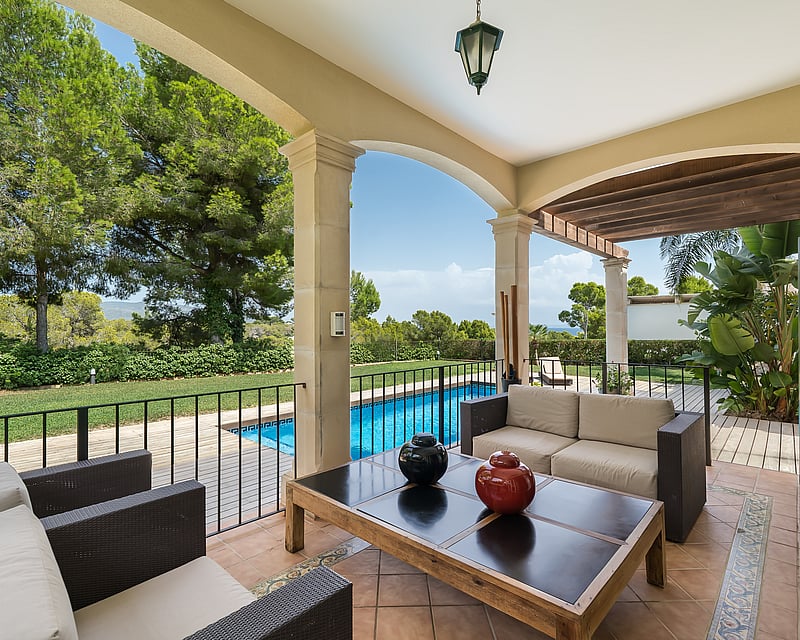
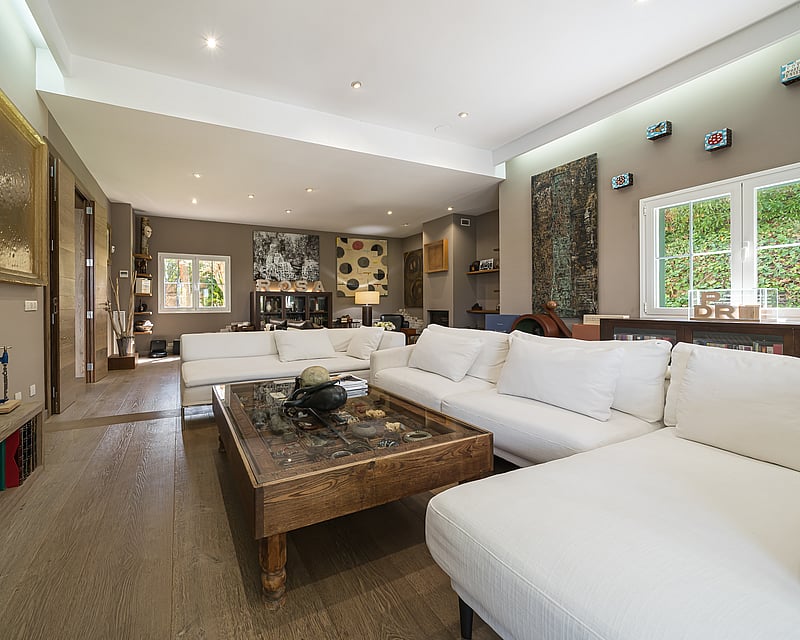
VILLA REINA
This four-bedroom villa distributes its 340 square metres across two carefully planned levels, with the ground floor dedicated to social living and the first fl
4 bedrooms · 4 bathrooms · 340 m² · 1200 m²
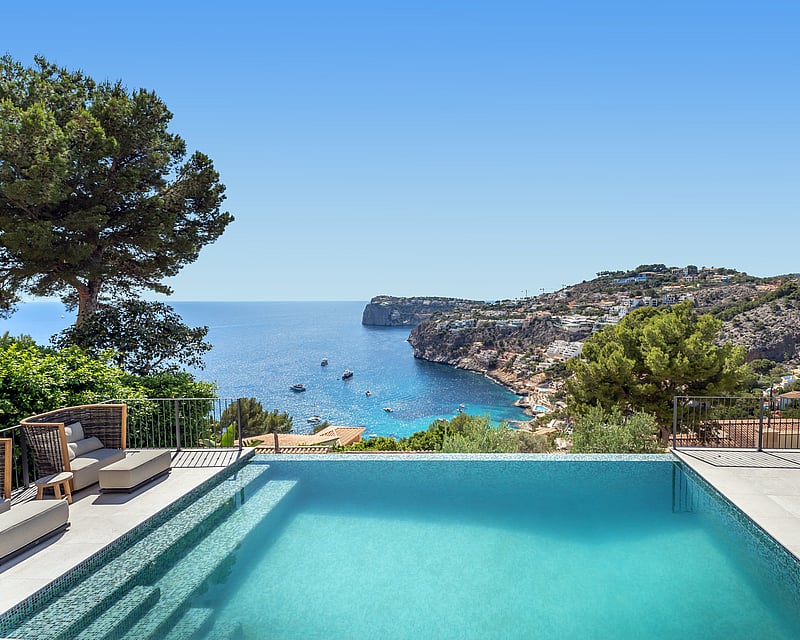
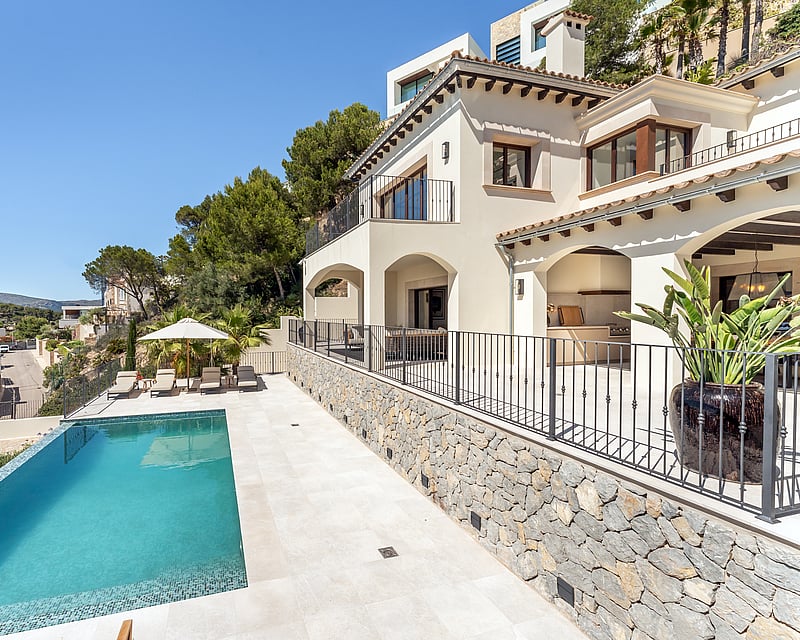
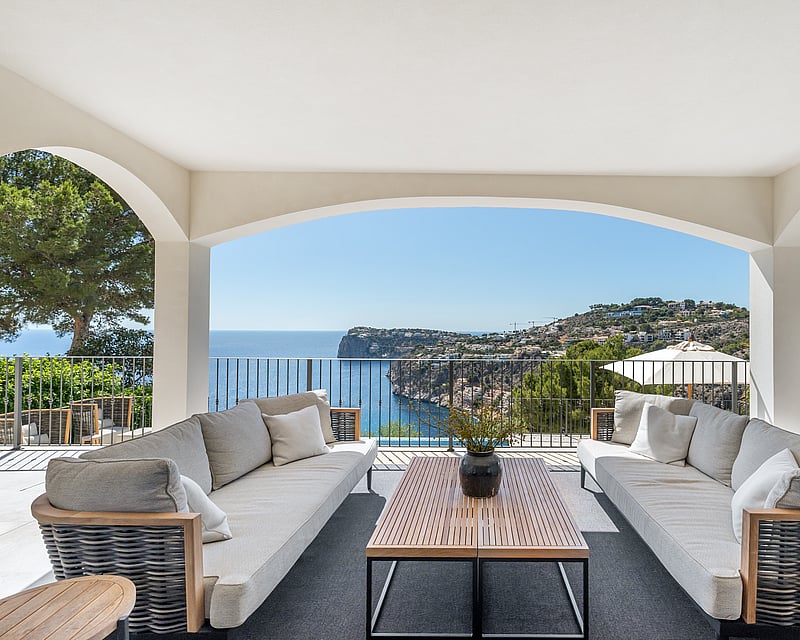
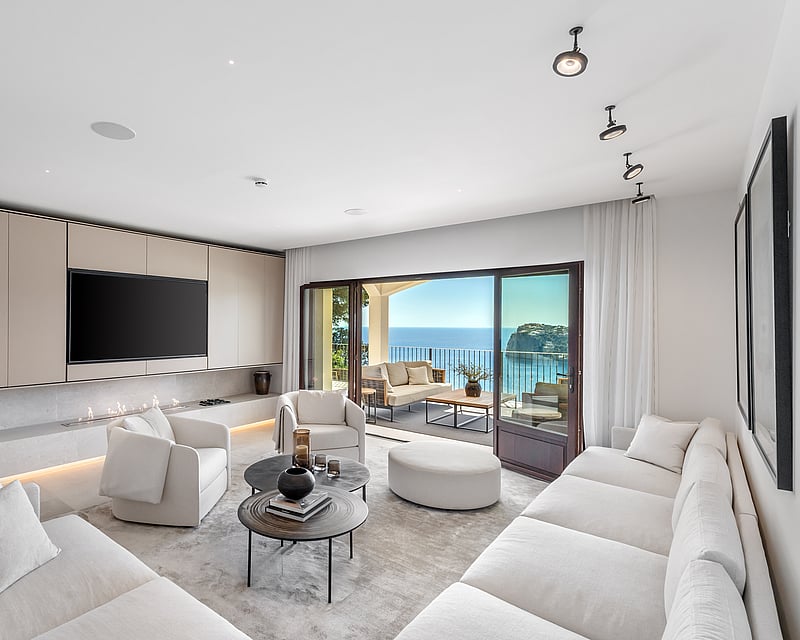
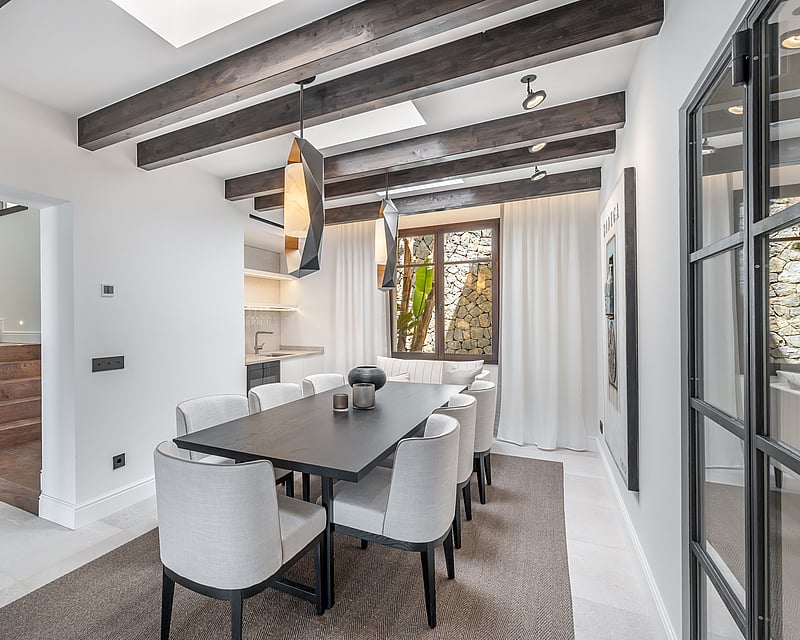
VILLA IN CALA LLAMP
Built in 2008 and taken through a full renovation in 2024, the villa is delivered fully furnished and turn-key, ready to live in from the first day. It sits on
4 bedrooms · 5 bathrooms · 471 m² · 1332 m²
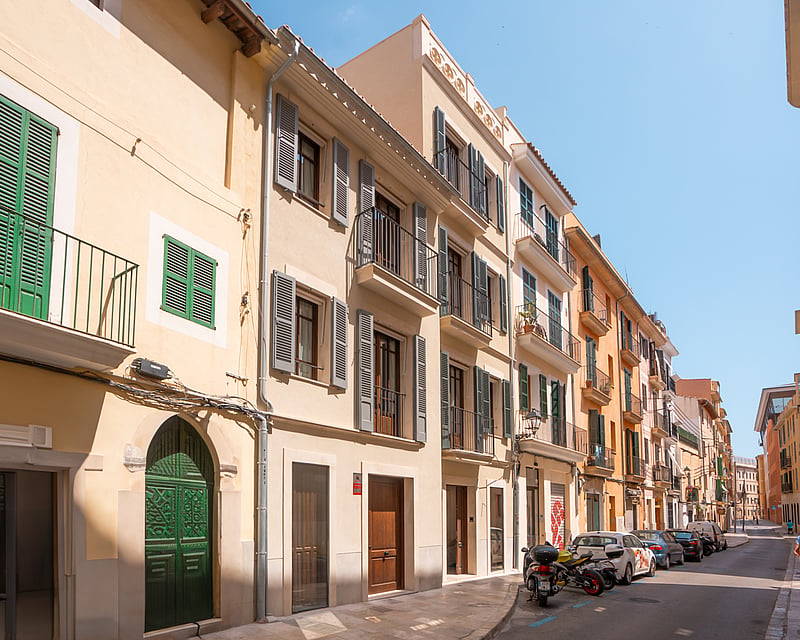
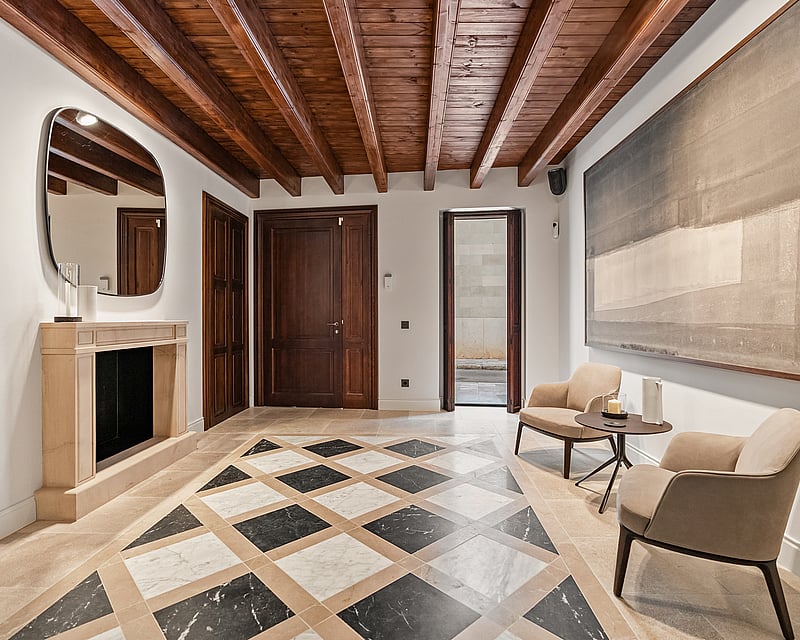
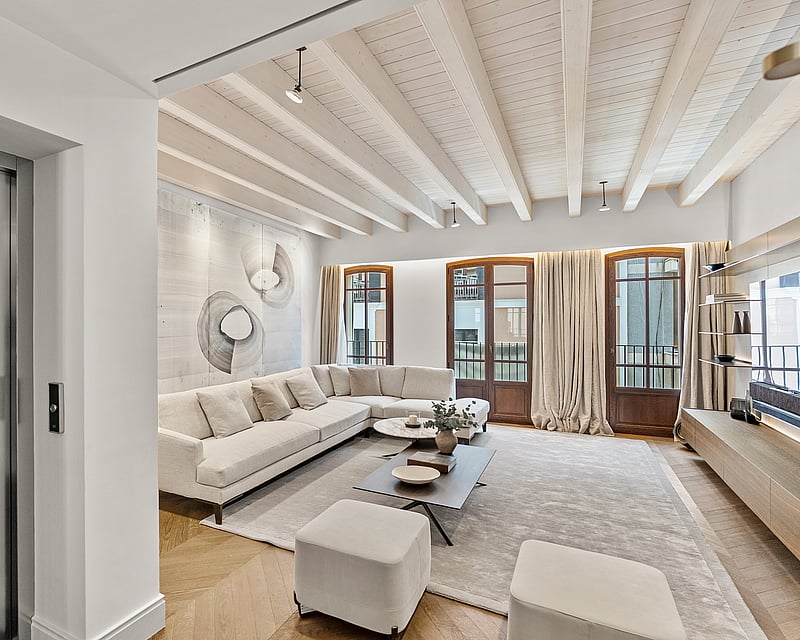
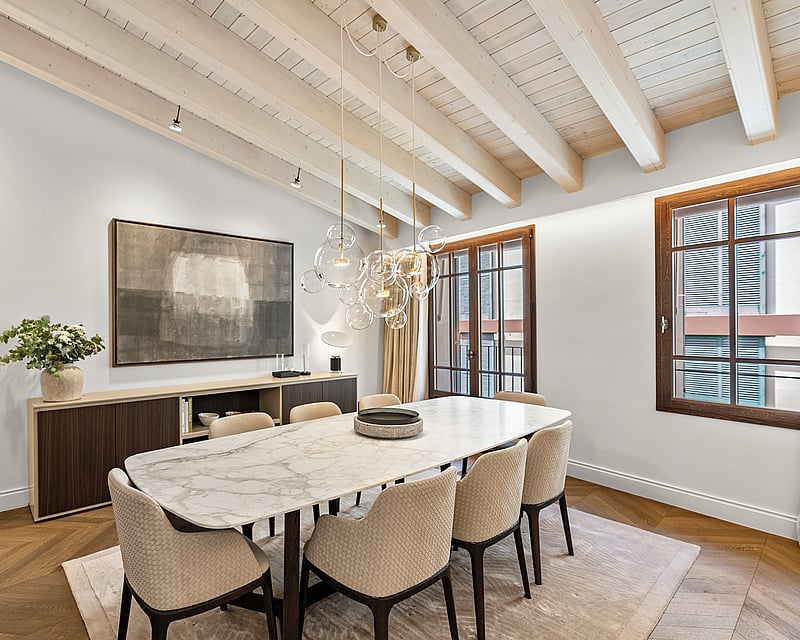
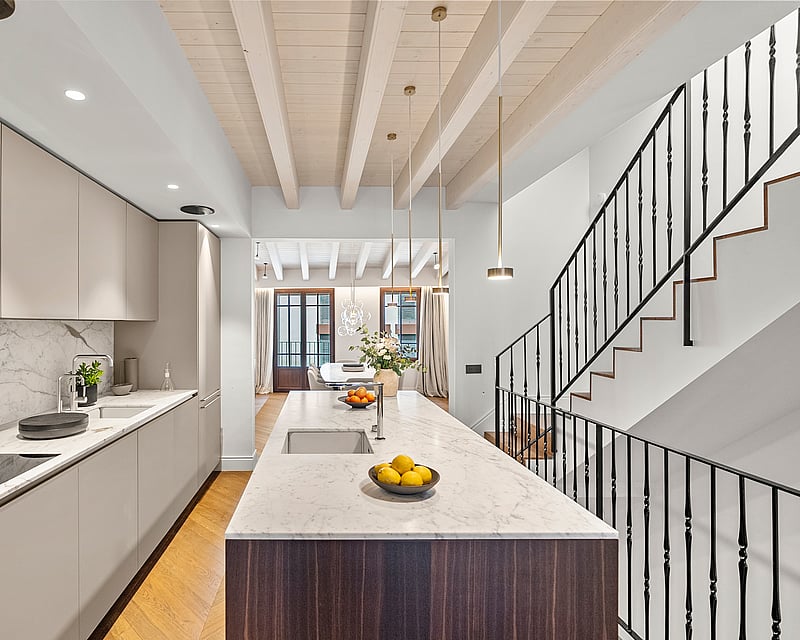
TOWNHOUSE RAIMUNDO IN PALMA CITY CENTER
This exceptional townhouse in the heart of Palma represents a masterclass in Mediterranean restoration, where historical character meets sophisticated modern li
3 bedrooms · 3 bathrooms · 275 m² · 323 m²
Find your perfect Mallorca luxury home
Let us start with the fact that matters: Spain's golden visa is closed. The programme that granted residency to non-EU nationals investing €500,000 or more in Spanish property ended on 3 April 2025, when the legislation abolishing it took effect. Applications lodged before that date continued under transitional rules, and existing golden visa holders retain their permits and renewal rights — but for a buyer planning a Mallorca purchase today, property investment no longer carries a residency permit with it. Any adviser suggesting otherwise is selling you the past.
This guide exists because the search interest never stopped, and because the underlying question remains completely legitimate: how does a non-EU buyer — American, British, Swiss, Emirati — combine a significant Mallorca property purchase with the right to actually use it for more than 90 days at a stretch? The answer in 2026 is a two-part structure: buy the property on its own merits, and secure residence through one of the visa routes that survived the reform.
Two routes do most of the work. The non-lucrative visa suits buyers living on independent means — pensions, dividends, investment income — and requires proof of sufficient funds (a multiple of Spain's IPREM index, roughly €2,400 per month for the main applicant, plus increments per dependant) and full private health insurance. The digital nomad visa suits working buyers employed by, or invoicing, non-Spanish companies, with a similar income logic. Both cover spouses and children, both renew towards long-term residence, and both are routine work for the immigration lawyers we partner with. Neither requires a property purchase — but owning your home here strengthens the practical case and removes the largest cost of relocation.
For the buyers who used to be golden visa candidates — typically non-EU families purchasing between €1M and €10M — the post-2025 playbook looks like this. First, separate the questions: the property purchase follows the standard non-resident process (NIE, independent lawyer, arras contract, notary completion) regardless of any visa. Nothing about being non-EU restricts what you can buy in Mallorca or how you hold it.
Second, choose the residence route by how you earn. Retired and financially independent buyers take the non-lucrative visa, applied for at the Spanish consulate in their country of residence before moving; it does not permit work in Spain, which is precisely its design. Working buyers with remote income take the digital nomad visa, which can even be applied for in-country and carries access to a favourable expatriate tax regime in qualifying cases. Third, model tax residency honestly: more than 183 days in Spain generally makes you a Spanish tax resident, bringing worldwide income tax and the Balearic wealth tax into scope. Some buyers deliberately stay under the threshold; others embrace residency and structure around it. Both are legitimate — drifting between them accidentally is not.
Mallorca-specific advantages remain intact. The island's international schools ease family relocations; Palma's consular and legal infrastructure handles non-EU paperwork daily; and the airport's year-round connections make split-residence patterns practical. What the golden visa's end actually changed for our clients is sequence, not feasibility: residence planning now starts before the property search, with immigration and tax advisers in the room from the first conversation. We make those introductions as a standard part of every non-EU engagement.
Is the Spain golden visa still available in 2026?
No. The property-investment golden visa was abolished with effect from 3 April 2025. Applications submitted before that date were processed under transitional provisions, and existing holders keep their residence permits and renewal rights. No new golden visa applications based on real estate investment are possible. Buying Spanish property today — at any price — does not by itself grant any residence rights to non-EU citizens.
What are the alternatives for non-EU buyers who want residency?
Two main routes. The non-lucrative visa, for those living on independent means: proof of income around €2,400 monthly for the main applicant plus increments per family member, private health insurance, and no working in Spain. The digital nomad visa, for remote workers and freelancers with non-Spanish clients or employers. Both include family, renew progressively, and can lead to long-term residence after five years. Immigration counsel makes either route straightforward.
I already hold a golden visa — what happens now?
Your permit remains valid. The 2025 abolition was not retroactive: existing golden visa holders keep their residence rights and may renew under the conditions in force when the permit was granted, provided they still meet them — including maintaining the qualifying investment. Family members' permits continue equally. If you are considering selling the qualifying property, take legal advice on renewal implications before completing the sale.
What are the tax consequences of taking Spanish residency?
Spending more than 183 days a year in Spain generally makes you tax resident, exposing worldwide income to Spanish rates and net wealth to the Balearic wealth tax — material at luxury-property levels. Digital nomad visa holders may access a favourable expatriate regime in qualifying cases. Non-residents instead pay tax only on Spanish assets and income. Model both scenarios with a specialist before buying; the difference can dwarf transaction costs.