Mallorca Property Buying Guide for Non-Residents · Tax, NIE, Legal & Finance
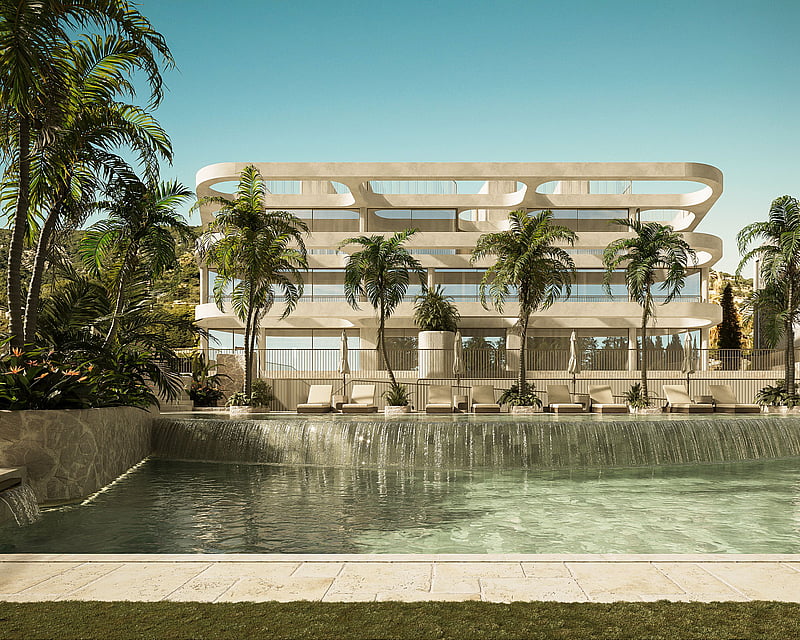
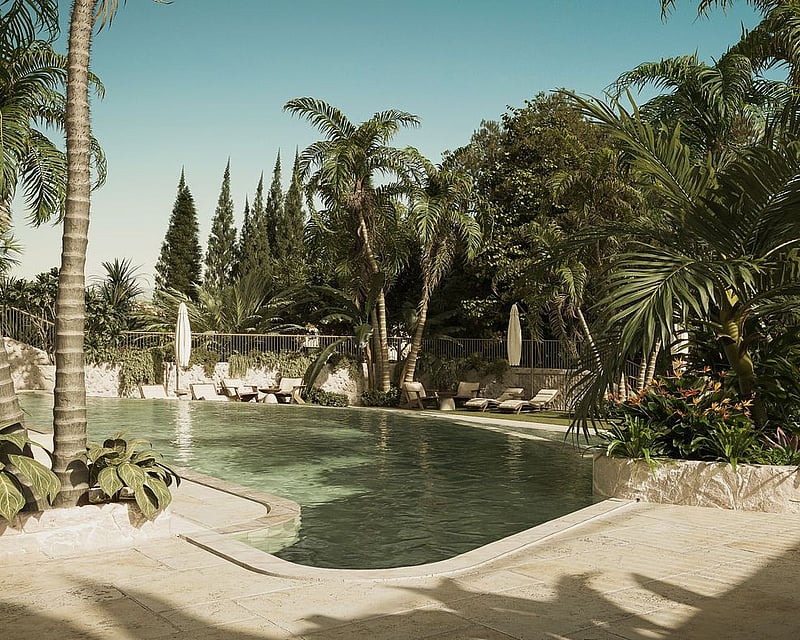
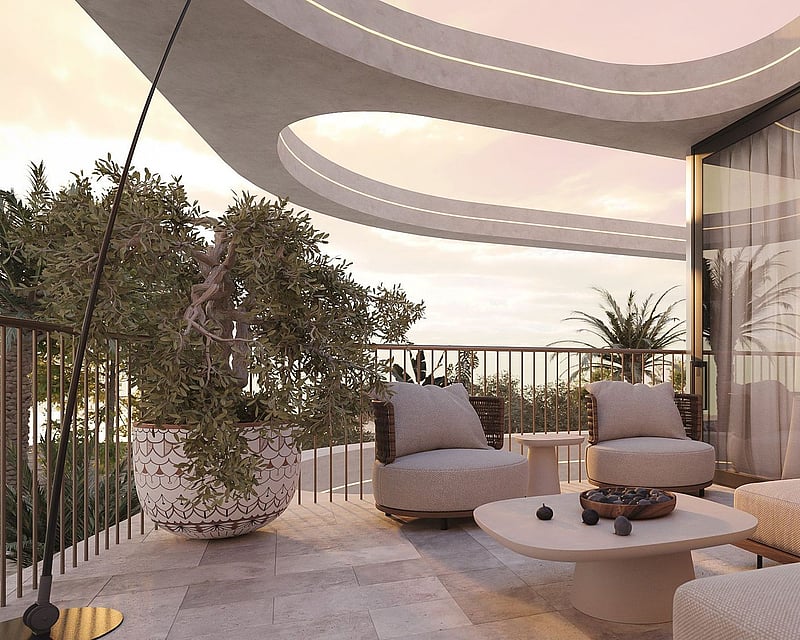
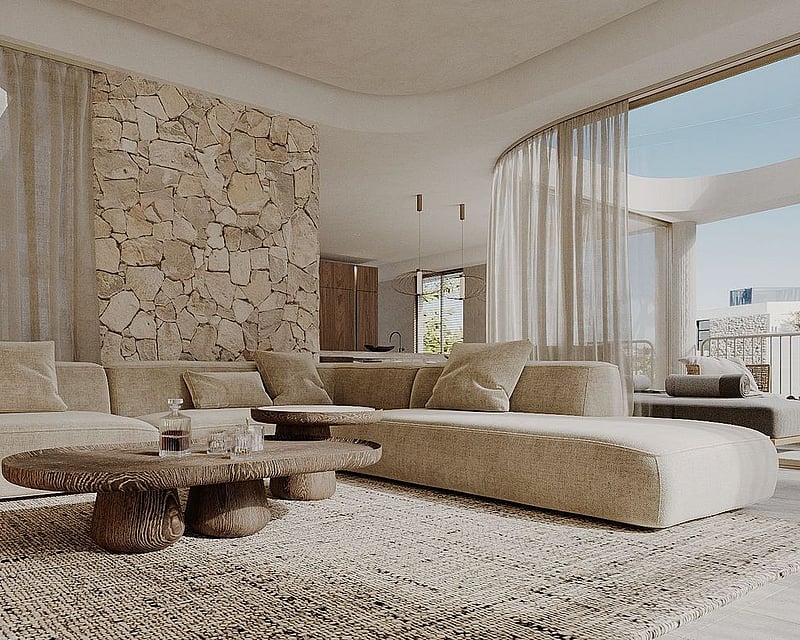
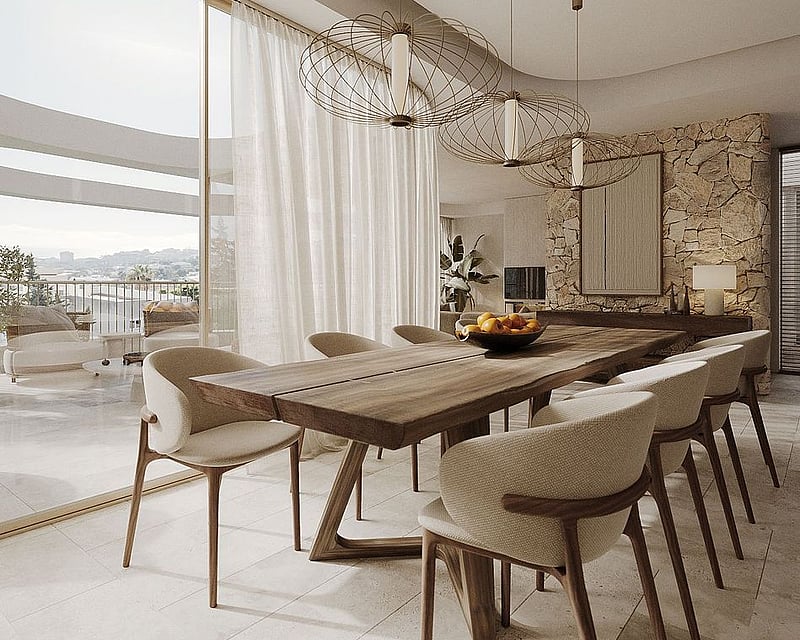
MONACO PENTHOUSE
Penthouse Left is one of three penthouses in Monaco Suites, a collection of just five residences by the Swiss developer RIVA, due for completion in the first qu
3 bedrooms · 4 bathrooms · 212 m²
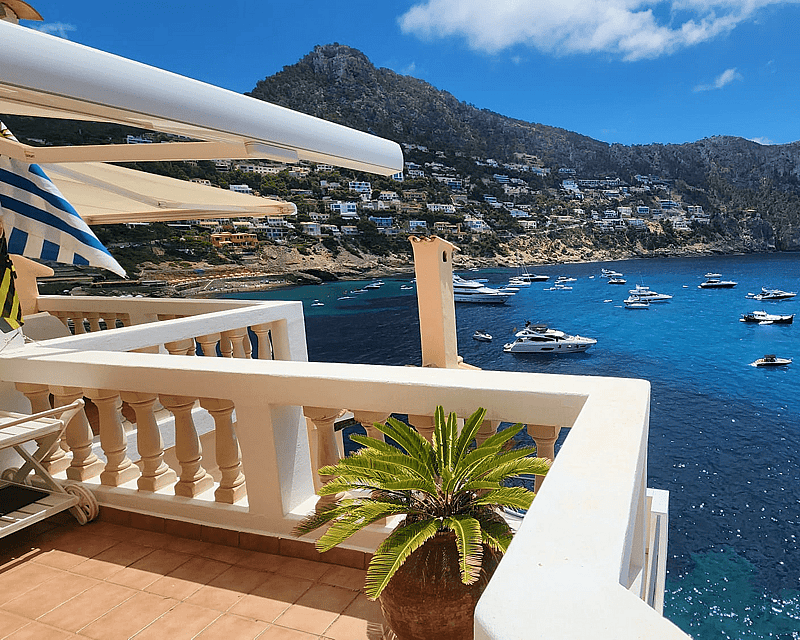
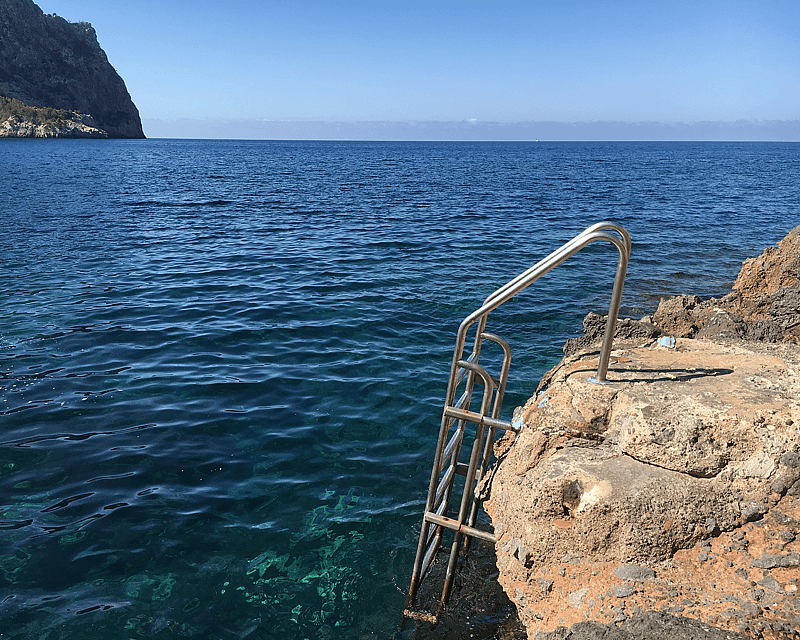
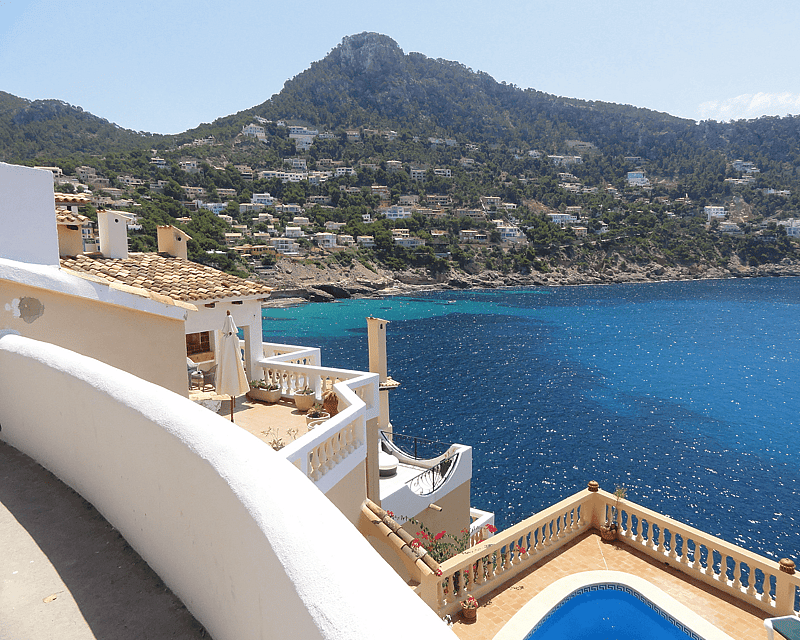
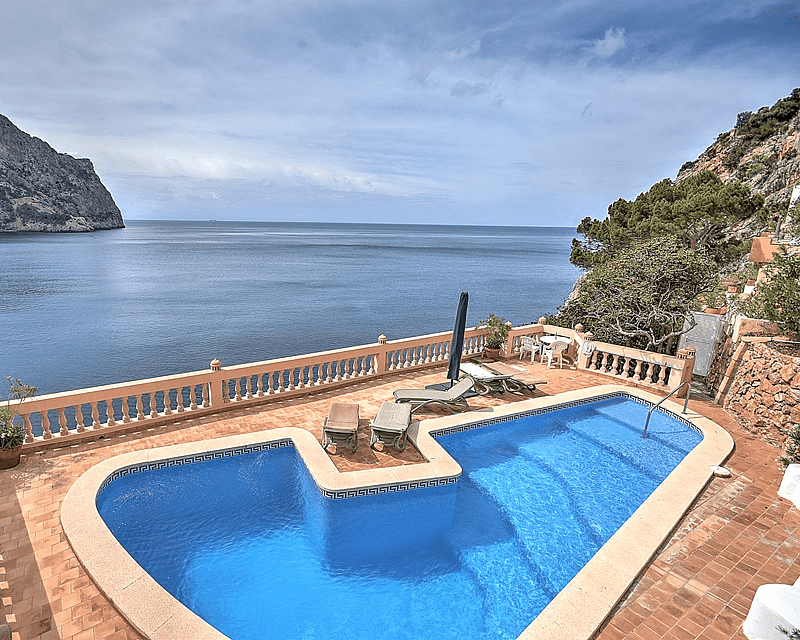
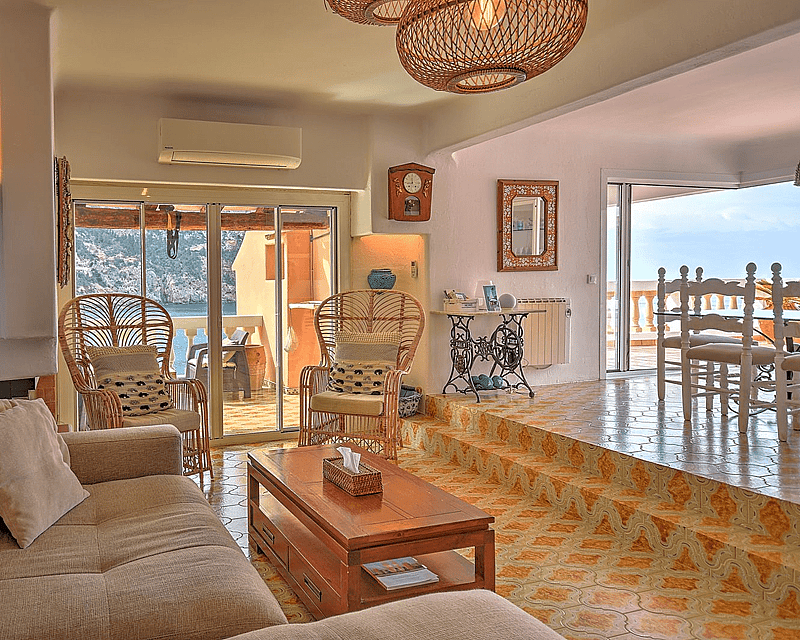
CALA LLAMP APARTMENT
Built in 1978 and still in its original Mediterranean style, this duplex penthouse sits directly above the water, with the bay and the open sea in view from alm
2 bedrooms · 2 bathrooms · 126 m²
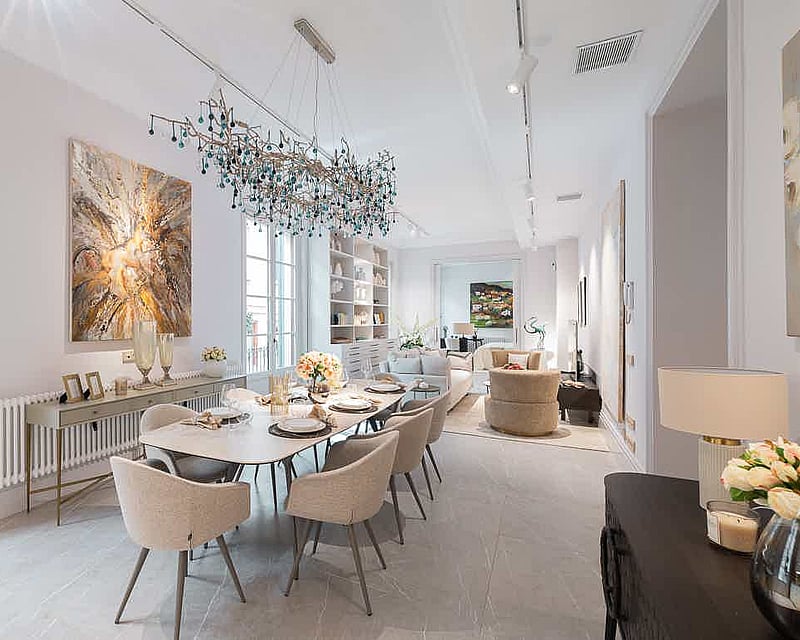

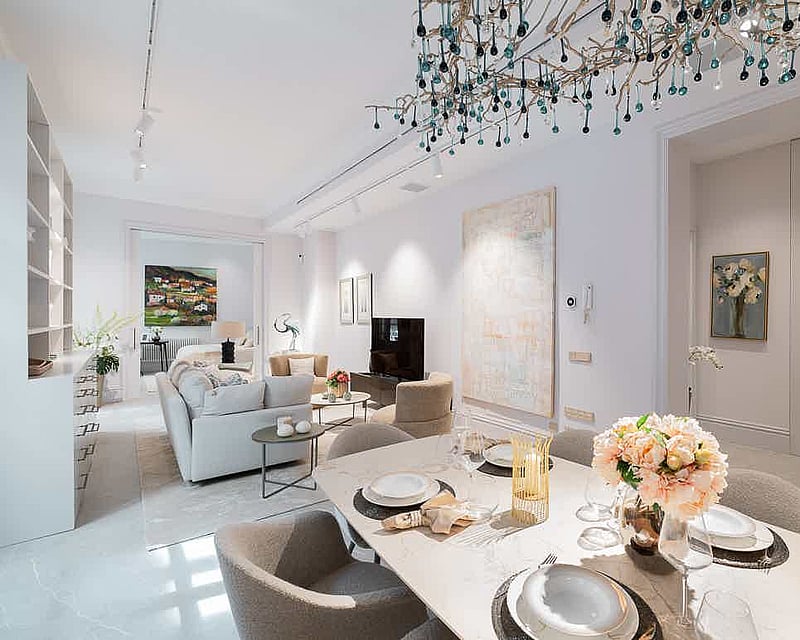

APARTMENT MIQUEL
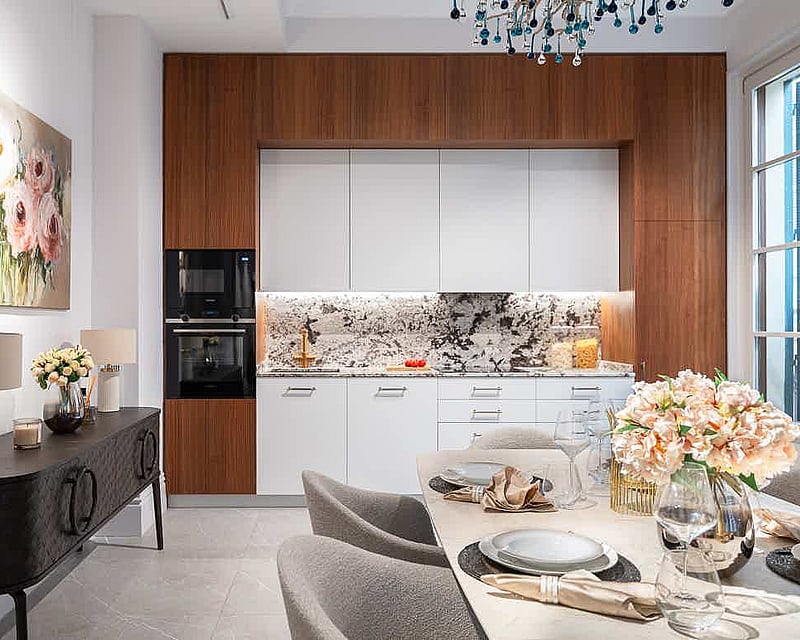
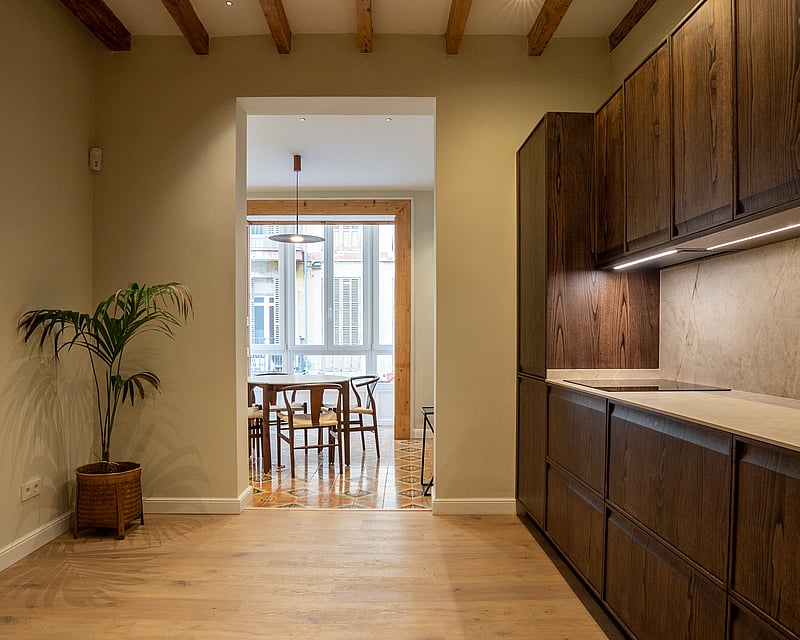
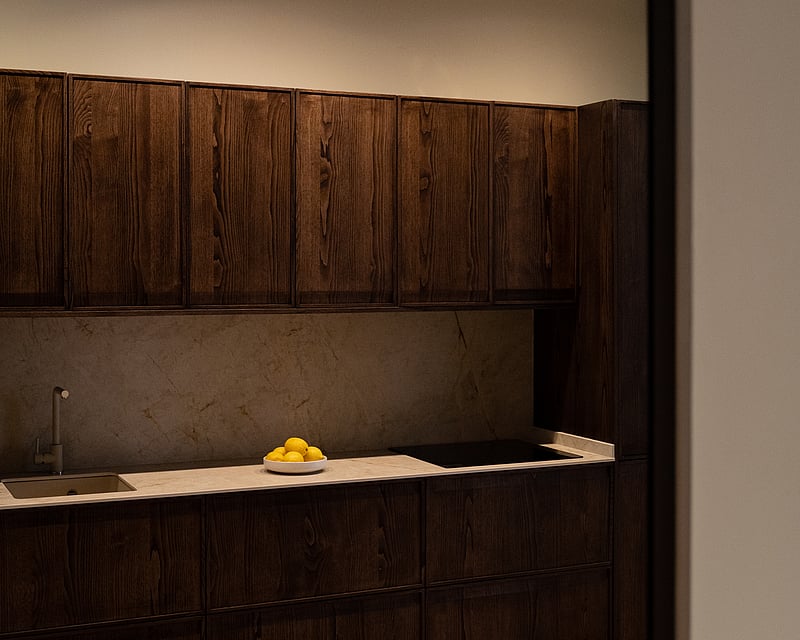
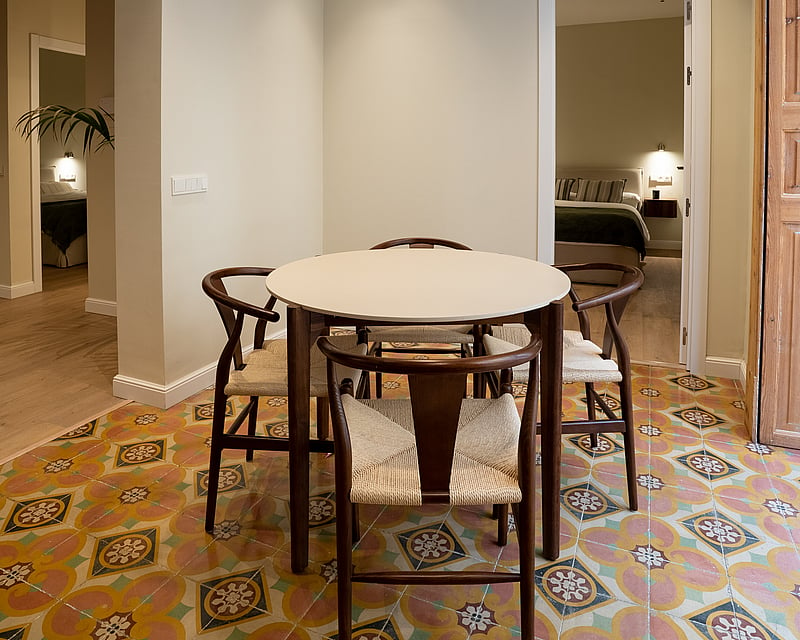
Set within a building dating from 1900, this 139 m² apartment has been renovated throughout, keeping the generous proportions of the period while bringing every
3 bedrooms · 2 bathrooms · 139 m²
SON VIDA
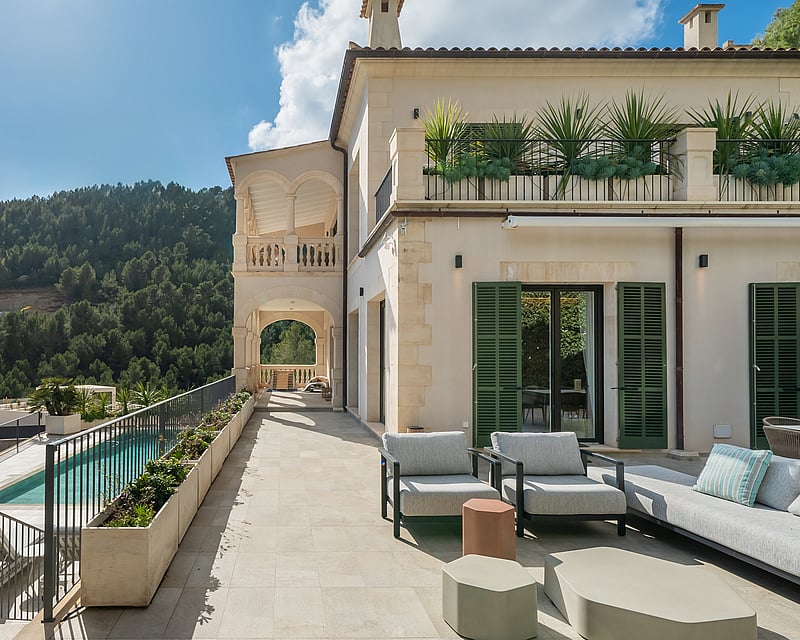
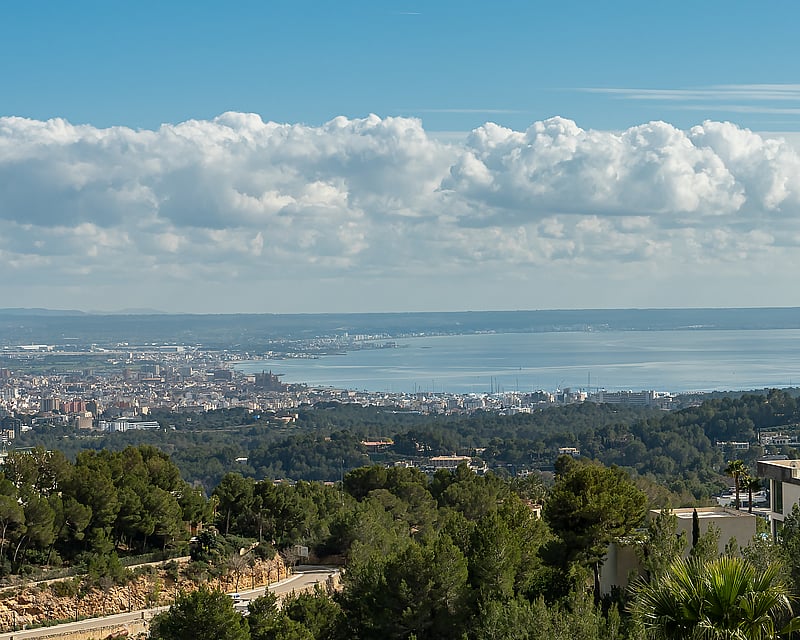
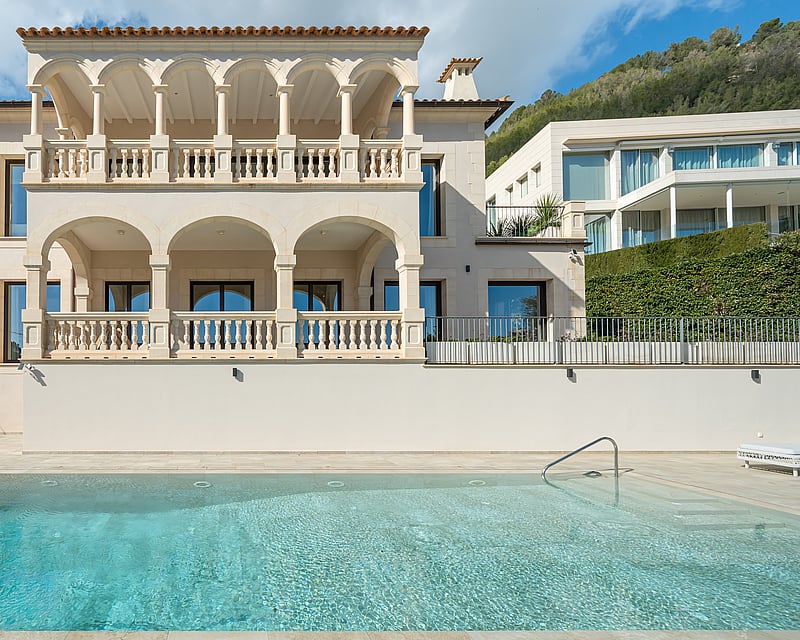
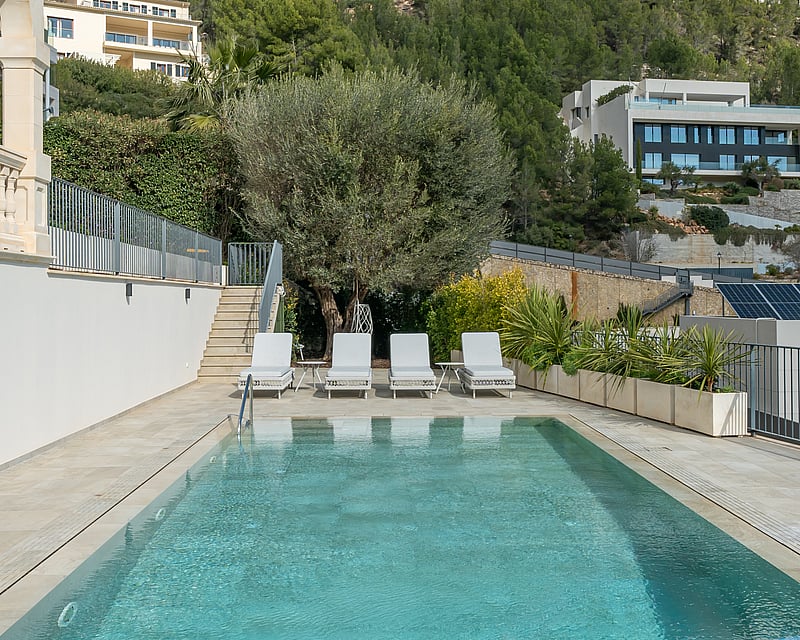
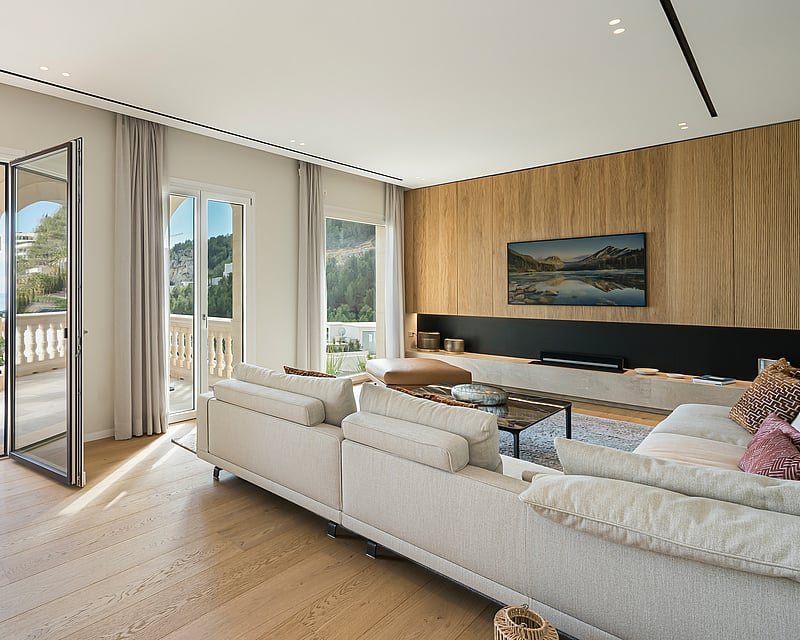
Built in 2013 and finished with real care, this four-bedroom villa brings together two architectural languages that rarely sit so comfortably side by side. Outs
4 bedrooms · 4 bathrooms · 480 m² · 1000 m²
CASA ARTISAN
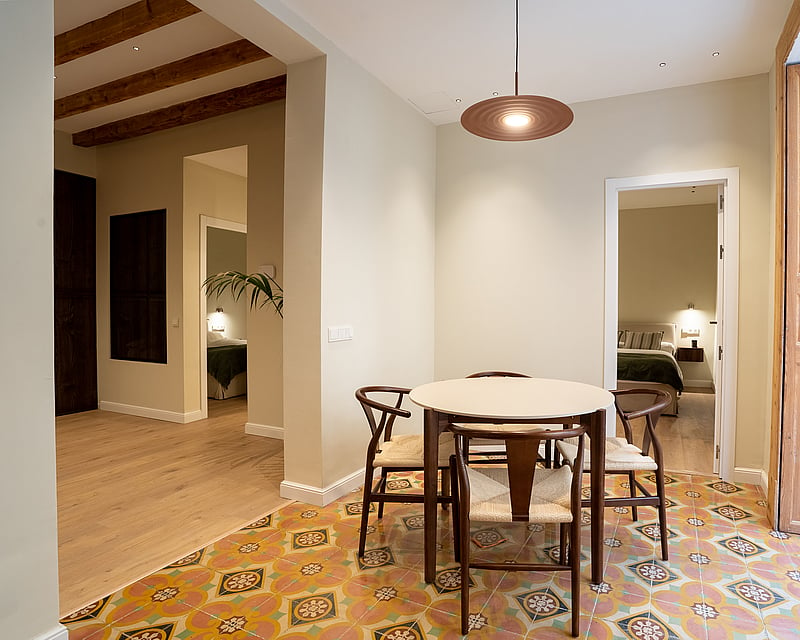
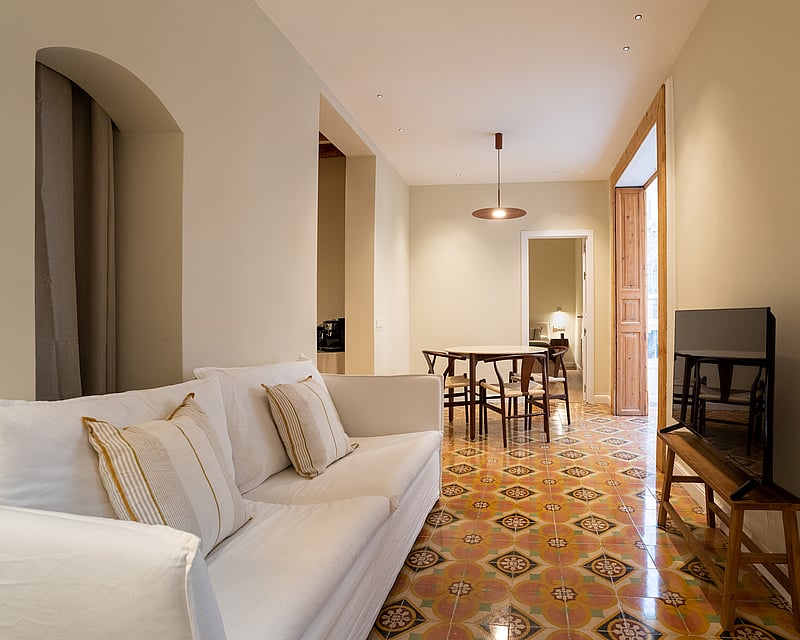
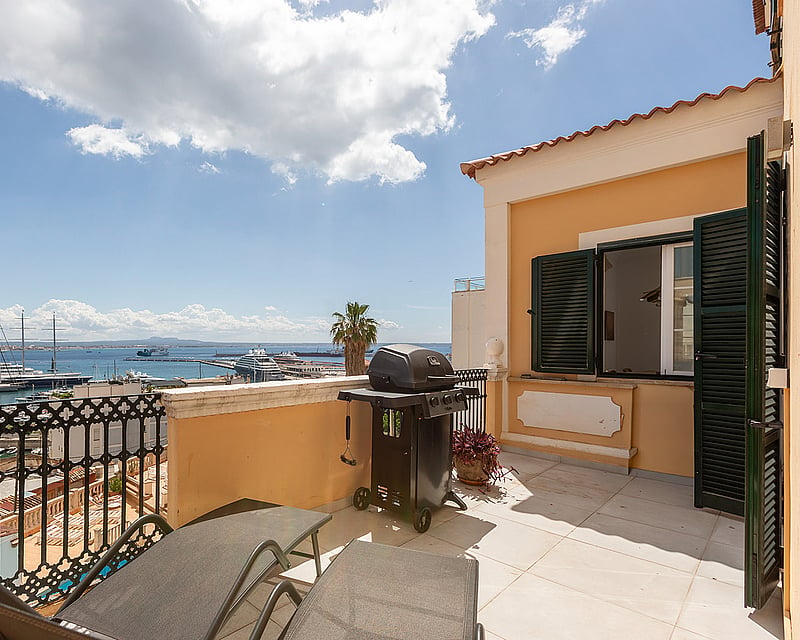
Offering 75 m² of living space, the property features two bedrooms and two bathrooms, thoughtfully designed to balance everyday comfort with modern elegance. Th
2 bedrooms · 2 bathrooms · 75 m²
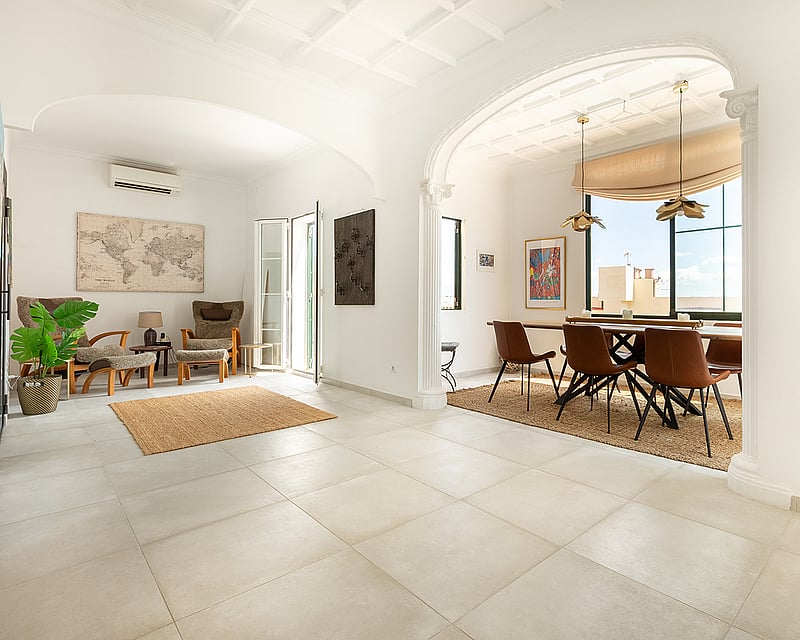
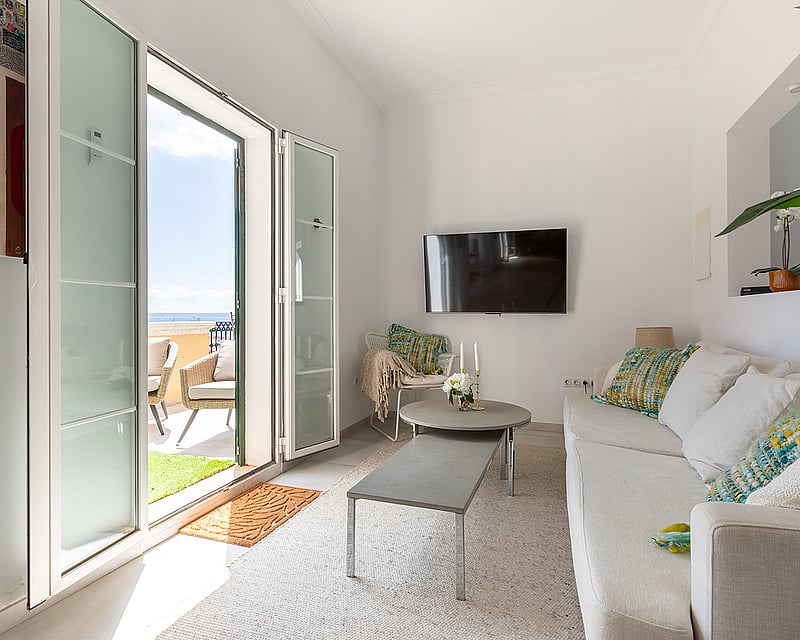
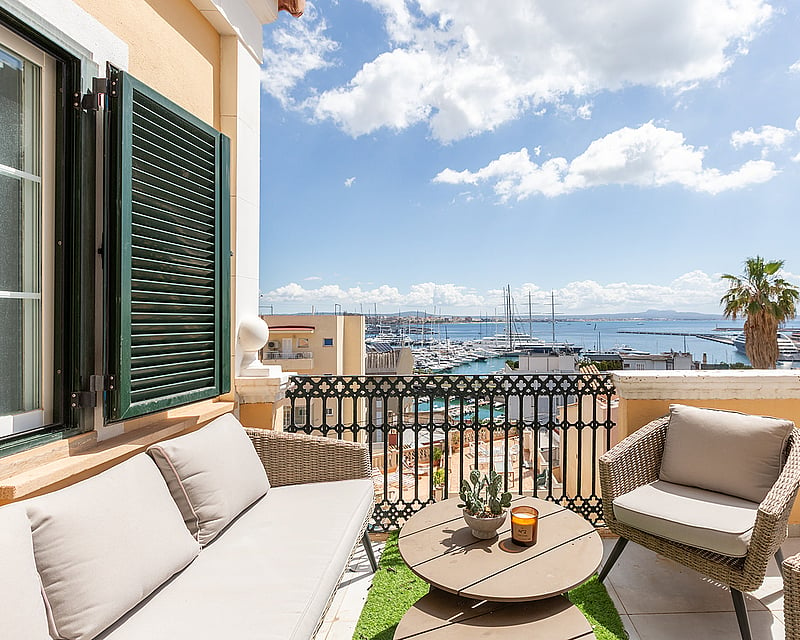
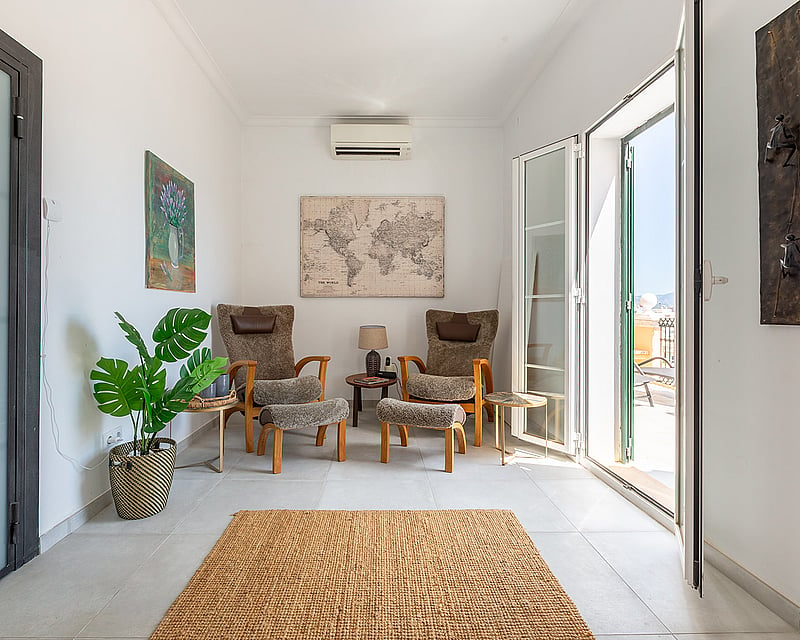
BONANOVA SEA VIEW APARTMENT
Looking out over the harbour, this three-bedroom apartment pairs period character with a calm, contemporary interior. Arched openings framed by classical column
3 bedrooms · 3 bathrooms · 140 m²
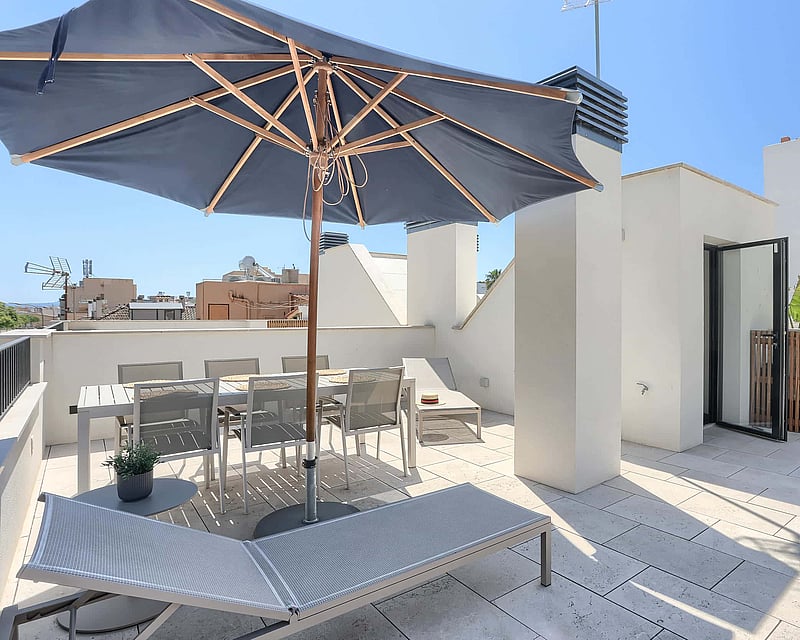
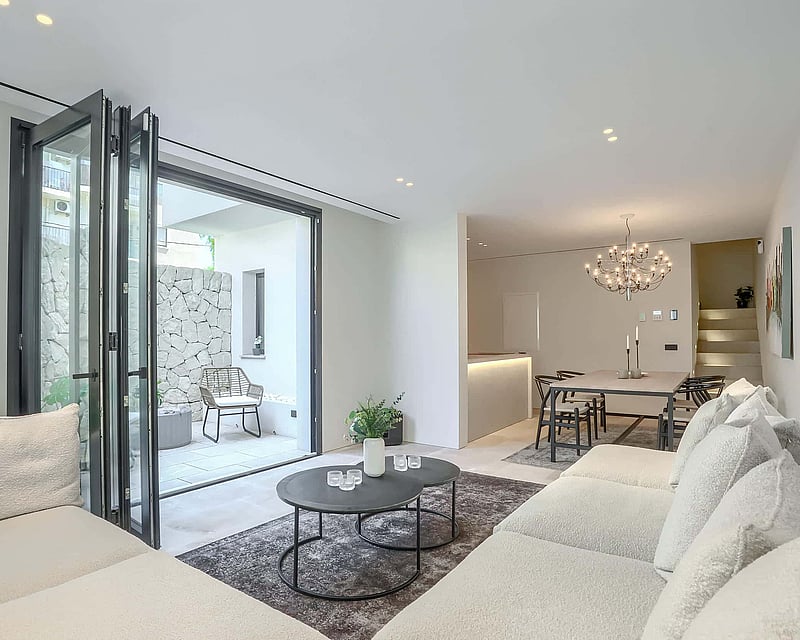
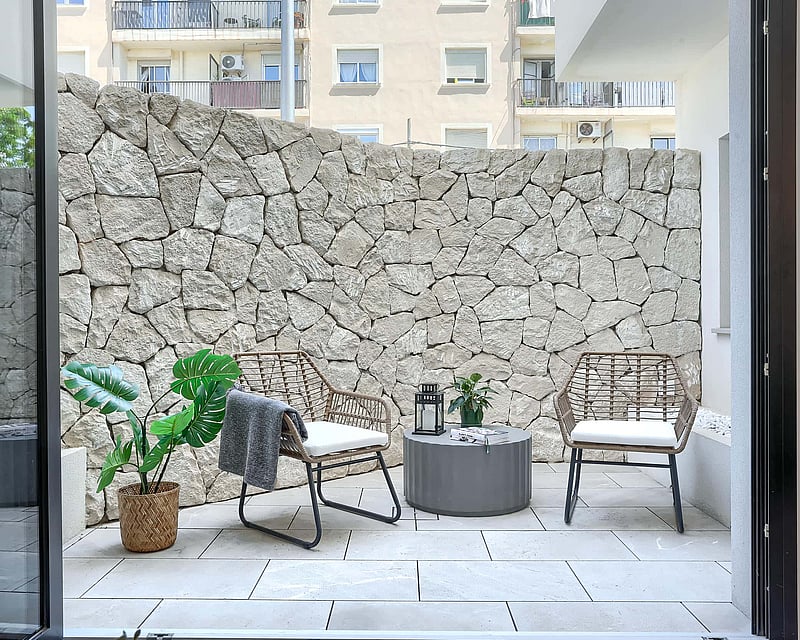
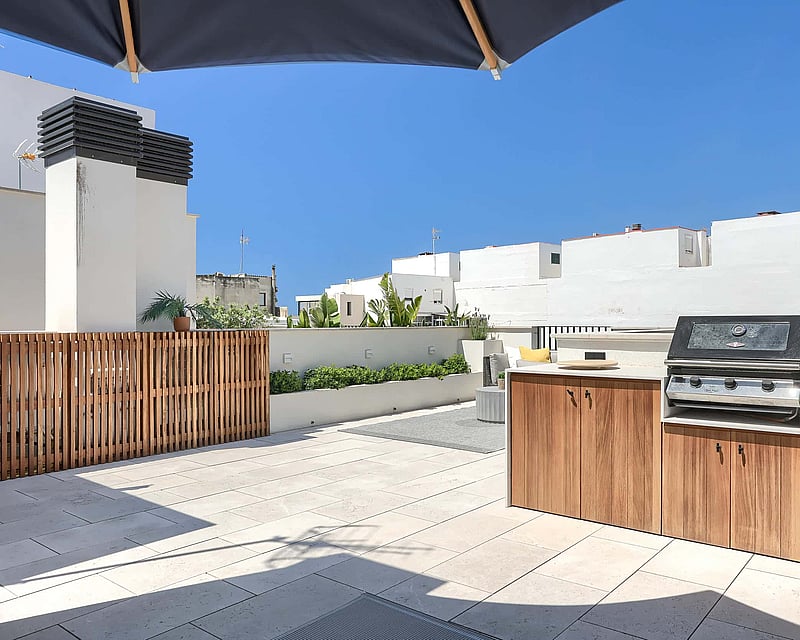
MODERN MOLINAR TOWNHOUSE
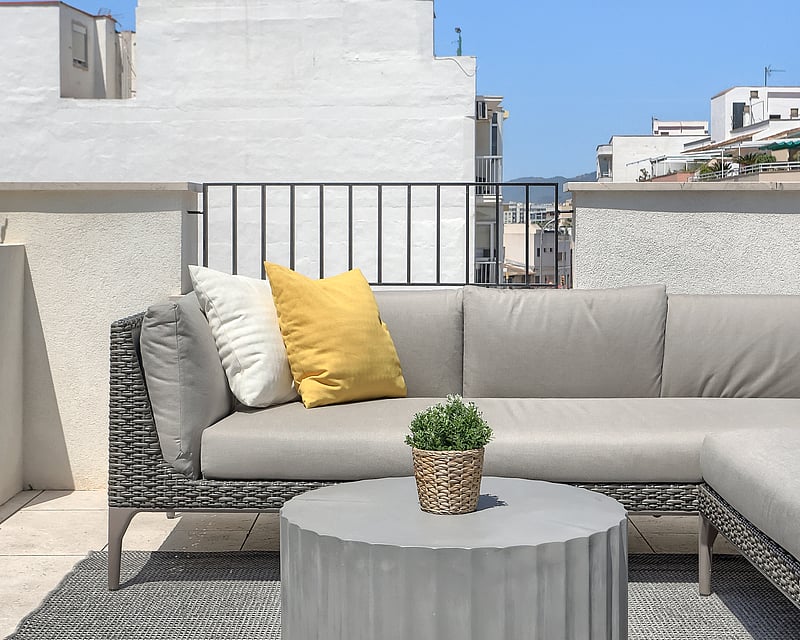
Completed in 2024, this three-bedroom townhouse is built around warm natural materials and a careful approach to light. Real wood joinery, stone basins and pale
3 bedrooms · 3 bathrooms · 145 m²
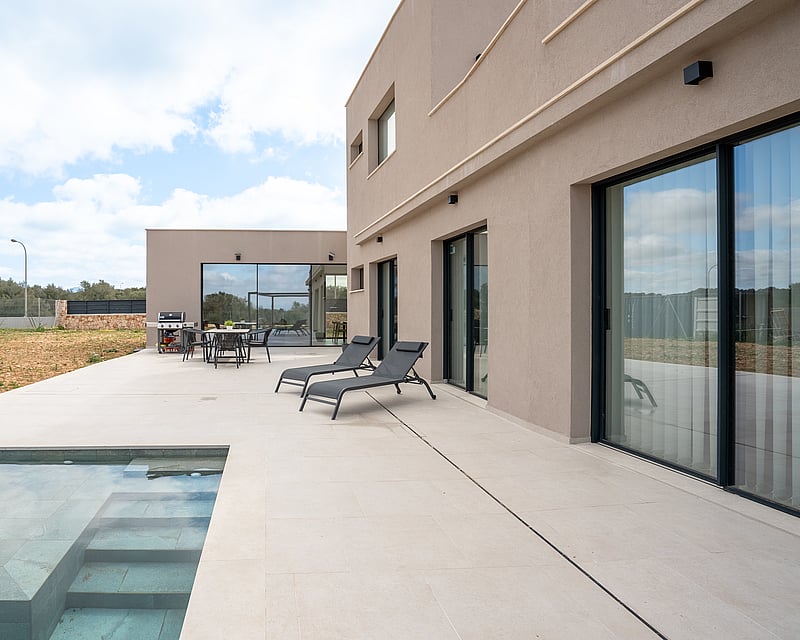
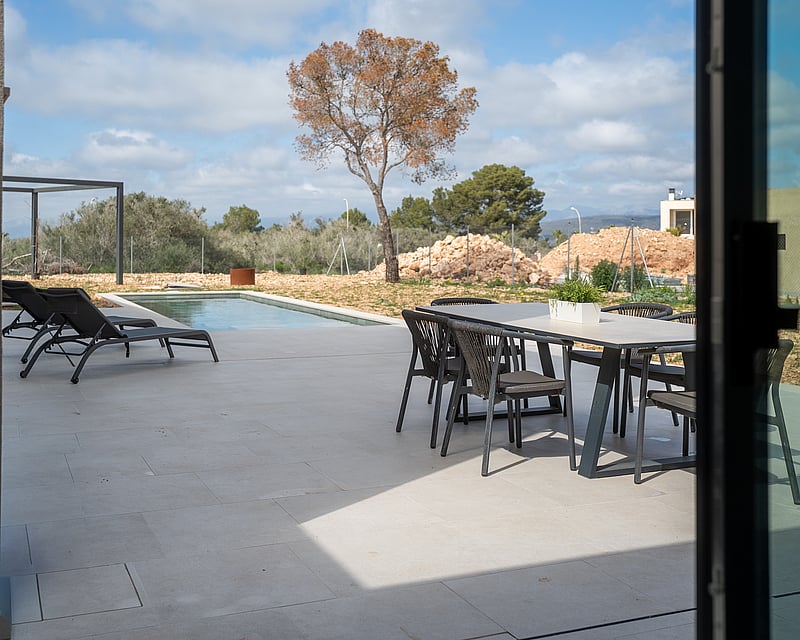
SON GUAL II VILLA
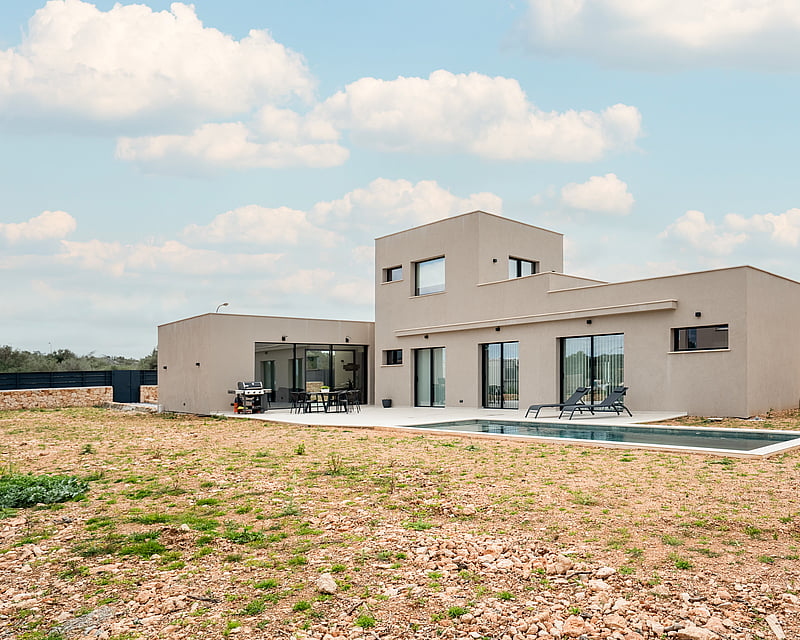
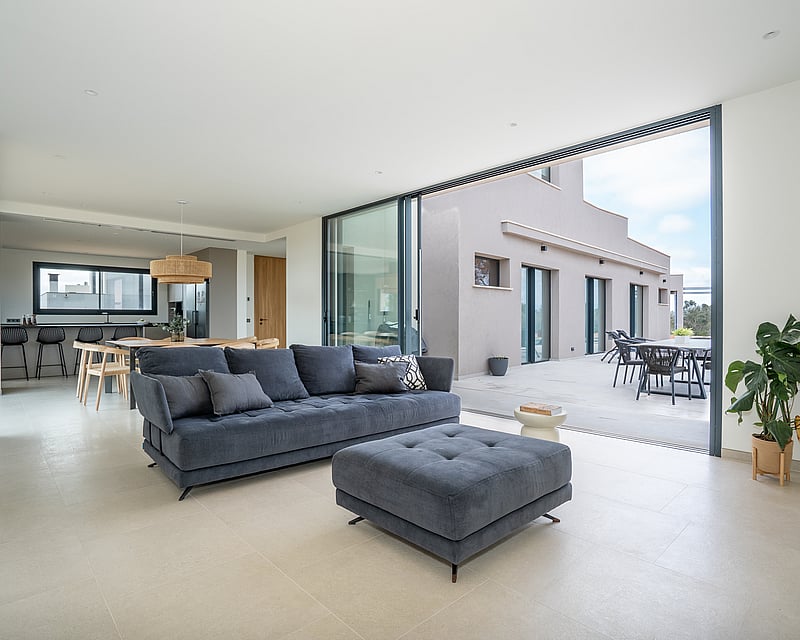
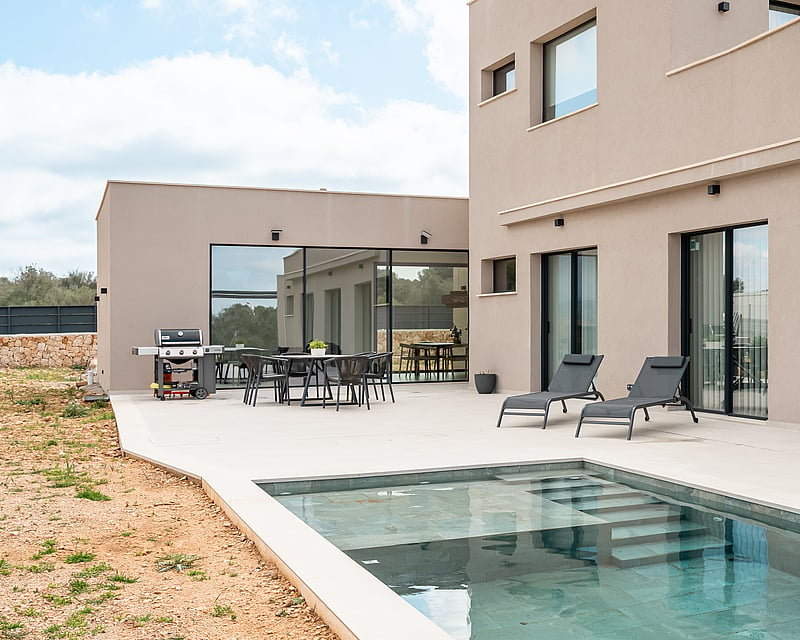
Completed in 2025, this four-bedroom villa is designed around light, space and an easy relationship with the outdoors. Clean, cubic volumes in a warm taupe rend
4 bedrooms · 3 bathrooms · 197 m² · 2000 m²
Explore Mallorca's most coveted areas
Buying property in Mallorca as a non-resident is a well-trodden path — foreign buyers account for a large share of the island's premium market, and the legal machinery around them is mature. That does not make it casual. Spanish property law rewards preparation and punishes assumption, and the buyers who have difficult experiences are almost always the ones who treated the process like a purchase at home. This guide sets out the essentials: identification, taxes, contracts, timeline and financing, written for buyers in our curated range from €800,000.
The sequence is consistent. First, obtain an NIE — the foreigner identification number that Spain requires for any property transaction — and open a Spanish bank account. Second, engage an independent lawyer; not the seller's, not the agency's. Third, once your offer is accepted, your lawyer verifies the property's legal reality: land registry, cadastre, licences, habitation certificate, debts and community status. Only then do you sign the arras (deposit) contract, typically at 10% of the price, which binds both sides. Completion happens before a notary, usually four to eight weeks later, when the balance is paid and the keys and title change hands.
Costs on top of the price are the figure most buyers underestimate. In the Balearics, resale purchases carry a sliding transfer tax from 8% to 13%; new builds carry 10% VAT plus stamp duty. Add notary, registry and legal fees, and a prudent budget reserves 10% to 15% above the purchase price. None of this is negotiable ambience — it is the arithmetic, and knowing it early is what lets you negotiate the parts that are.
Owning property in Spain and living in Spain are separate questions, and non-resident buyers should keep them separate. EU and EEA citizens may move freely: buy, stay, register as residents when their presence becomes habitual. Non-EU citizens — including British buyers since Brexit — face the Schengen limit of 90 days in any 180 unless they hold a visa. Ownership itself grants no residence rights, and since Spain ended its golden visa programme in April 2025, property investment no longer provides a residency shortcut.
The realistic routes for non-EU buyers who want more than 90 days are the non-lucrative visa, designed for those living on independent means and requiring proof of income and private health insurance, and the digital nomad visa for remote workers with non-Spanish employers or clients. Both are annually renewable paths that can lead to long-term residence. Crucially, both interact with tax residency: spend more than 183 days a year in Spain and you generally become a Spanish tax resident, with worldwide income and wealth exposure — including the Balearic wealth tax, which bites at levels relevant to every buyer reading this guide.
Our standing advice: decide your intended pattern of use before structuring the purchase. A holiday-use owner, a 150-day wintering owner and a full relocator should each buy differently — in ownership structure, financing and even choice of zone. We introduce every non-resident client to specialist tax counsel before the arras contract, not after completion, because the cheapest mistakes are the ones never made. Healthcare, schools and day-to-day integration then follow the residency choice, and Mallorca's infrastructure for all three is the strongest in the Balearics.
What is the NIE and how do I get one?
The NIE (Número de Identidad de Extranjero) is Spain's identification number for foreigners, required for any property purchase, bank account or utility contract. You can apply at a national police station in Spain, via a Spanish consulate abroad, or — most conveniently — through a power of attorney granted to your lawyer, who obtains it for you. Allow two to four weeks. It costs little; get it moving before you start viewing seriously.
What taxes and costs come on top of the purchase price?
For resale property in the Balearics: transfer tax on a sliding scale from 8% to 13% of the price. For new builds: 10% VAT plus stamp duty. Add roughly 1% to 2% combined for notary, land registry and legal fees. A safe planning figure is 10% to 15% above the agreed price. Annual ownership then brings IBI (municipal tax), non-resident income tax and potentially Balearic wealth tax — model these before buying, not after.
How long does a purchase take from offer to keys?
Typically eight to twelve weeks. Reservation and legal due diligence take two to four weeks; the arras contract with its 10% deposit follows; completion at the notary comes four to eight weeks after that. Cash purchases at the fast end can complete in six weeks. Mortgages add time — bank valuation and approval typically extend the process by three to five weeks. With power of attorney, you do not need to be in Spain for completion.
Does buying property give me the right to live in Mallorca?
No. Ownership and residency are separate. EU citizens can settle freely. Non-EU citizens are limited to 90 days per 180 in Schengen unless they obtain a visa — Spain's golden visa via property ended in April 2025, so the practical routes are now the non-lucrative visa (independent means) or the digital nomad visa (remote work). Both are workable and well-tested; we connect clients with immigration specialists as standard.