Moving to Mallorca · 10 Tips for a Successful Relocation
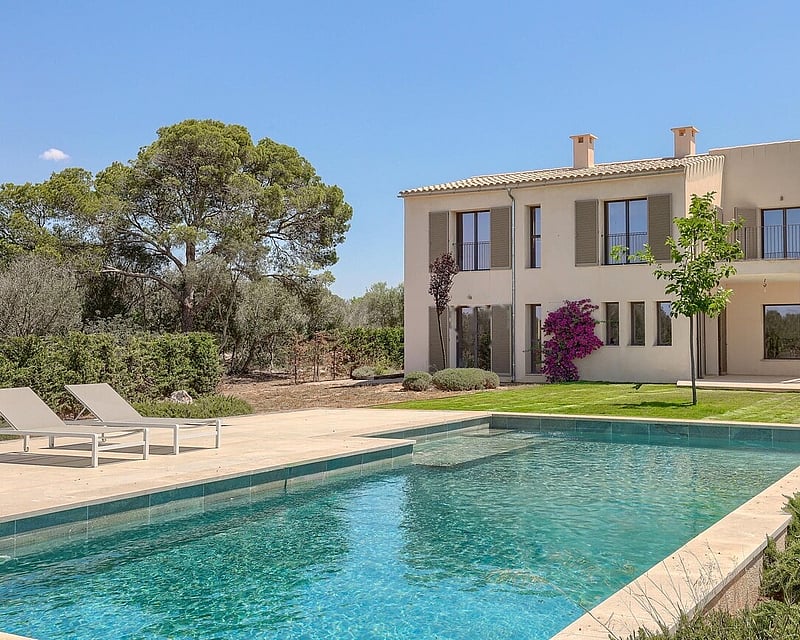
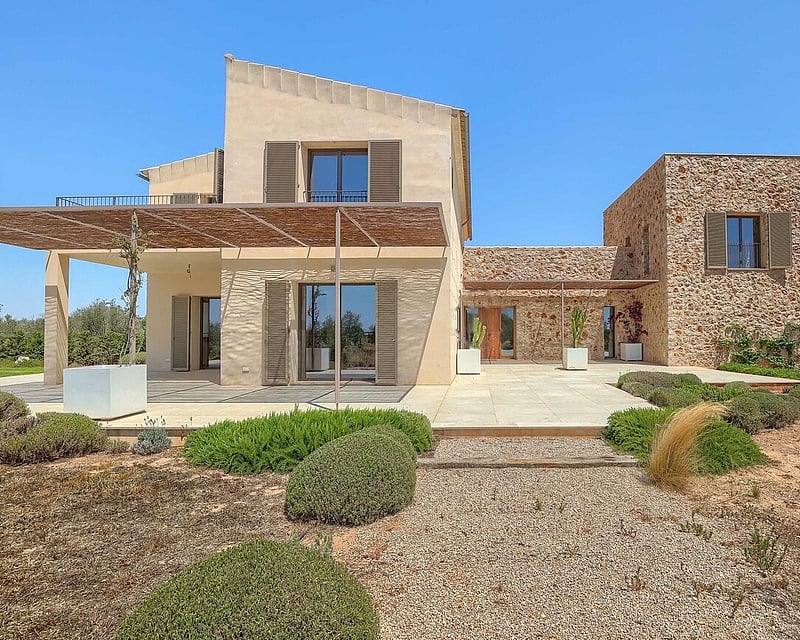
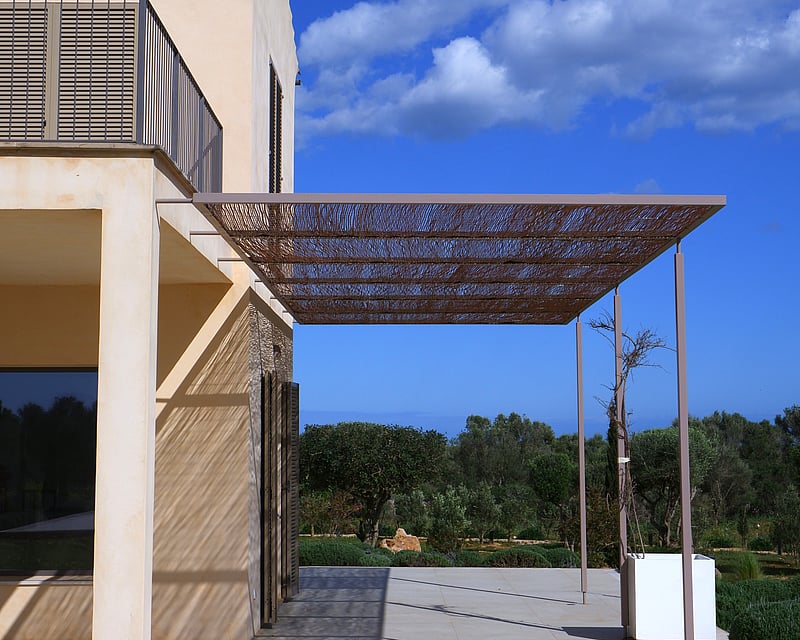
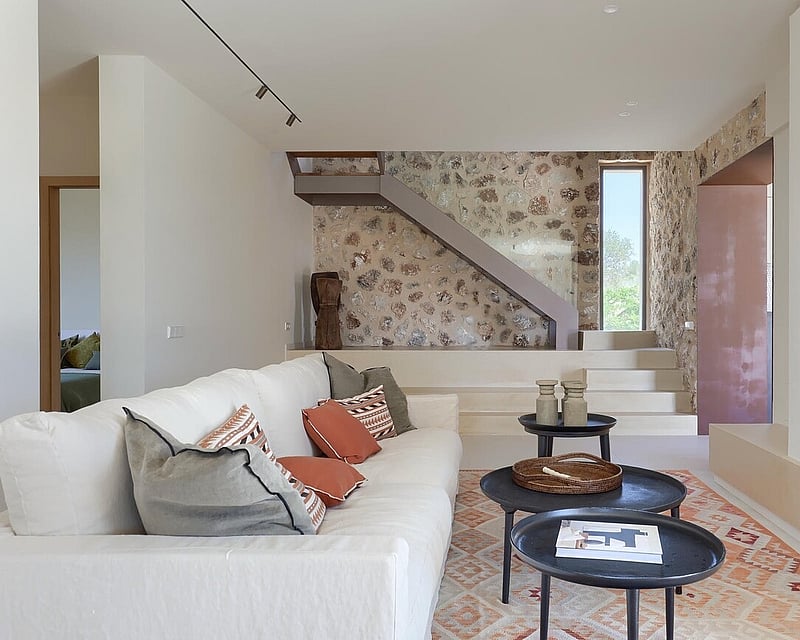
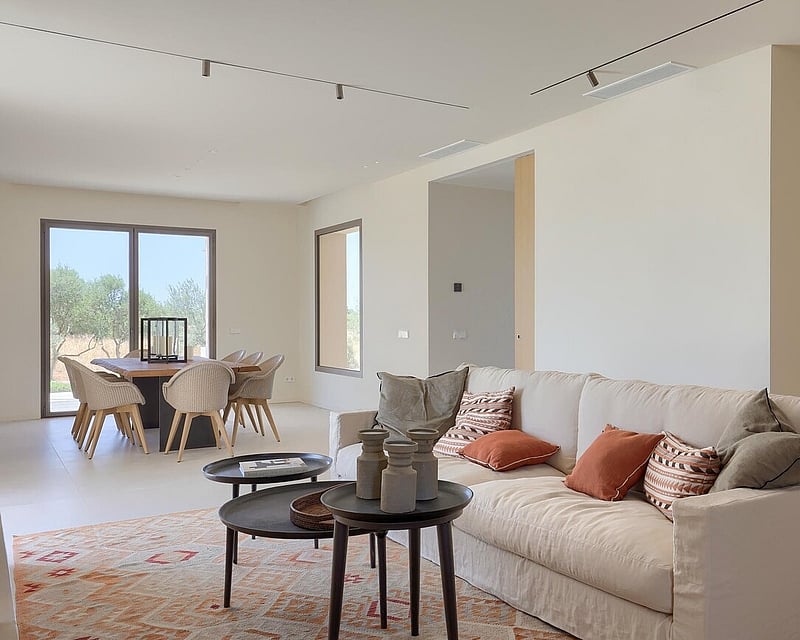
SANTANYI FINCA
This newly built finca brings together traditional Mallorcan building and a light, modern interior. Façades in pale sandstone and hand-laid natural stone sit am
5 bedrooms · 6 bathrooms · 402 m² · 440000 m²
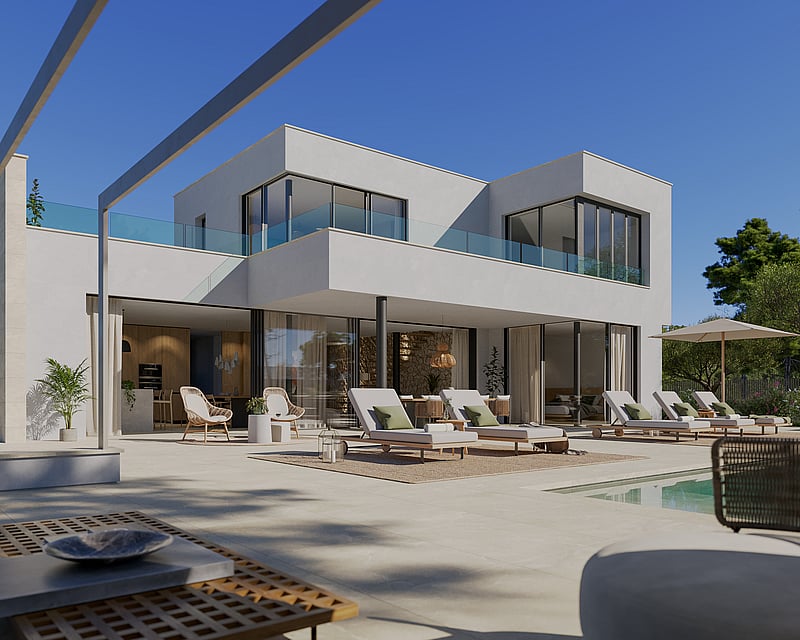
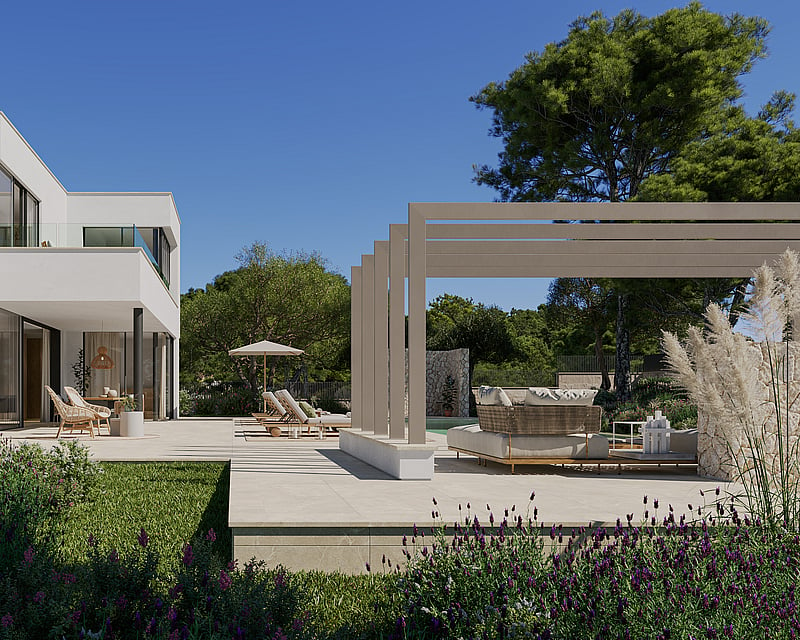
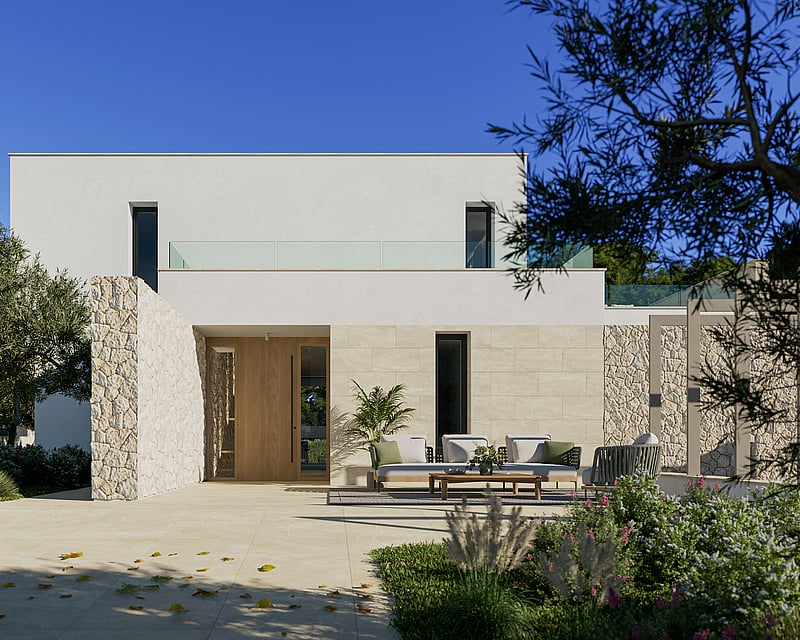
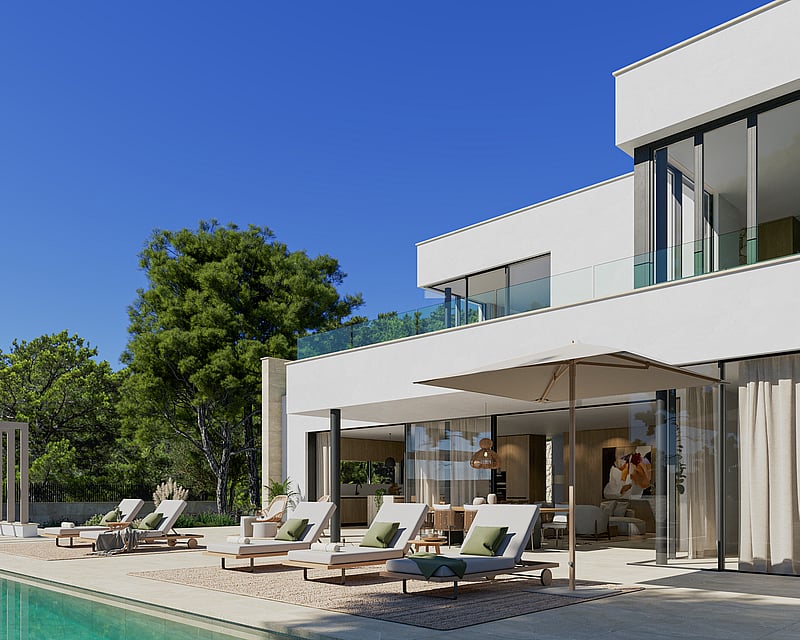
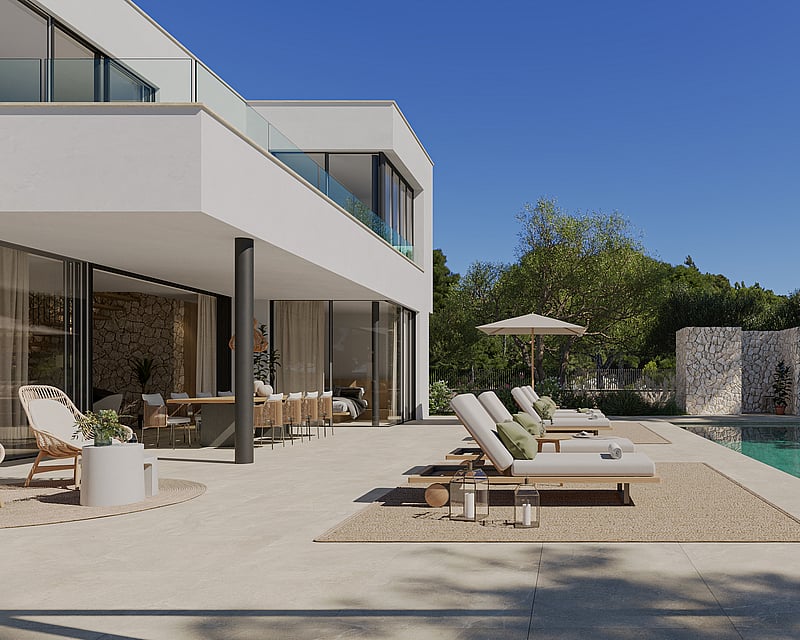
SON GUAL II VILLA
Currently under construction and due for completion at the end of 2026, this three-suite villa is designed around light, natural materials and an easy flow betw
3 bedrooms · 4 bathrooms · 380 m² · 2000 m²
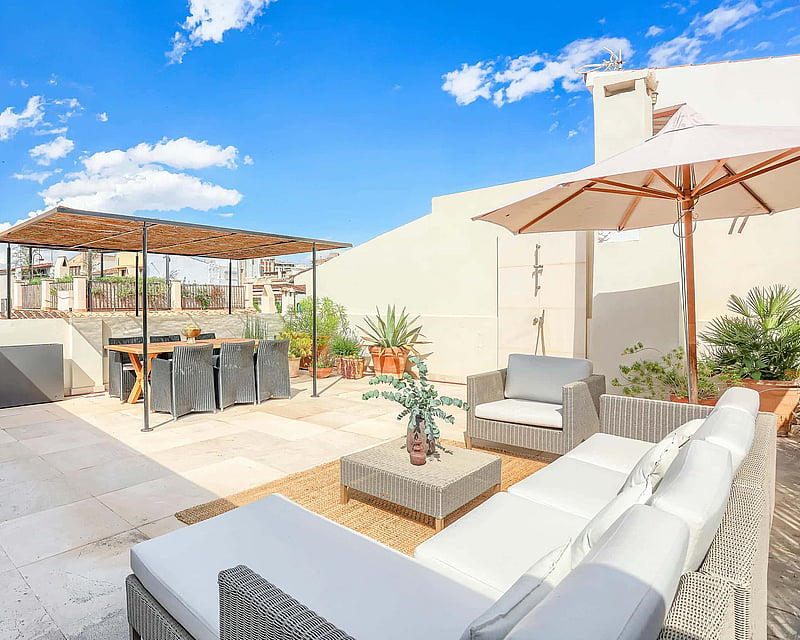
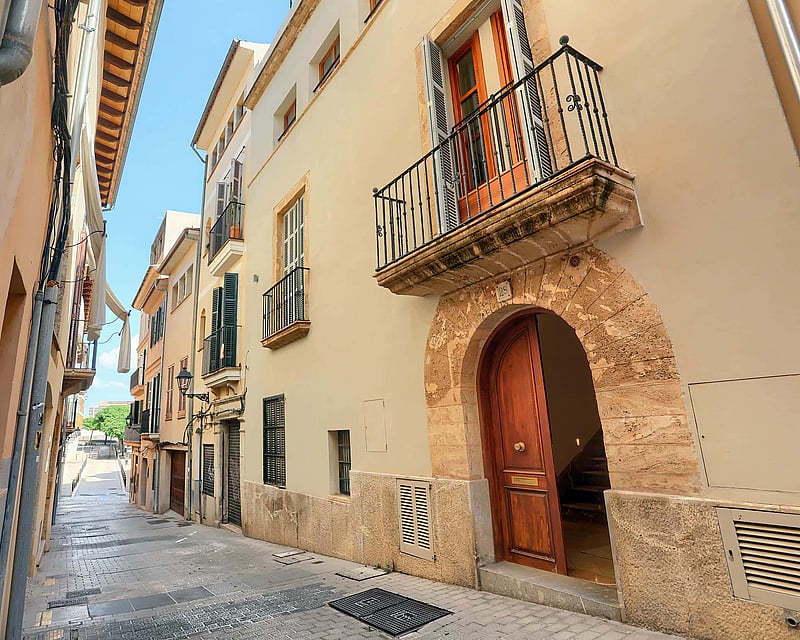
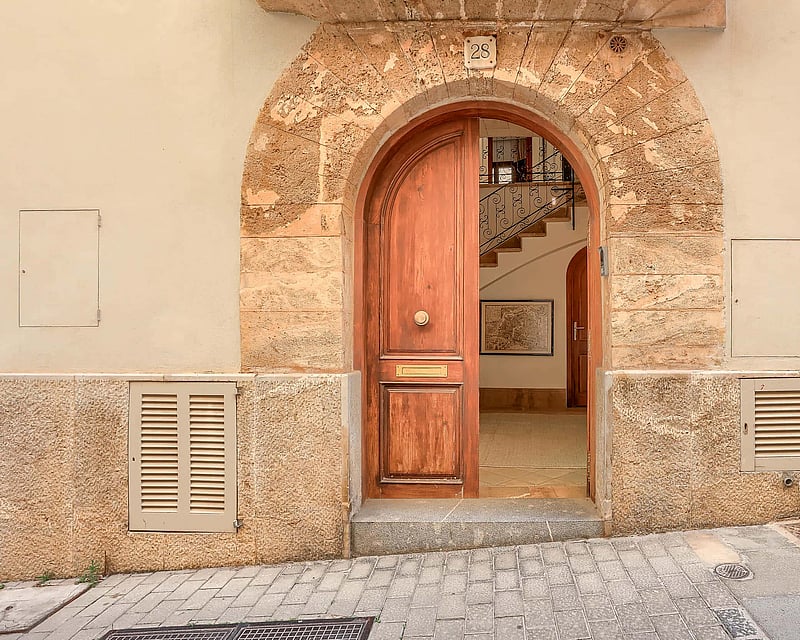
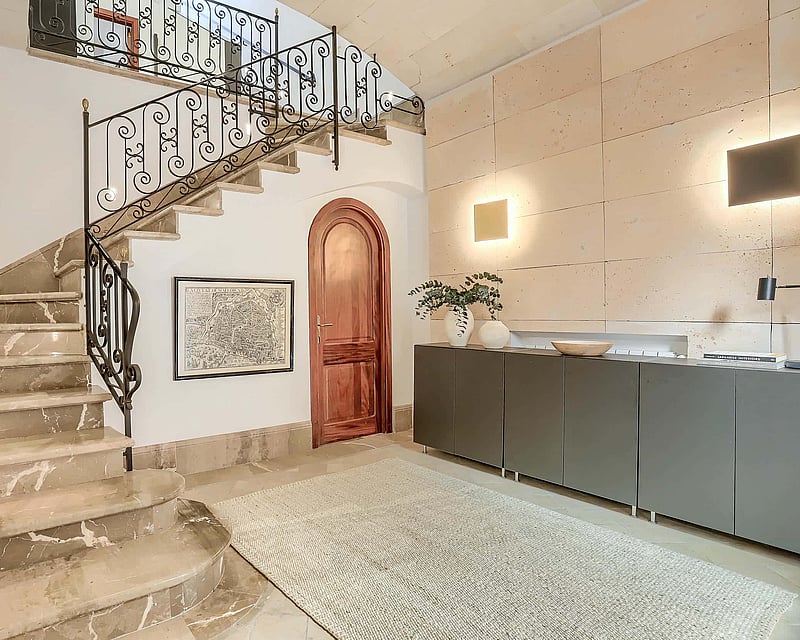
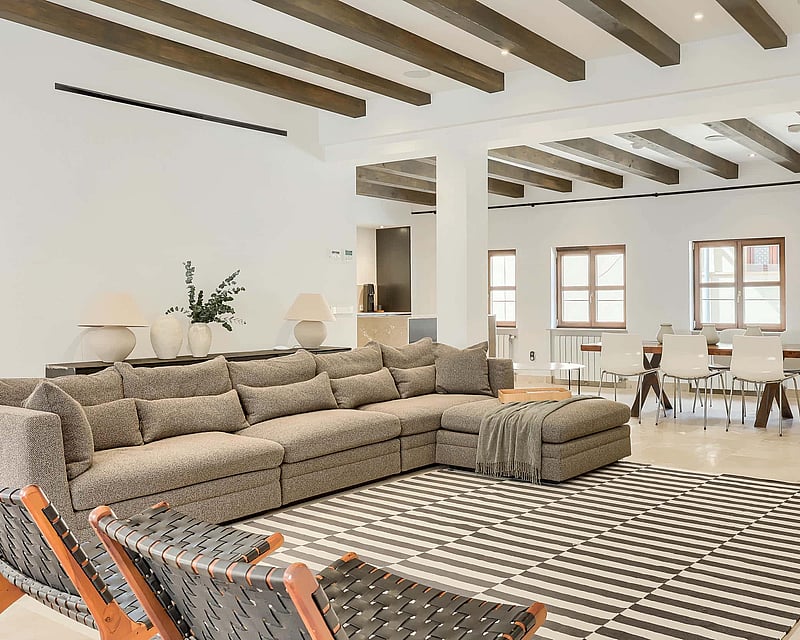
CALATRAVA TOWNHOUSE
Behind thick stone walls and an arched portal with medieval origins, this townhouse has been carefully reworked for modern life across four levels. Limestone fl
3 bedrooms · 4 bathrooms · 220 m²
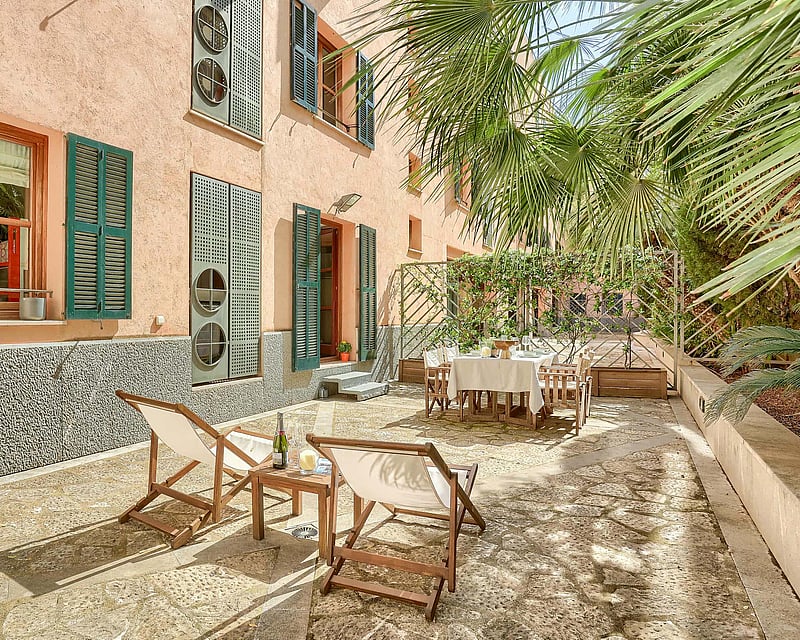
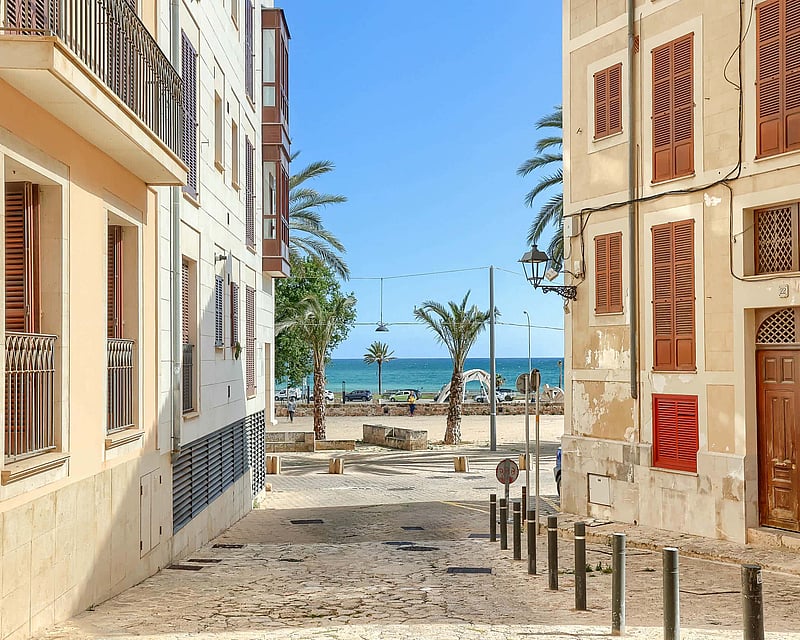
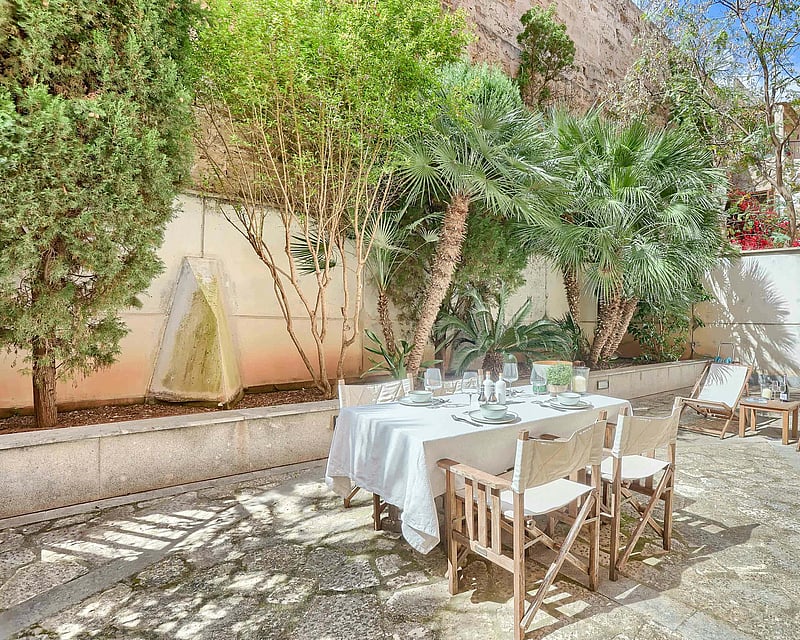
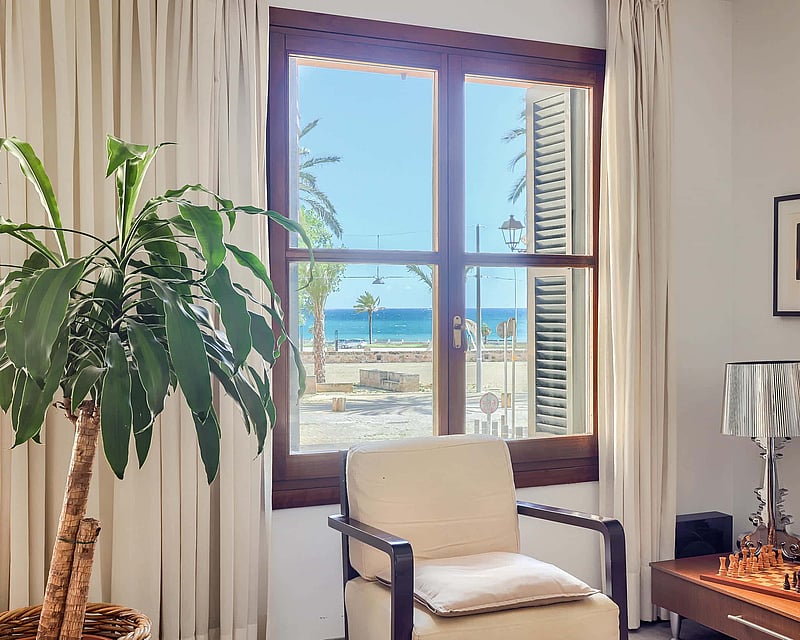
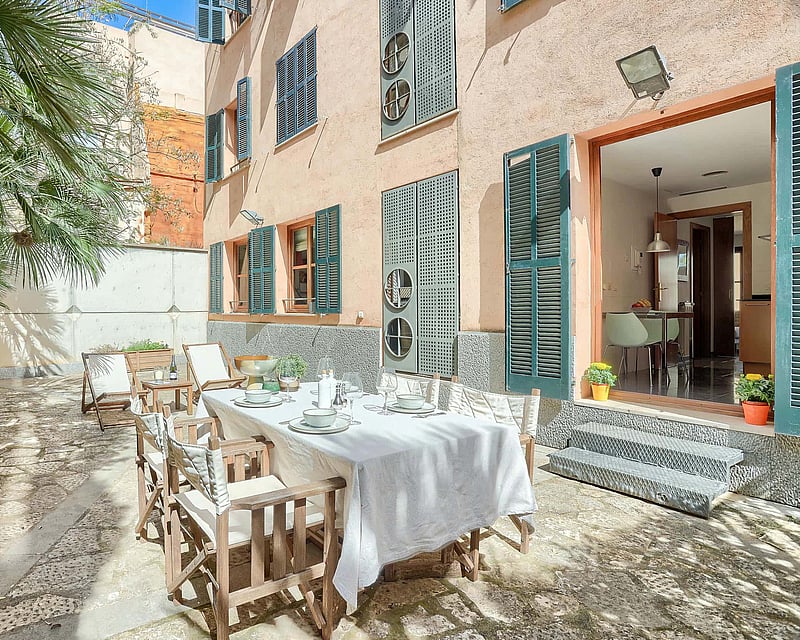
CALATRAVA APARTMENT
Set behind a quiet communal courtyard with a fountain, this three-bedroom apartment offers a combination that is hard to find in the centre of Palma: a private
3 bedrooms · 2 bathrooms · 164 m²
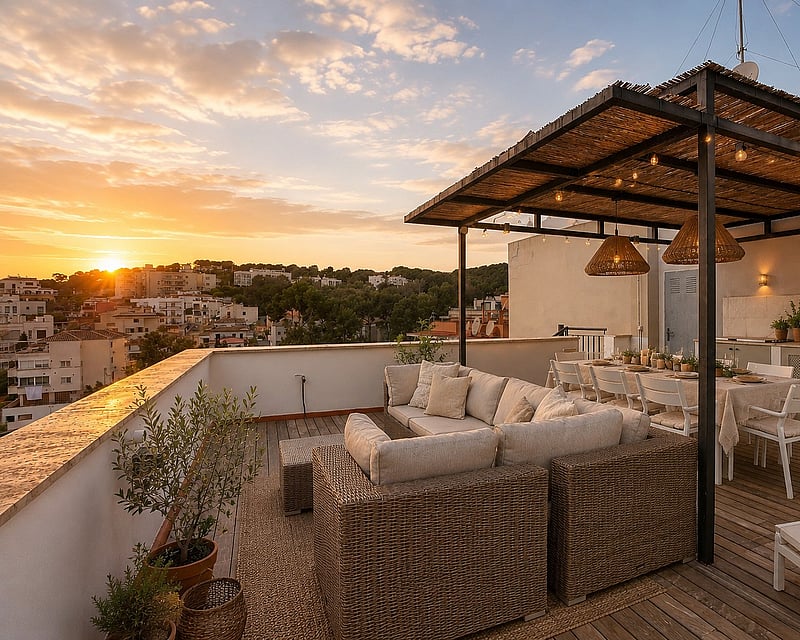
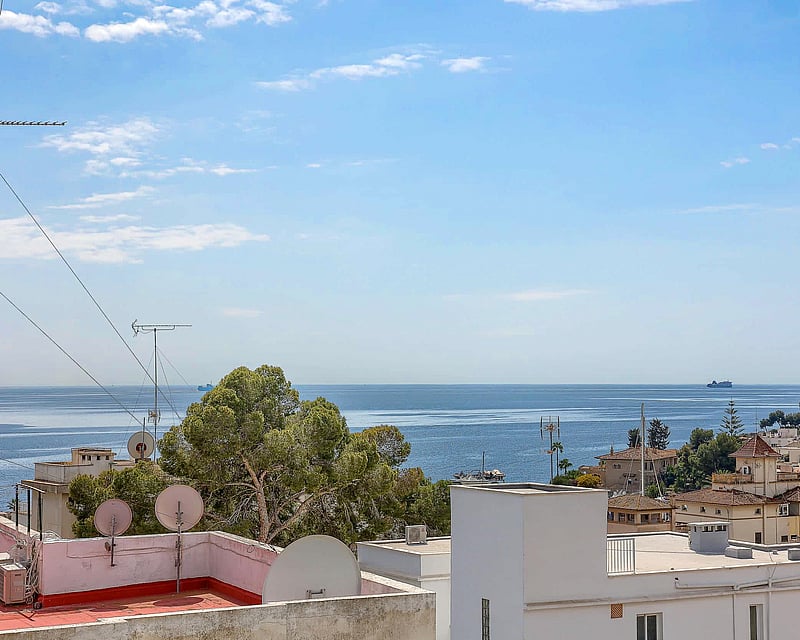
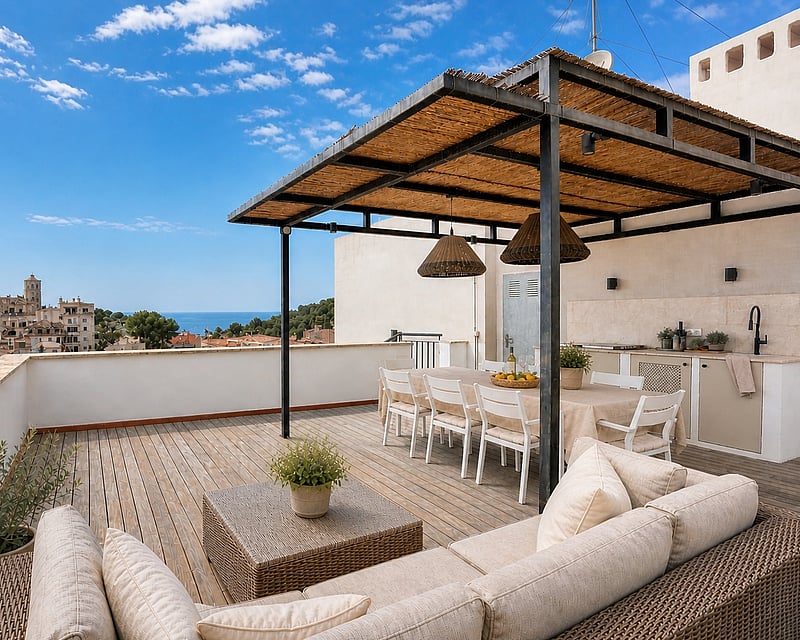
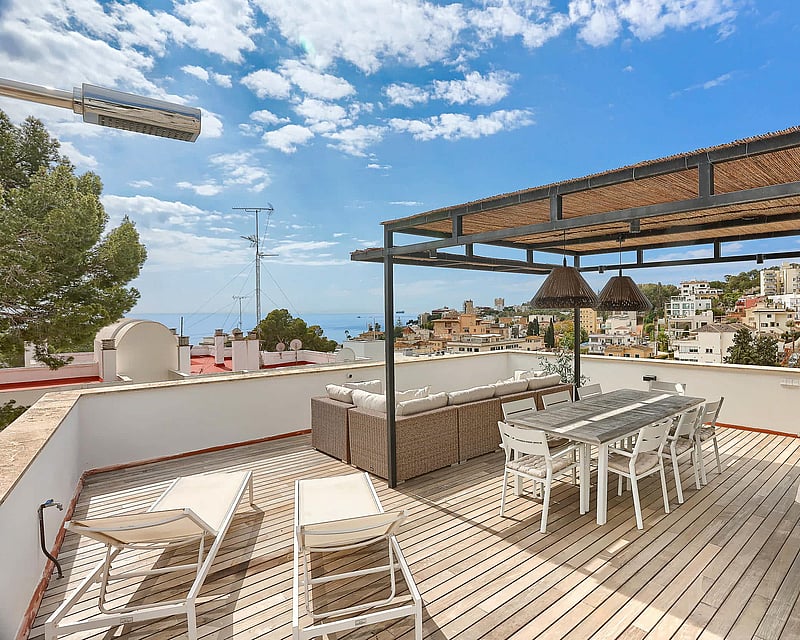
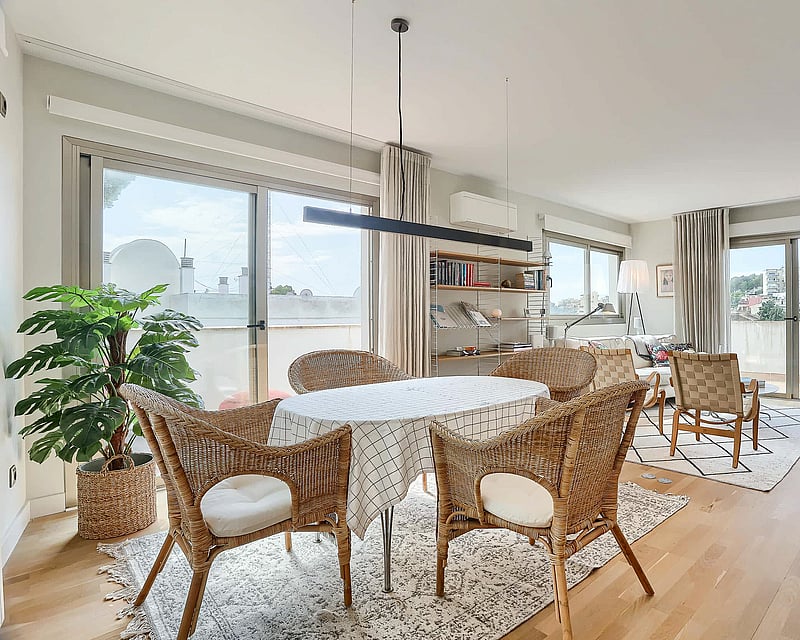
SAN AGUSTIN PENTHOUSE
Renovated throughout in 2023 and 2024, this three-bedroom duplex penthouse looks out over Cala Nova harbour and across the Bay of Palma. New wiring, air conditi
3 bedrooms · 3 bathrooms · 177 m²
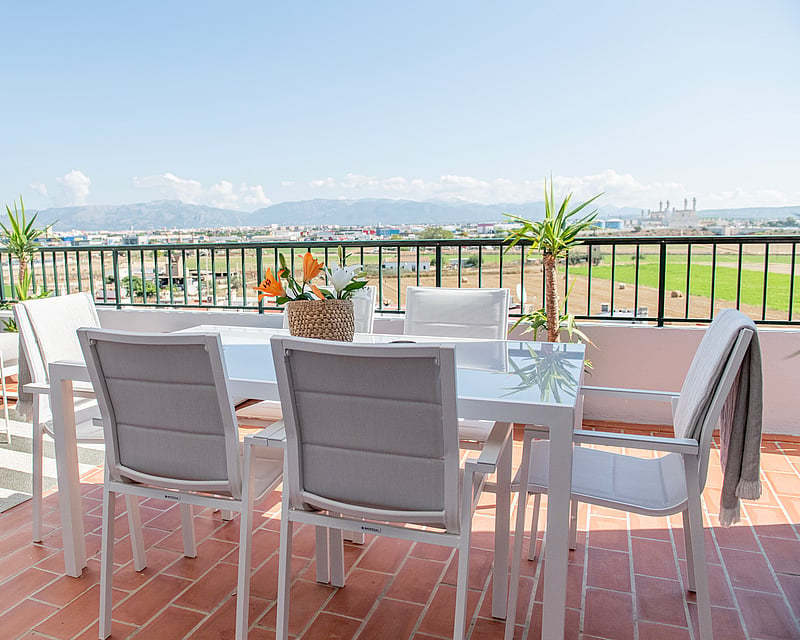
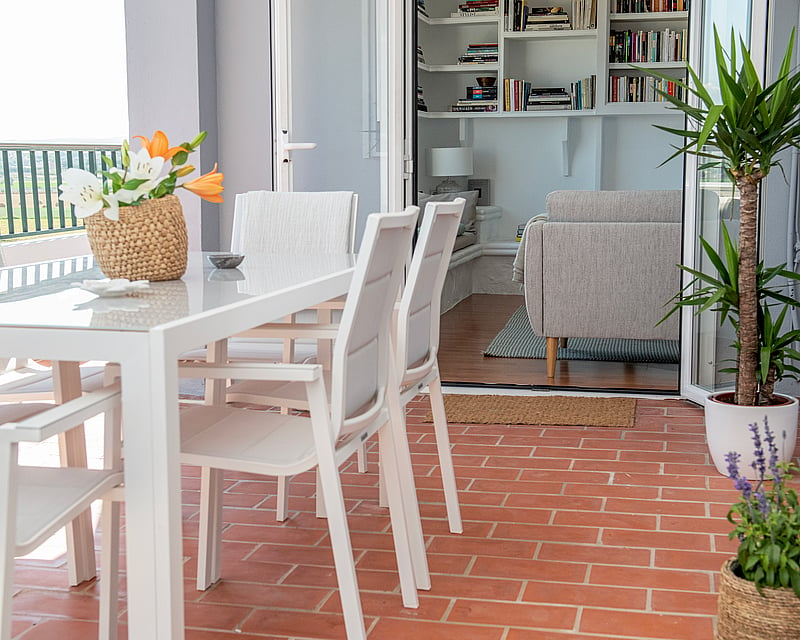
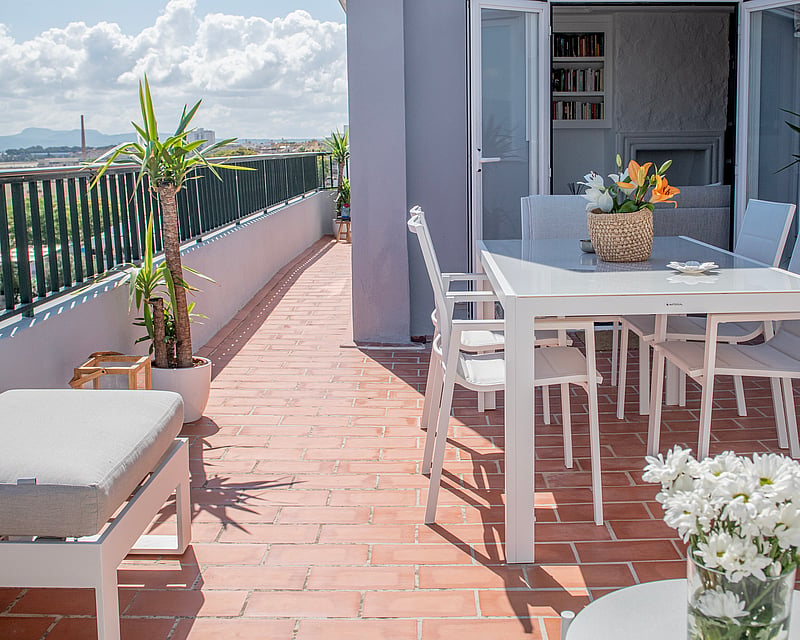
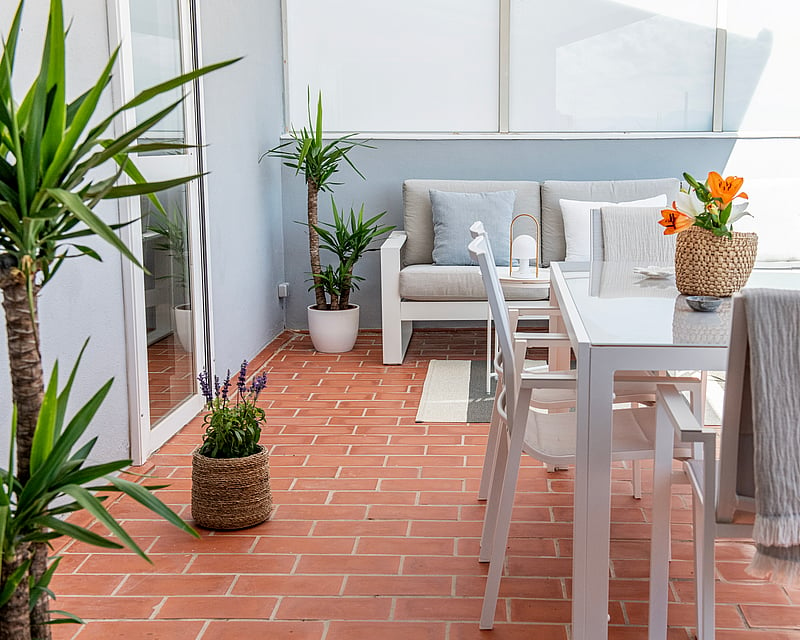
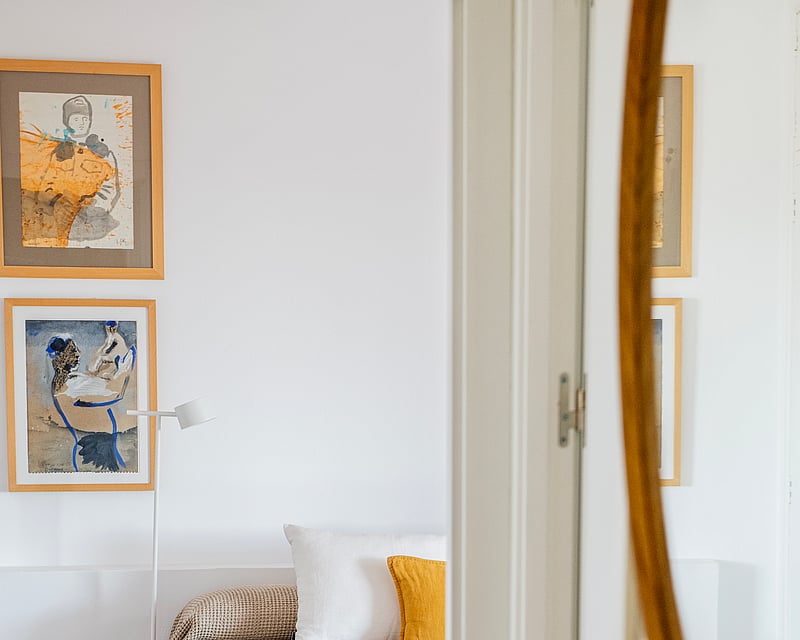
EL MOLINAR PENTHOUSE
Located in the sought-after coastal neighbourhood of Molinar, just moments from the sea, this beautifully renovated penthouse combines the relaxed elegan
2 bedrooms · 1 bathrooms · 90 m²
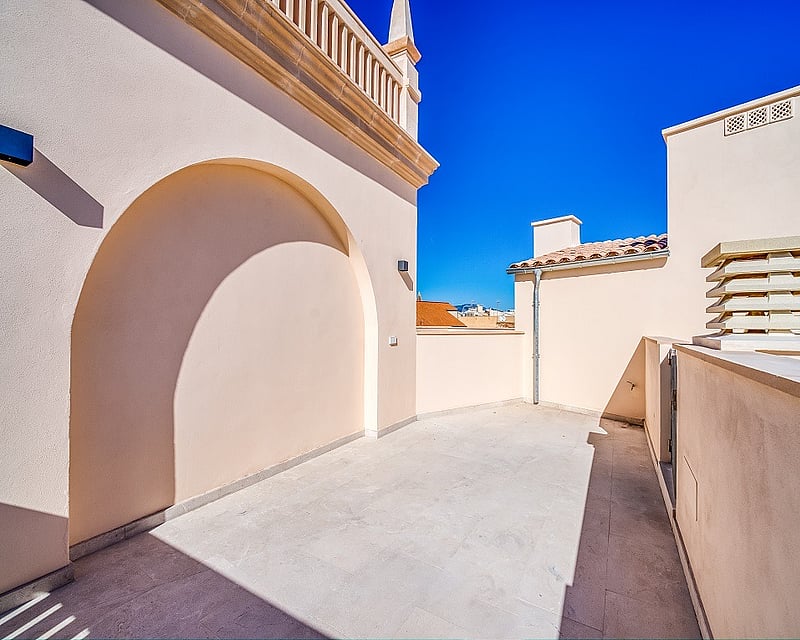
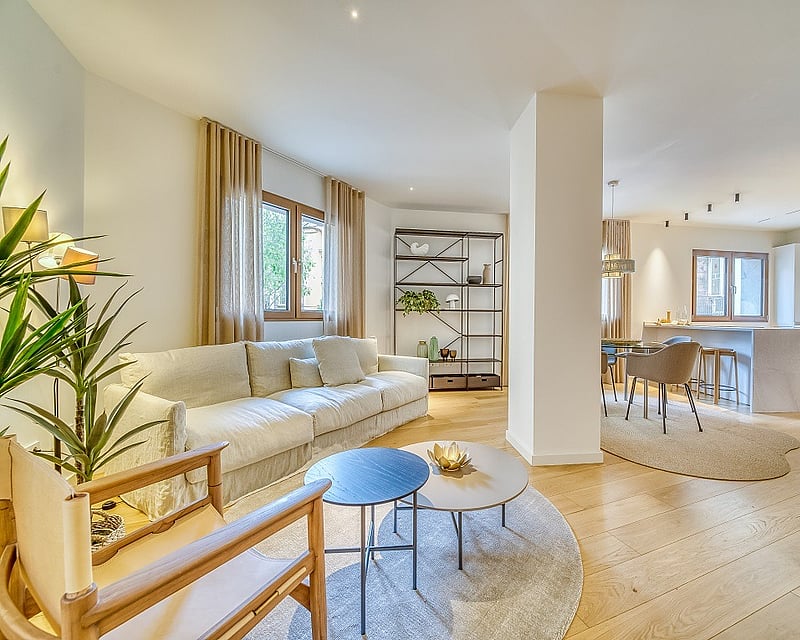
APARTMENT BALLESTER I
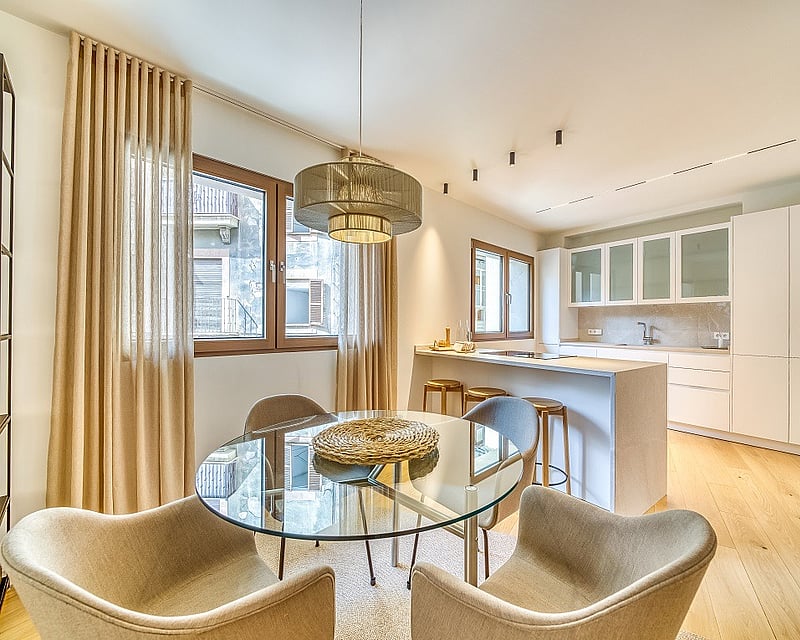
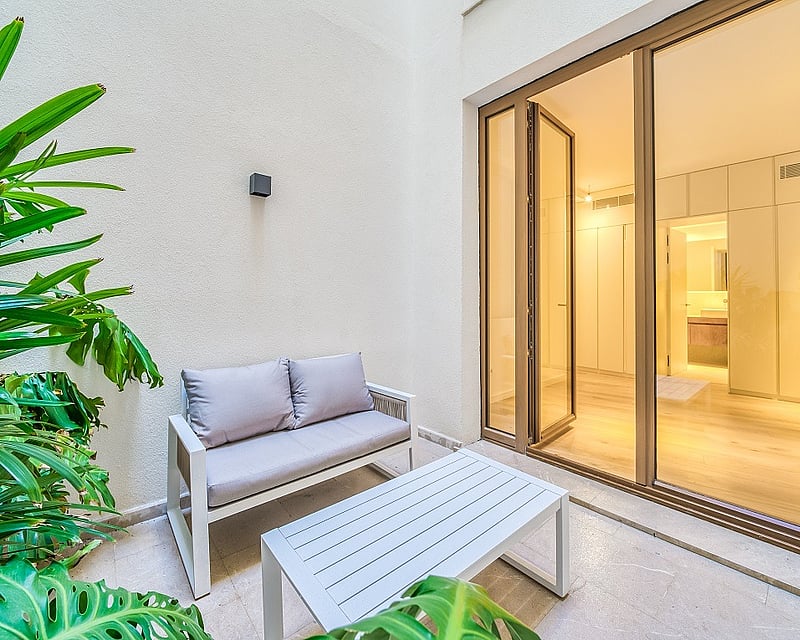
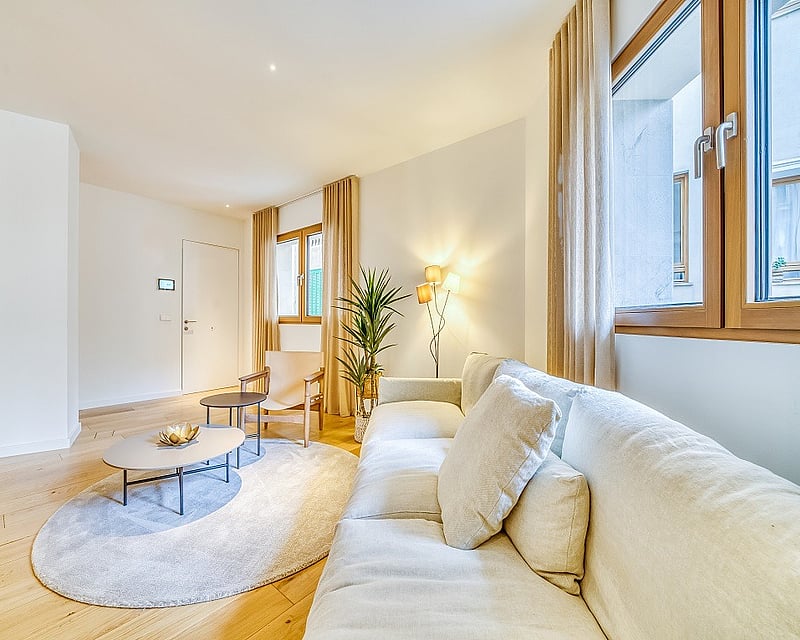
Completed in 2023, this first-floor apartment brings together generous proportions and a considered palette of natural materials. Oak parquet runs throughout, w
2 bedrooms · 2 bathrooms · 146 m²
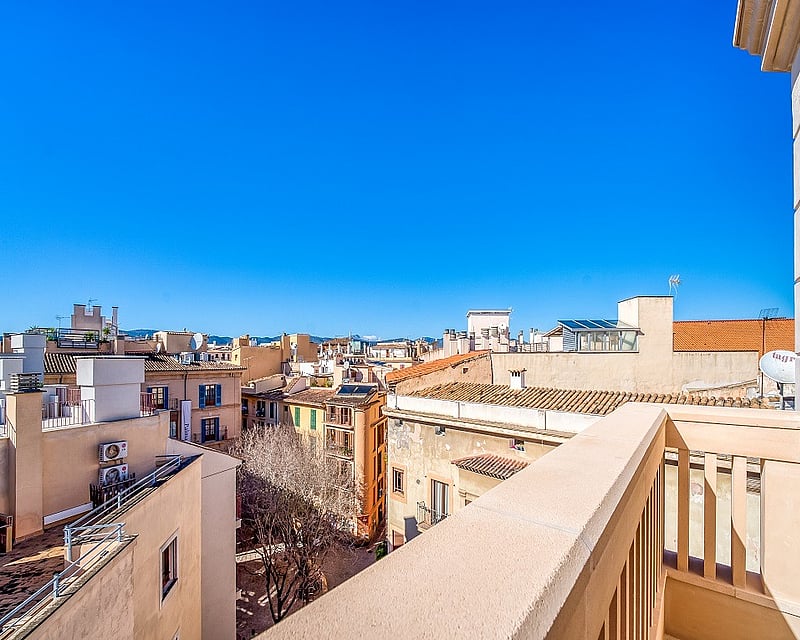
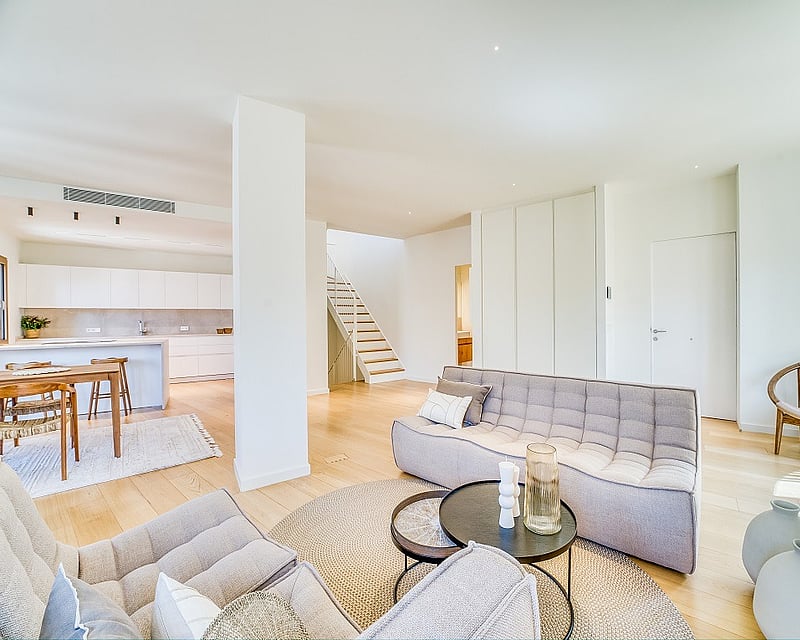
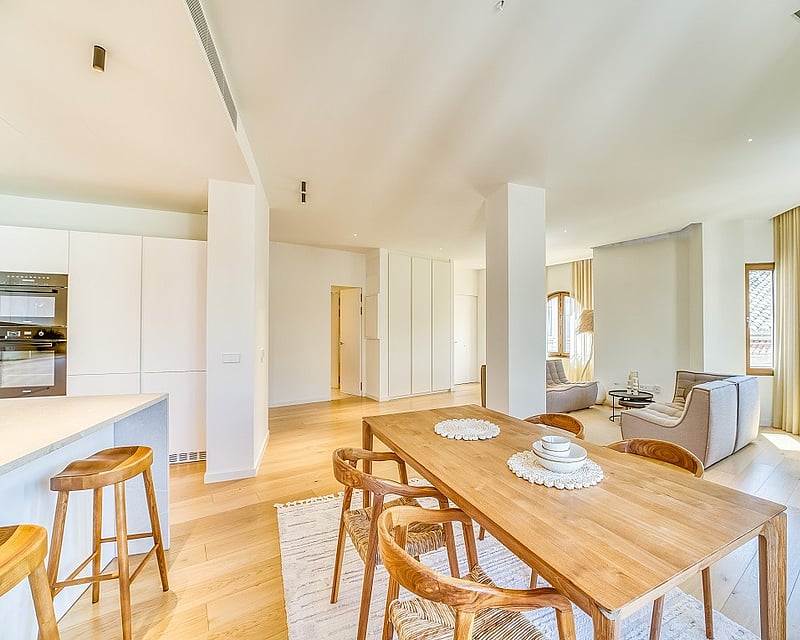
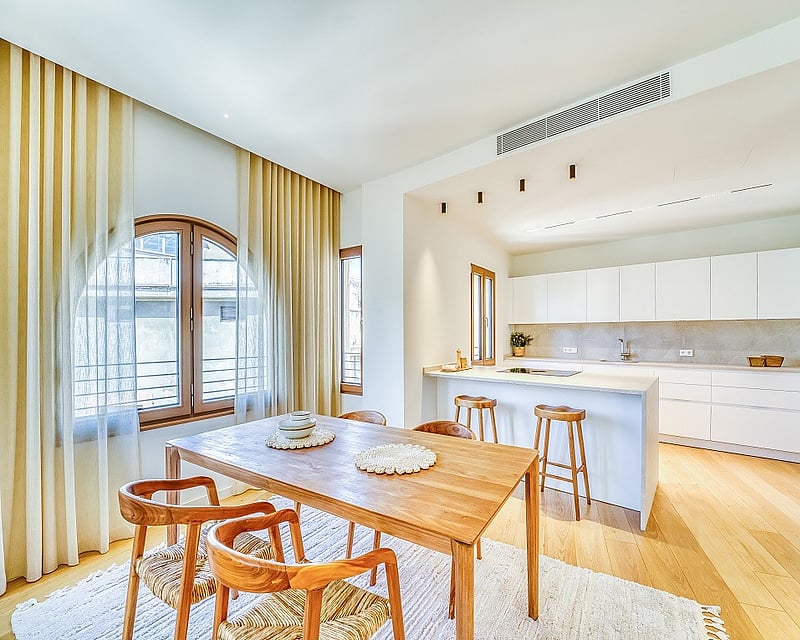
PENTHOUSE OLD TOWN
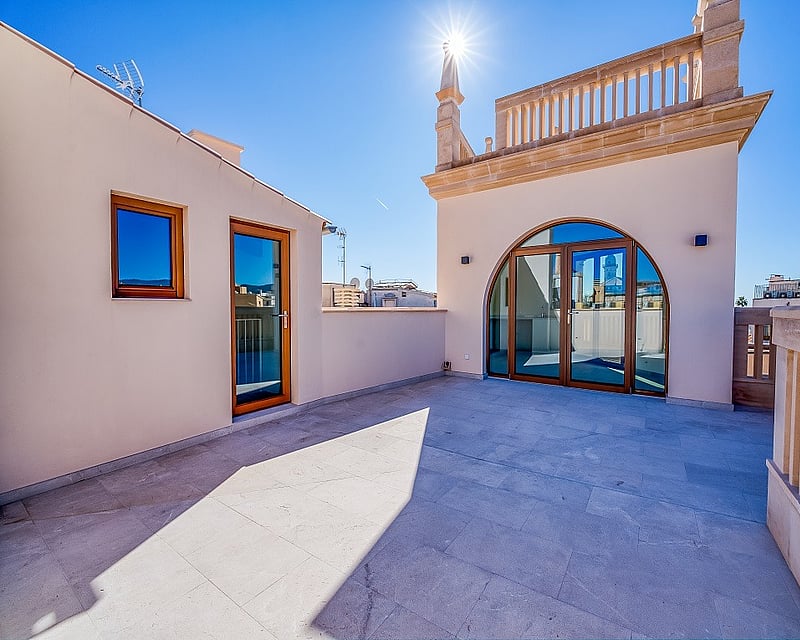
Set across the top two floors of a newly completed building, this duplex penthouse turns the usual layout upside down, placing the living spaces at the top wher
2 bedrooms · 3 bathrooms · 207 m²
Explore Mallorca's most coveted areas
Most guides to moving to Mallorca list appointments with officialdom. More useful is a look at the decisions behind them — any lawyer can sort your NIE number and town hall registration, but nobody can take the big calls for you. Our ten tips come from accompanying buyers who actually made the move, not from theory.
The short version of the first five: first, settle your tax residency before fixing the moving date — the 183-day rule allows no transition period. Second, rent for a winter in your preferred location before you buy; February shows every place more honestly than July. Third, choose the location around your daily life, not the holiday feeling: if you need the market, the school run and the airport every week, Palma or the southwest will serve you better than the loneliest dream cove. Fourth, do not underestimate renovation timelines — good tradespeople on Mallorca are booked ahead, and three to six months' lead time is normal. Fifth, build your local network before you need it: lawyer, tax adviser, property manager, doctor.
The remaining tips in the article cover school-place lead times, health insurance, re-registering your car, handling high season, and the question of how much of your household genuinely belongs on the island. In short: a move to Mallorca succeeds not through speed but through sequence.
Once you arrive, the priorities shift. The paperwork is ticked off faster than expected — what remains is logistics. Re-registering your car becomes compulsory after six months; keeping a bank account at home stays sensible, but standing orders and insurance policies belong on Spanish terms. Families notice quickly that the international schools in the southwest and the Eurocampus in Palma run waiting lists; the school-place search belongs at the start of the plan, not the end.
Daily life itself is less glamorous than the cliché: shopping at the weekly market — Wednesdays in Andratx, say, or Sundays in Santa Maria — sport through the winter half of the year when the island empties, and the realisation that Spanish opens doors English leaves shut. An evening language course before the move pays better than any packing crate. And plan August deliberately: spend high season on the island and you learn the back roads and quiet coves faster than any guidebook could teach you.
What are the first three steps when moving to Mallorca?
First, tax planning with advisers in both your home country and Spain — before you fix the moving date. Second, the NIE number and a Spanish bank account, most easily arranged through a lawyer with power of attorney. Third, a trial rental in your preferred location, ideally through a winter, before you buy. Everything else — registration, residency status, insurance — follows on almost of its own accord.
How expensive is life on Mallorca compared with northern Europe?
Mixed. Restaurants, local markets and services are often cheaper or comparable; electricity, imported goods and good tradespeople tend to cost more. The biggest line is housing — in the sought-after parts of Palma and the southwest, purchase and rental prices sit above big-city levels in Germany or the UK. If your budget was calibrated in Hamburg, Munich or London, surprises are rare.
What mistakes do new arrivals make most often?
Three classics: buying on the July holiday feeling and discovering in February that the resort has emptied; ignoring the 183-day rule and becoming tax resident unplanned; and scheduling renovations without local experience — trade lead times and permit timelines run longer than at home. All three are avoided by getting the sequence right and renting before you buy.
Does the move work with school-age children?
Yes, and well — given lead time. The southwest and Palma offer several international schools with British or multilingual curricula, plus a German stream in Palma. The most in-demand schools keep waiting lists; allow six to twelve months. Many families choose the school first and then look for a home within its catchment.