The Best Areas of Palma de Mallorca · A Luxury Neighbourhood Guide
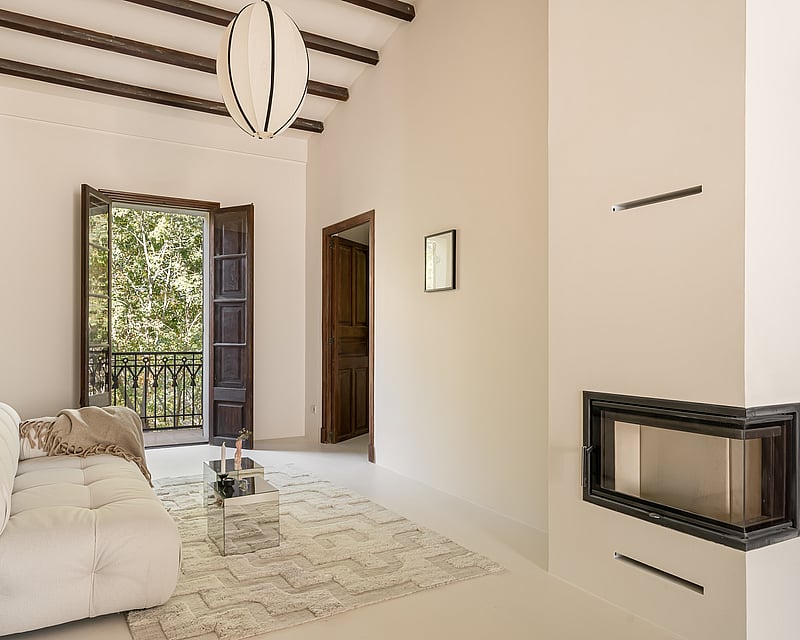
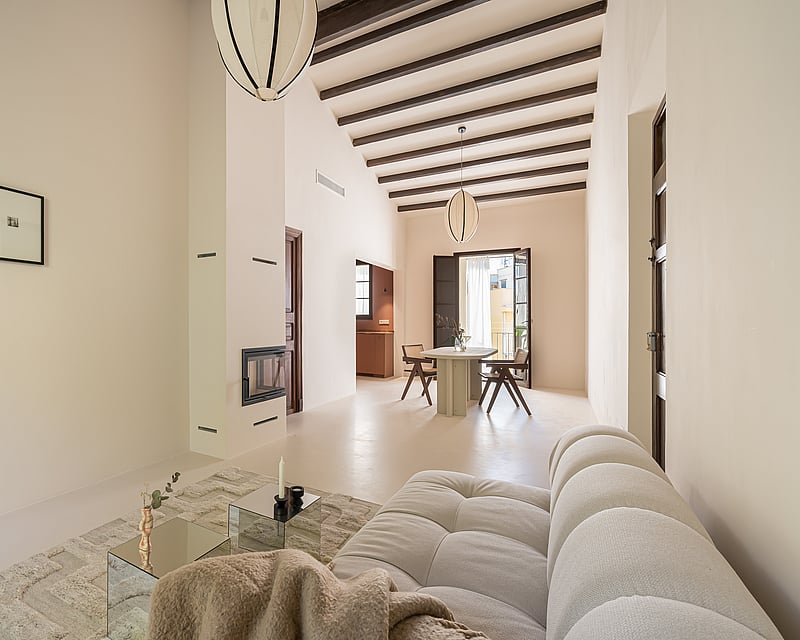
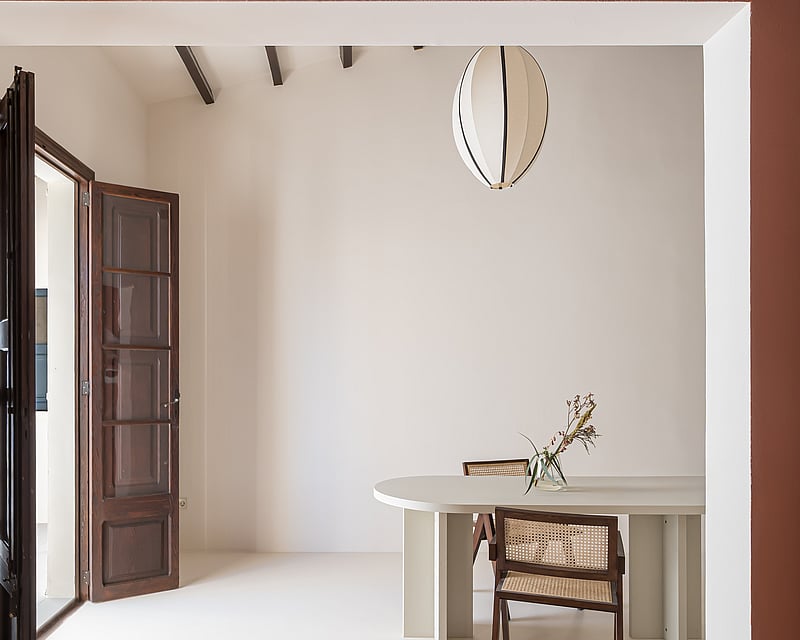
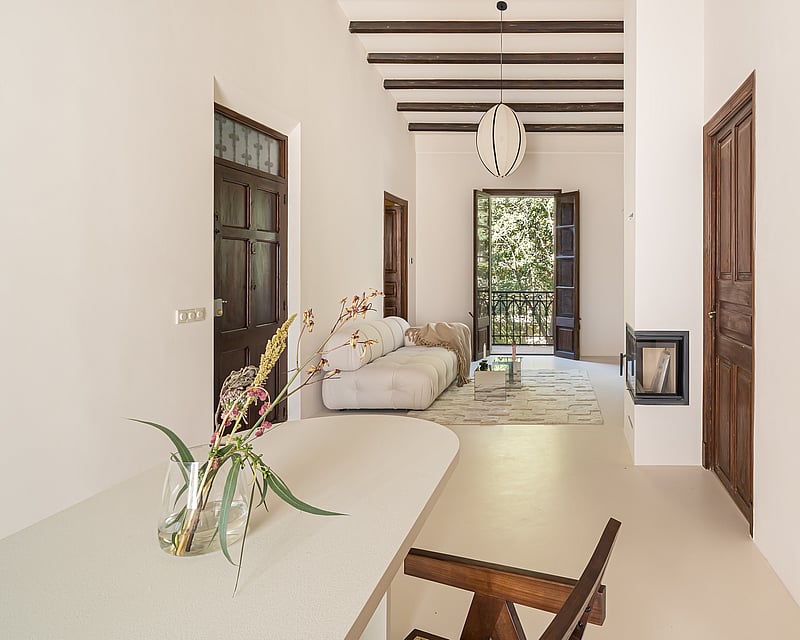
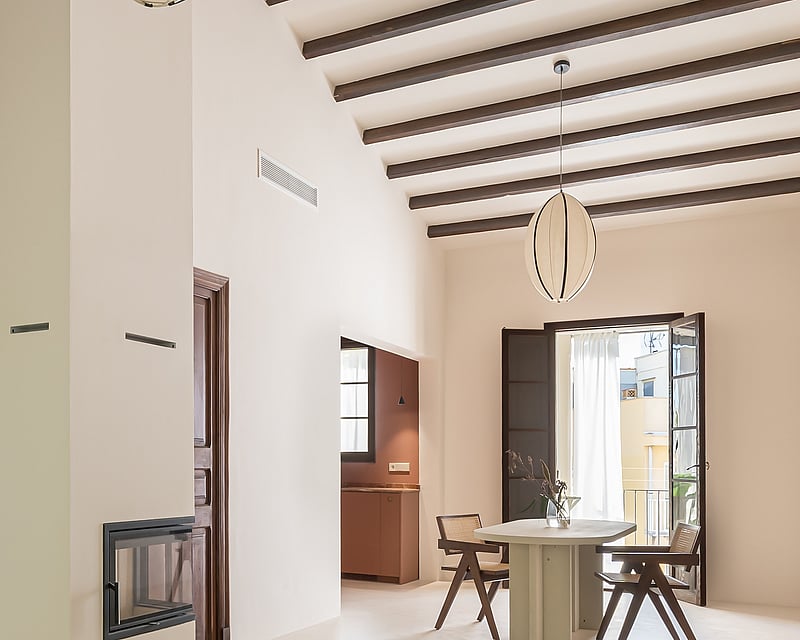
CASA ARXIDUC
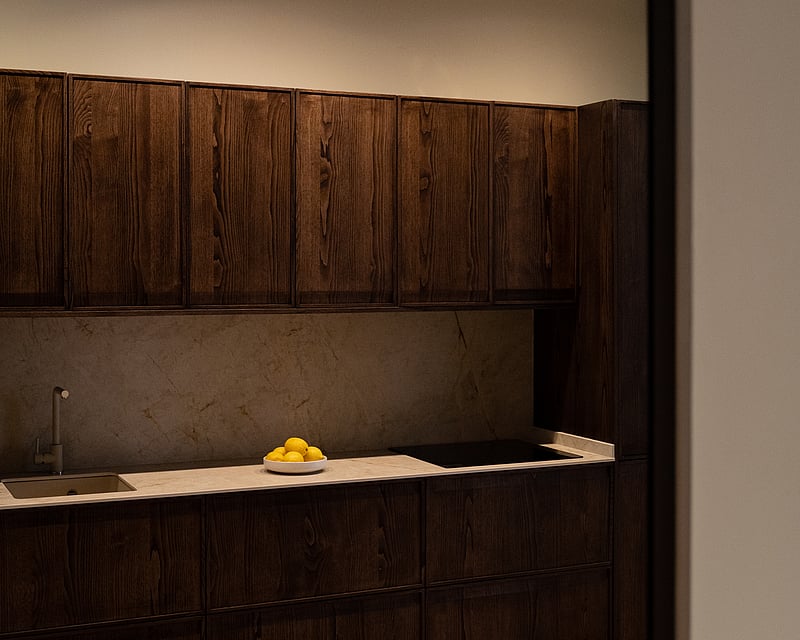
Clean architectural lines, generous proportions and an exquisitely curated palette of natural materials define the interiors. Original exposed timber beams and
2 bedrooms · 2 bathrooms · 73 m² · 92 m²
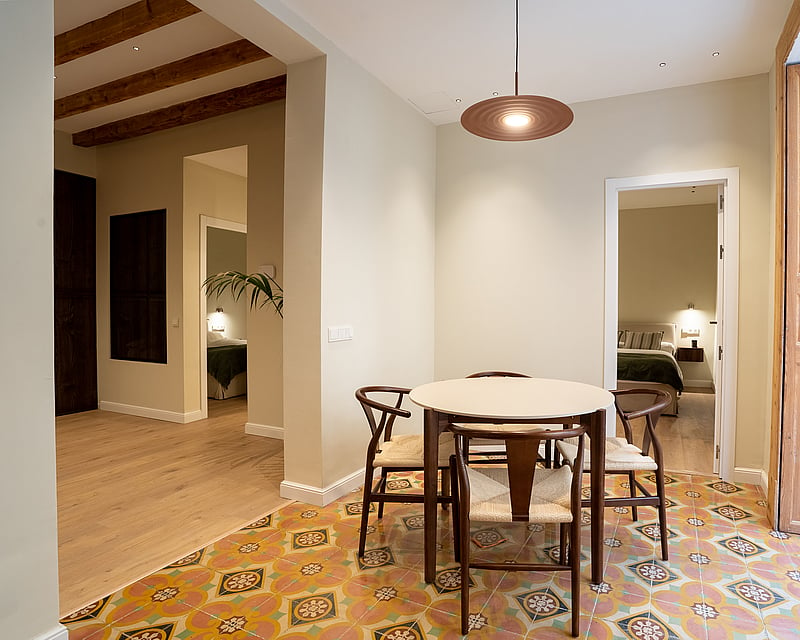
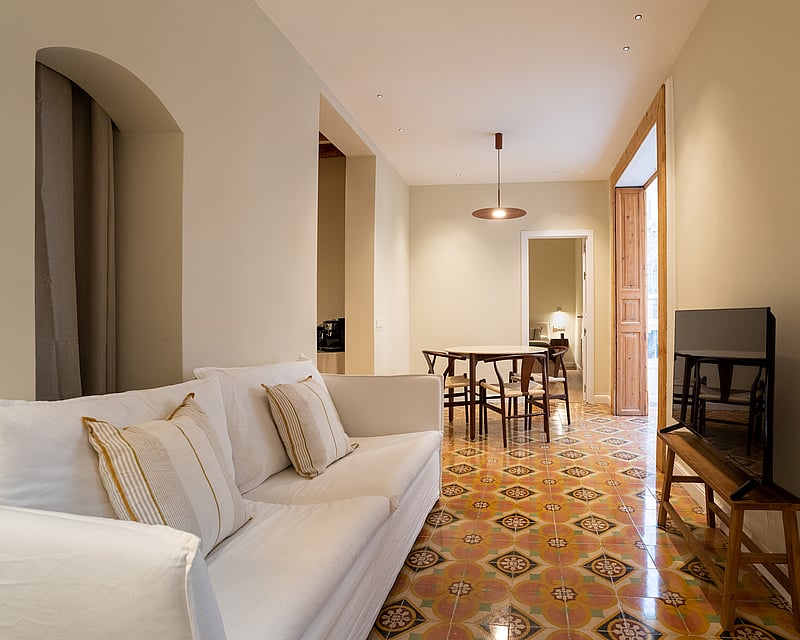
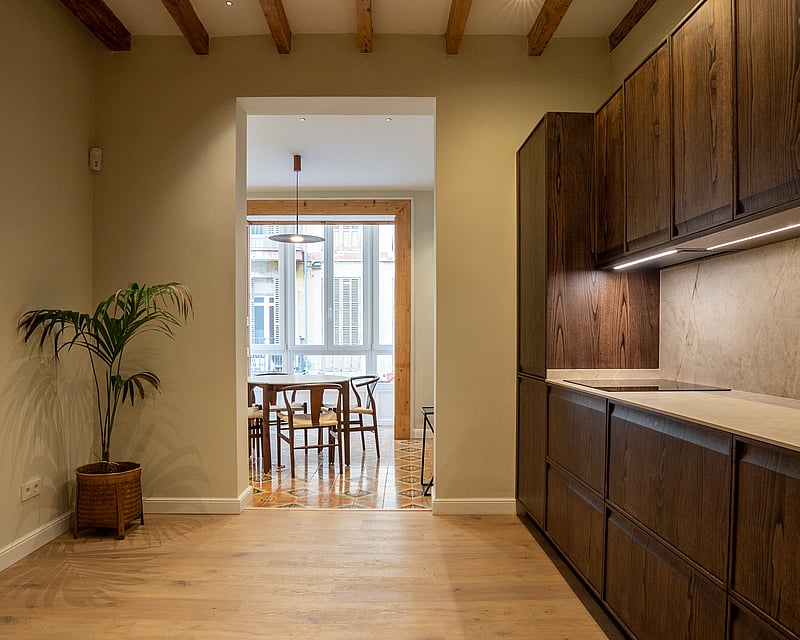
CASA ARTISAN
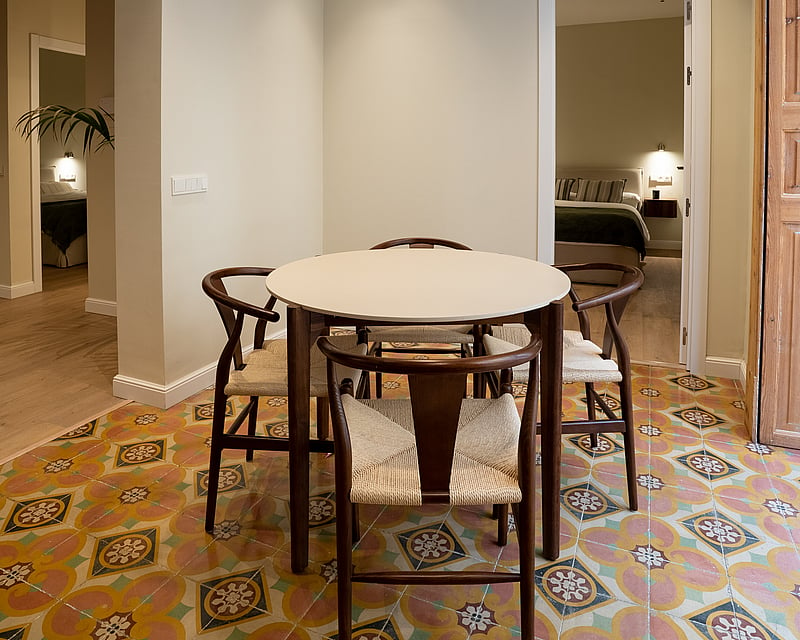
Offering 75 m² of living space, the property features two bedrooms and two bathrooms, thoughtfully designed to balance everyday comfort with modern elegance. Th
2 bedrooms · 2 bathrooms · 75 m²
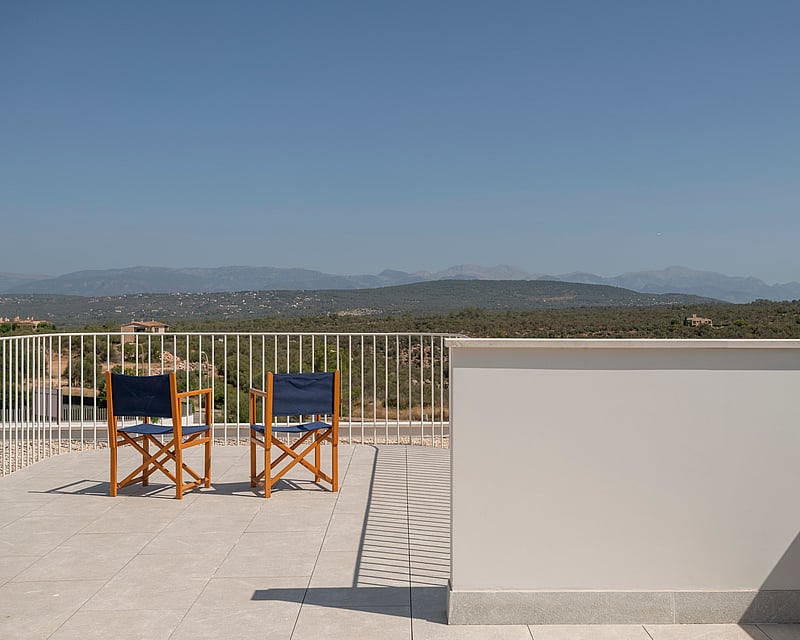
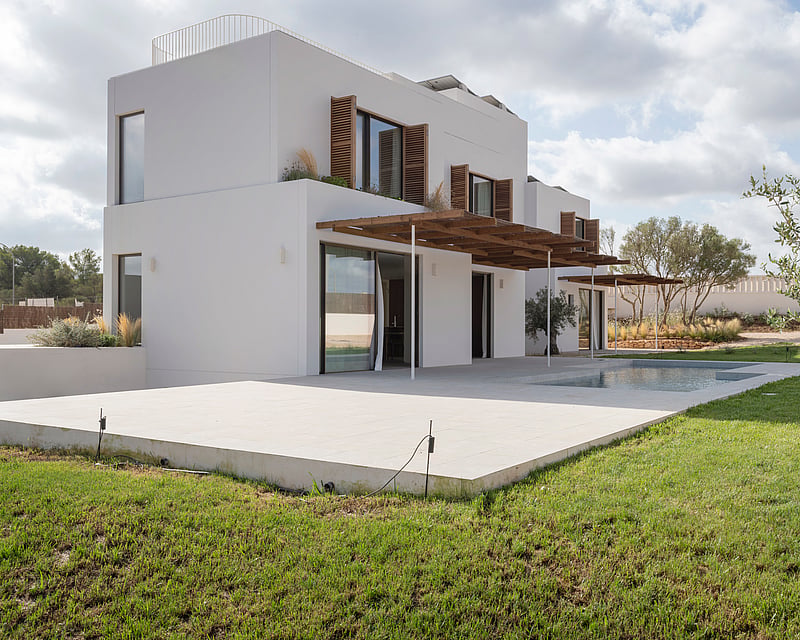
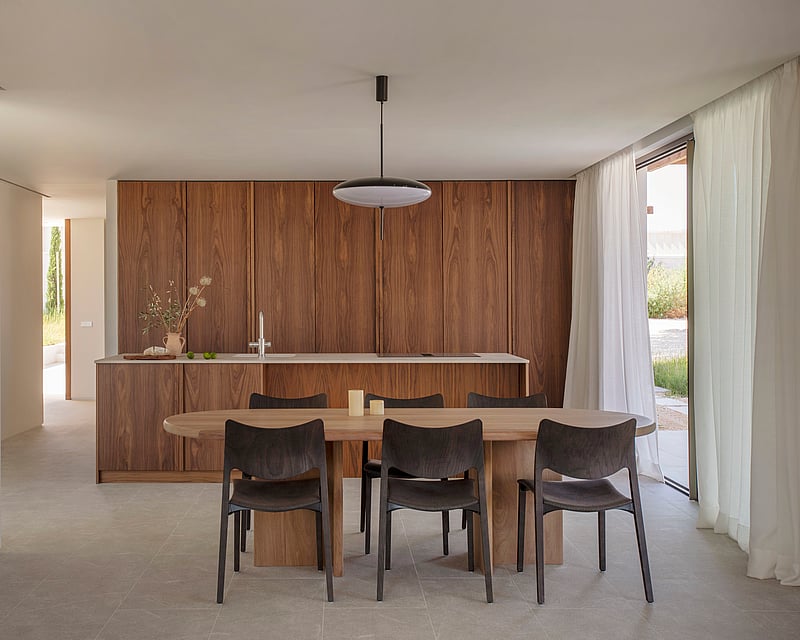
INTRODUCING SON GUAL II
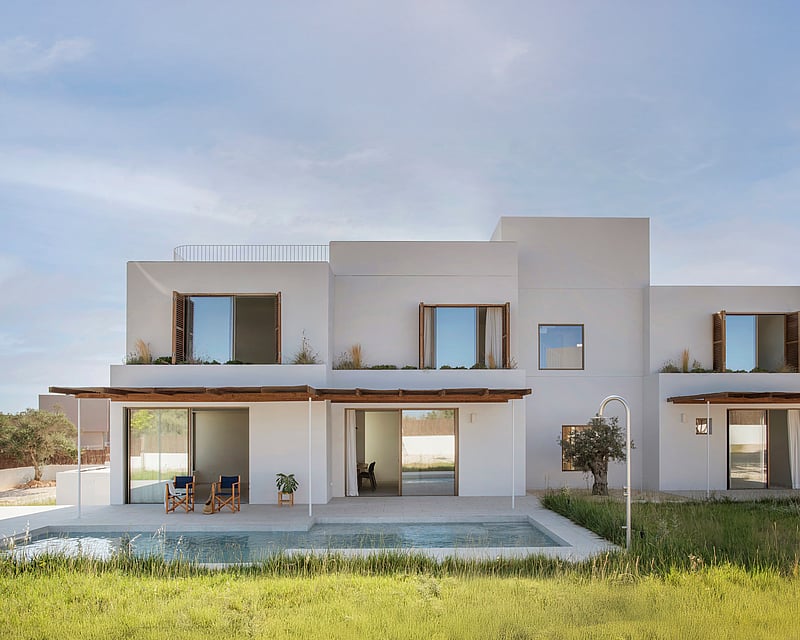
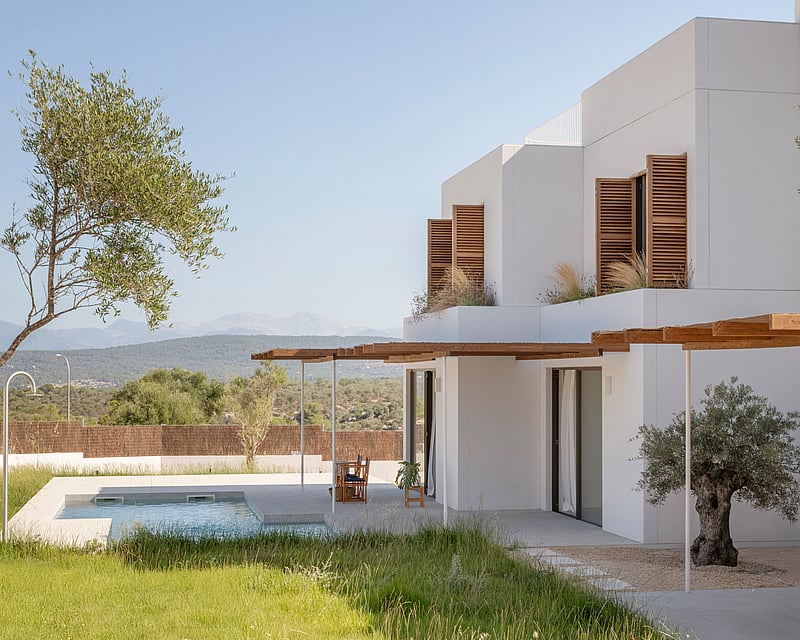
Completed in 2025 and delivered fully furnished, this 396 m² villa sits on a 2,001 m² plot within the gated, elevated urbanisation of Son Gual II, fifteen minut
4 bedrooms · 3 bathrooms · 396 m² · 2000 m²
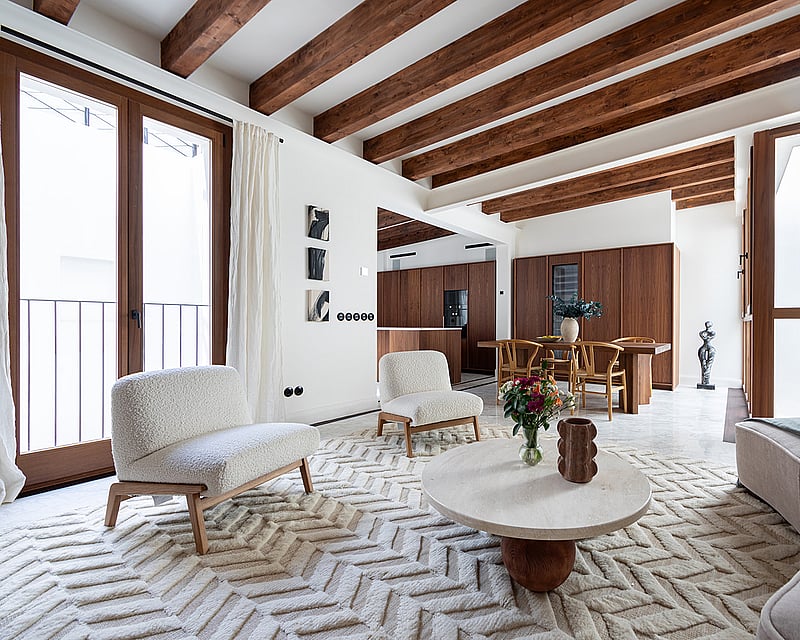
PENTHOUSE BOSSERIA
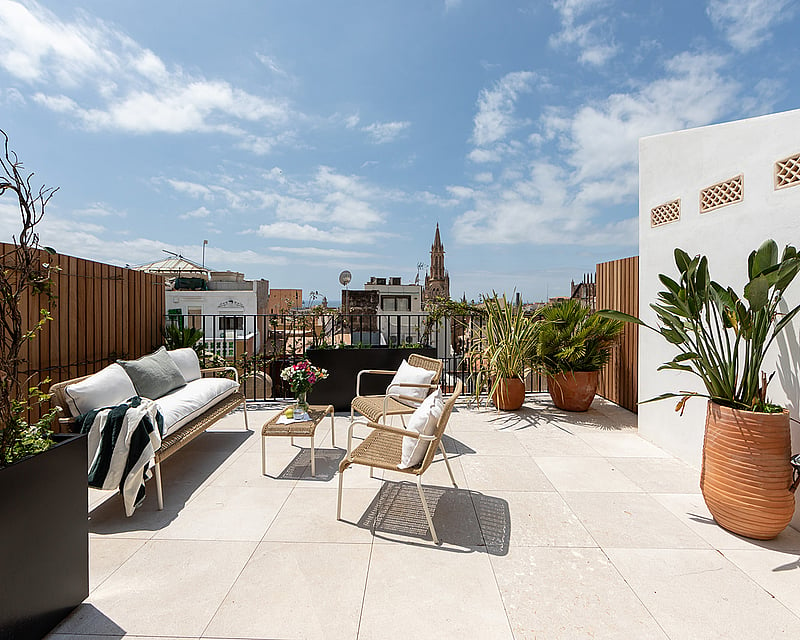
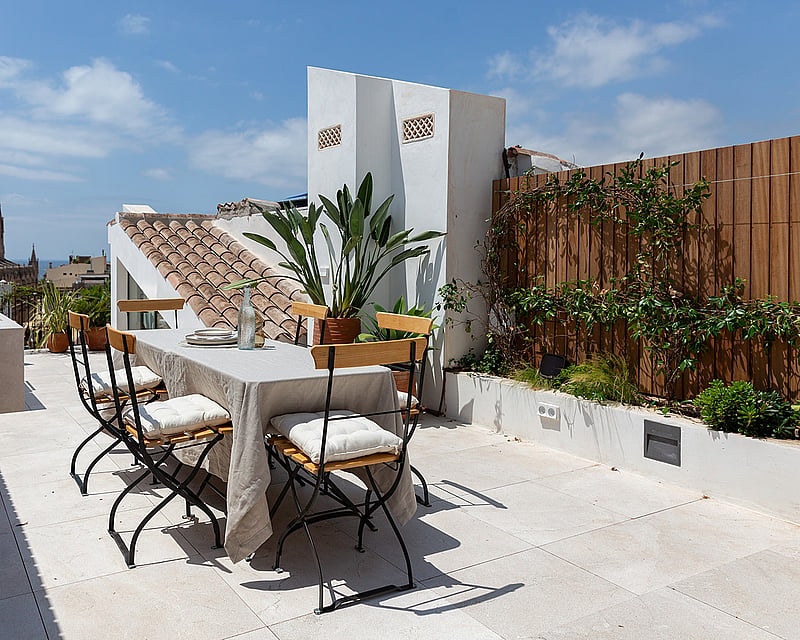
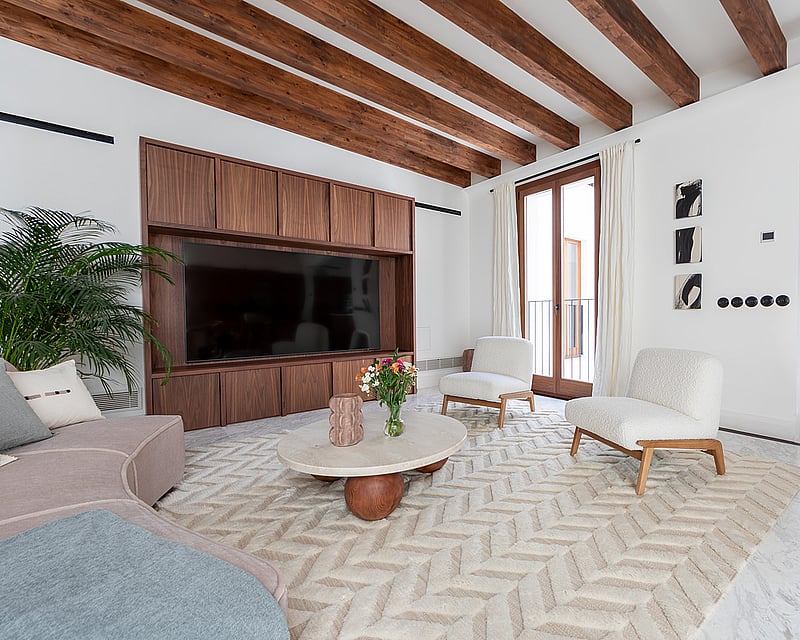
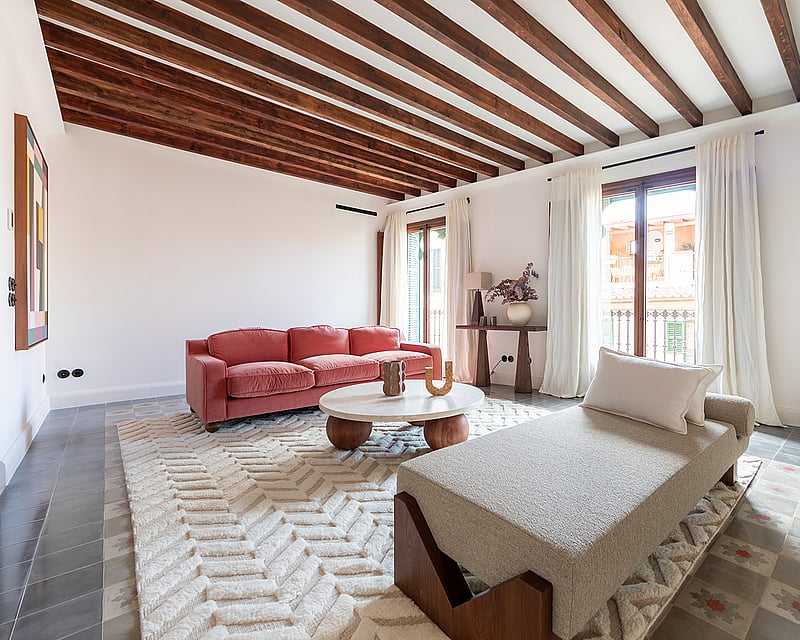
Set across the top two floors of a handsome historic building in Palma's Old Town, this three-bedroom duplex penthouse is a considered balance of period archite
3 bedrooms · 3 bathrooms · 243 m² · 318 m²
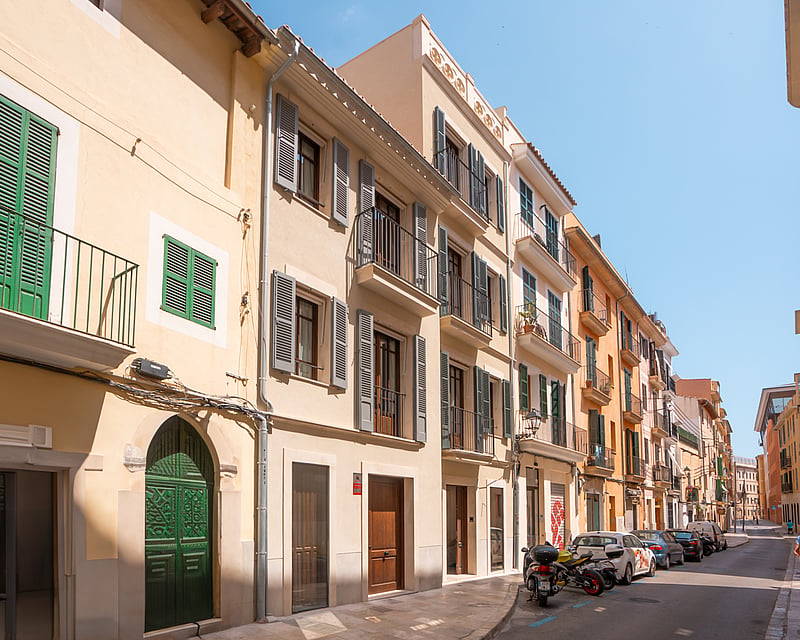
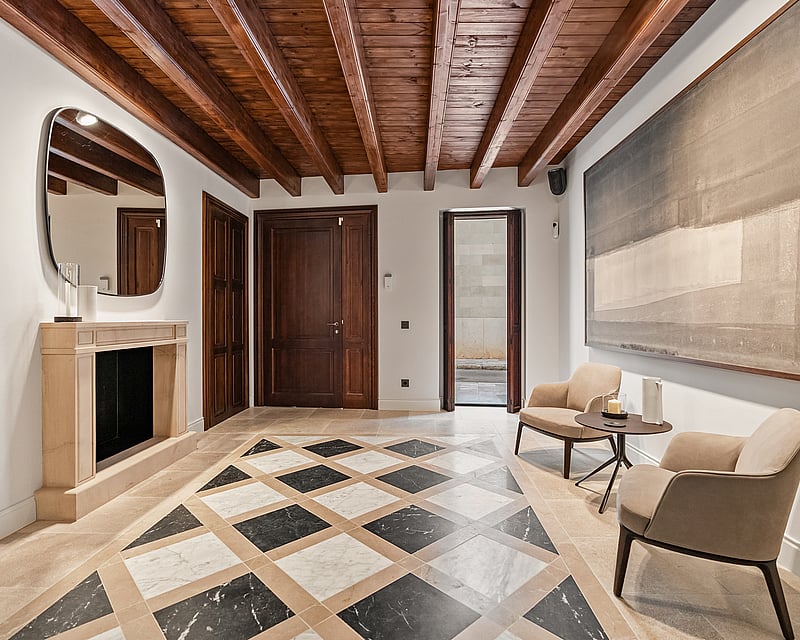
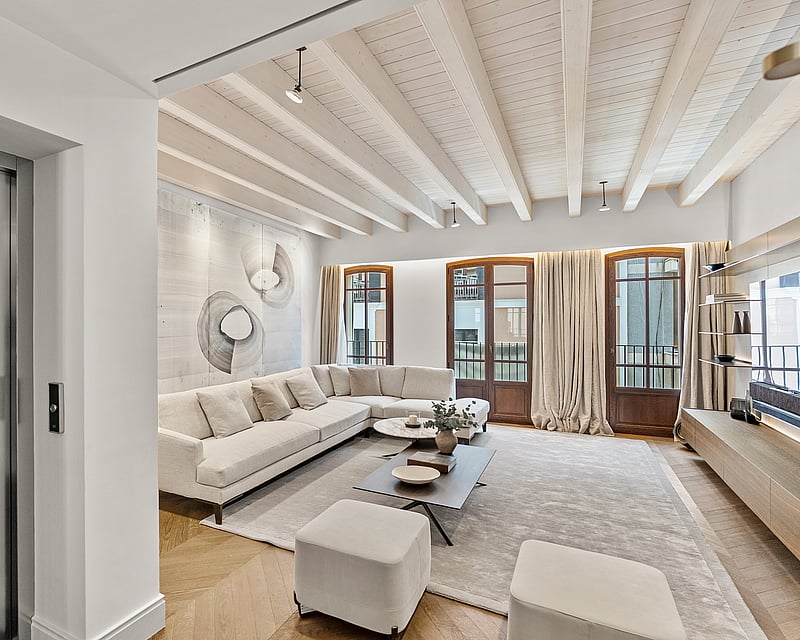
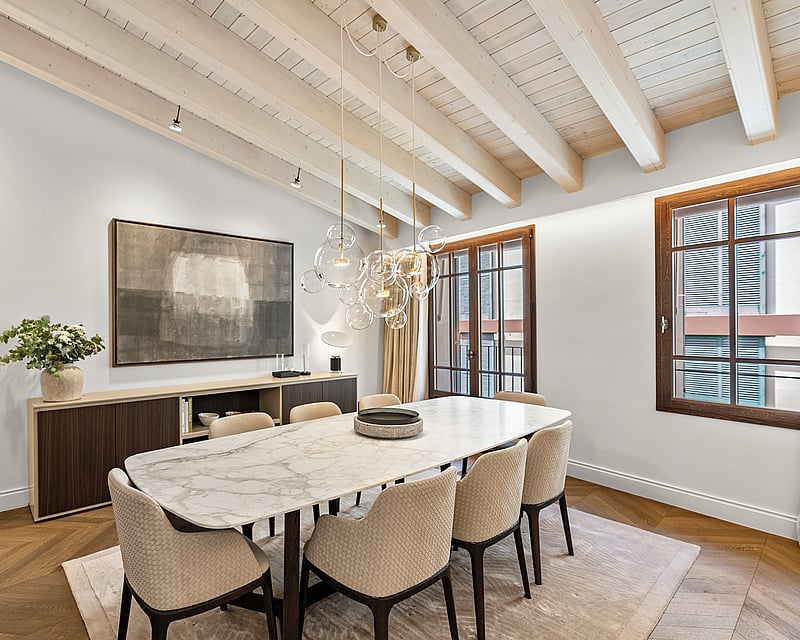
TOWNHOUSE RAIMUNDO IN PALMA CITY CENTER
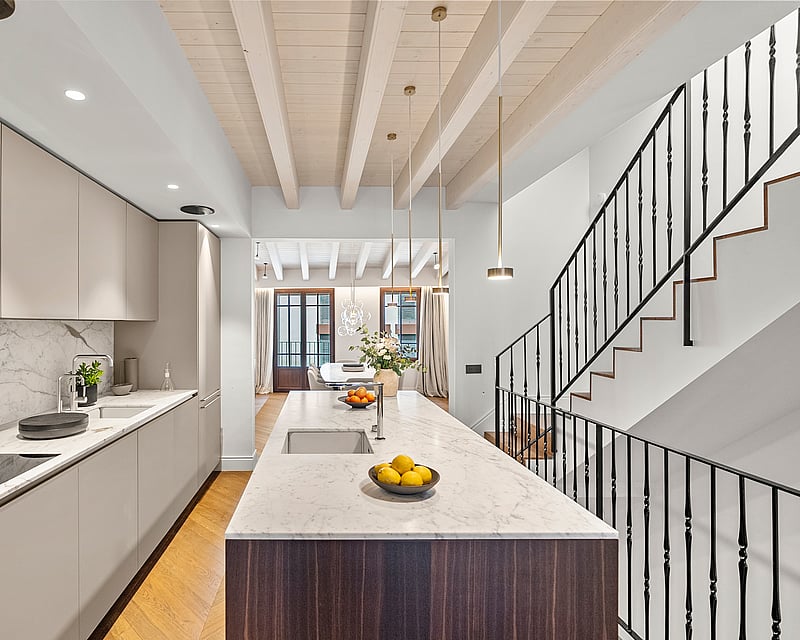
This exceptional townhouse in the heart of Palma represents a masterclass in Mediterranean restoration, where historical character meets sophisticated modern li
3 bedrooms · 3 bathrooms · 275 m² · 323 m²
Explore Mallorca's most coveted areas
Choosing between the areas of Palma de Mallorca is the first serious decision of any purchase in the capital, and the hardest to correct afterwards. Palma is compact but very uneven: a fifteen-minute walk takes you from a Gothic palace in Calatrava to a fisherman's cottage in Portixol, and each neighbourhood imposes a different daily life.
This guide condenses what we tell our clients at the first meeting: what the neighbourhoods of Palma with a genuine luxury market offer — the Old Town, Santa Catalina, Portixol and Es Molinar, Son Vida, Génova and La Bonanova — what each of them costs, and above all which kind of life each choice corresponds to. The best areas of Palma are not the same for a family with children, a couple who sail, and someone who works remotely and eats out four nights a week.
Home Finder Mallorca maintains a curated selection from €800K across all these neighbourhoods. Our opening advice is always the same: before looking at houses, decide what you want an ordinary Tuesday in November to look like. The right neighbourhood answers that question; the house comes afterwards.
The Old Town: between La Lonja and Calatrava, palaces with courtyards, penthouses with the Cathedral for a neighbour, and the best historic stock in the Balearics. Santa Catalina: the former fishing quarter, today the gastronomic epicentre around its 1920 market; reformed village houses and boutique new builds. Portixol and Es Molinar: the eastern seafront, a waterside promenade with the centre a bicycle ride away and fiercely contested front-line cottages.
Up the hill, Son Vida: the villa estate, with three golf courses, its own security and large plots ten minutes from the Born. And to the west, Génova and La Bonanova: residential hillsides with views over the bay, Génova's grill restaurants, and prices somewhat gentler than in the star neighbourhoods.
The quick rule: life on foot and restaurants — Santa Catalina or the Old Town; the sea at your door — Portixol; a plot, silence and a car — Son Vida; views on a tighter budget — Génova. From there the fine-grained work begins, street by street.
How do prices differ between areas?
Considerably. In Santa Catalina and the Old Town, good reformed stock is usually offered from €800,000, and singular penthouses exceed €3 million. Portixol pays a front-line premium: the cottages by the promenade rival the best of the centre on price per square metre. Son Vida plays in another league, with villas commonly between €3 and €10 million. Génova and La Bonanova offer comparable views for more contained budgets.
Which area of Palma is best for families?
It depends on the school and on space. Son Vida is the classic option: a plot, a pool, security and the southwest's international schools 15–20 minutes away. Génova and La Bonanova offer more affordable houses with gardens and a good run to the same schools. Within the centre, Santa Catalina works with small children thanks to its village scale, though with fewer square metres and no garden. The daily school logistics usually decide the area.
Where do you buy the best sea views?
Portixol and Es Molinar put the sea literally at the door, with the promenade between the house and the water. For panoramic views of the bay, the hillsides of Génova, La Bonanova and upper San Agustín are the natural candidates. In the centre, the high penthouses of Santa Catalina and the edge of the Passeig Marítim give you harbour and Cathedral. A bay panorama and the sea on foot rarely coincide: it pays to choose which matters more.
In which areas can you live without a car?
Santa Catalina and the Old Town are the genuinely walkable neighbourhoods: market, restaurants, local schools and the Born, all on foot. Portixol works very well by bicycle along the sea promenade, with the centre ten minutes' pedalling away. In Génova, La Bonanova and above all Son Vida, the car is part of the contract: you gain space and silence in exchange for driving everywhere. That is Palma's central trade-off.