Mallorca Luxury Real Estate Market Report 2026 · Prices, Trends & UHNWI Demand
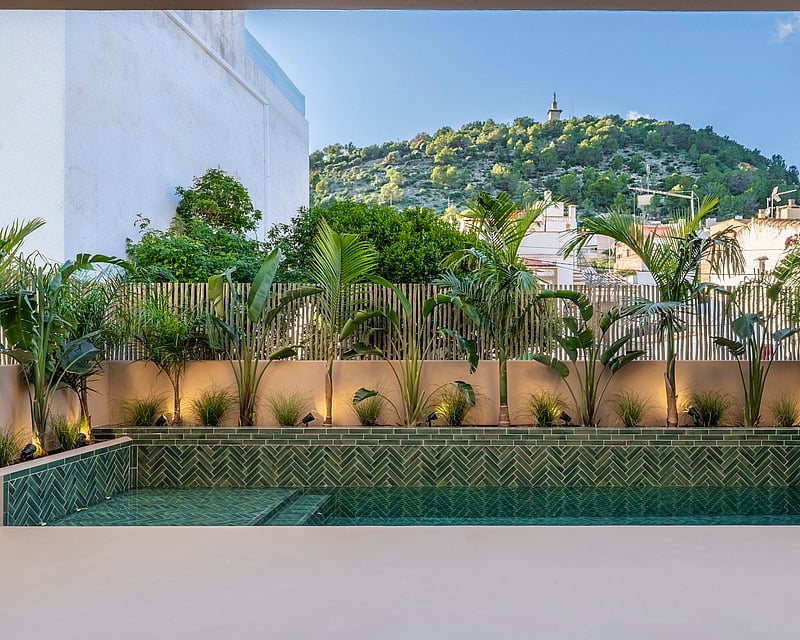
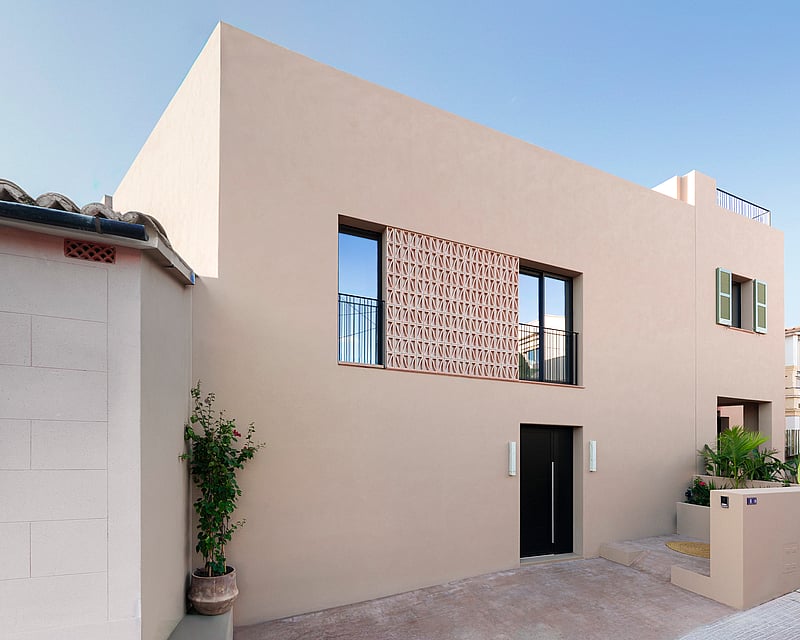
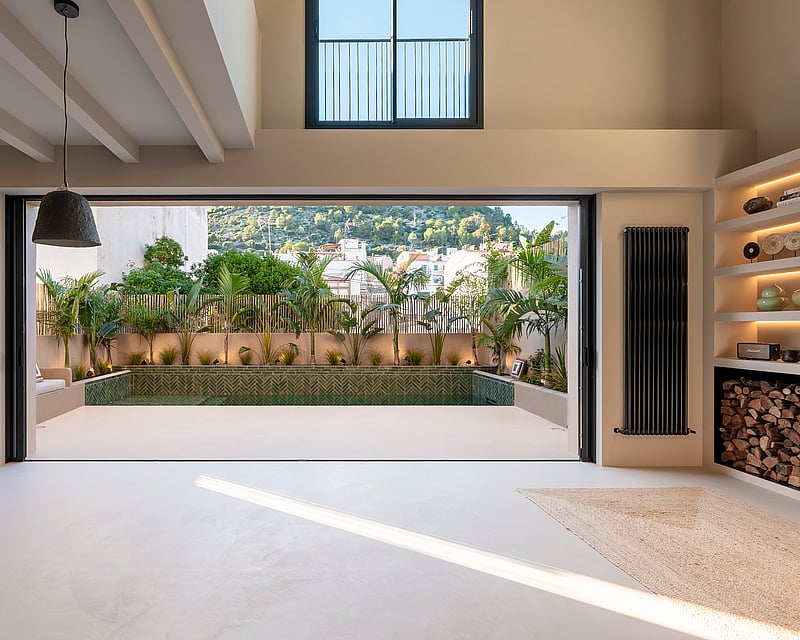
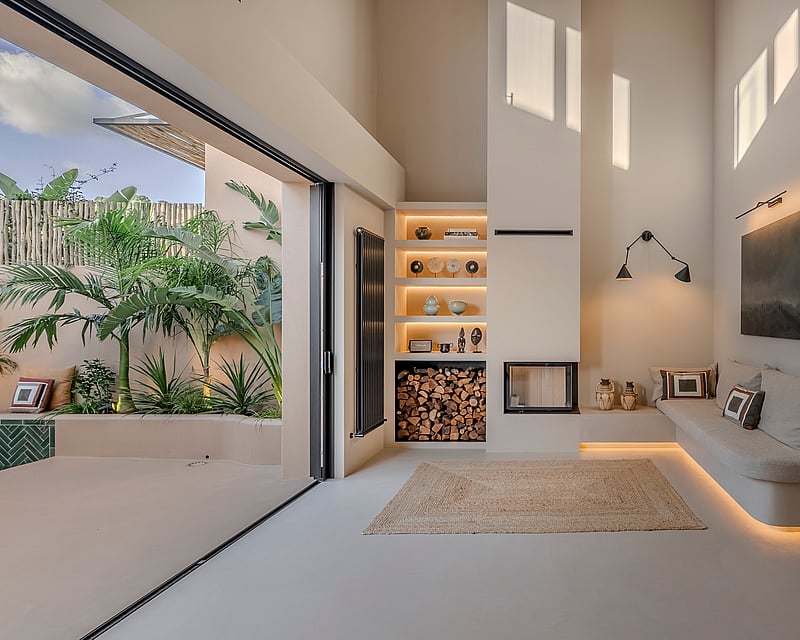
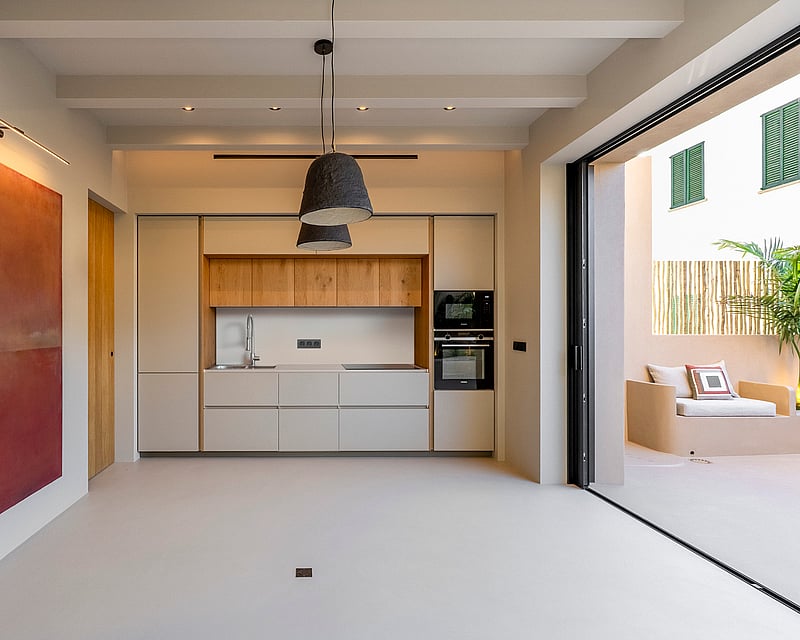
TOWNHOUSE GENOVA
This newly built townhouse is turnkey and ready to move into, built around a double-height living space set to the full width of the pool, so the water reads al
2 bedrooms · 3 bathrooms · 190 m² · 295 m²
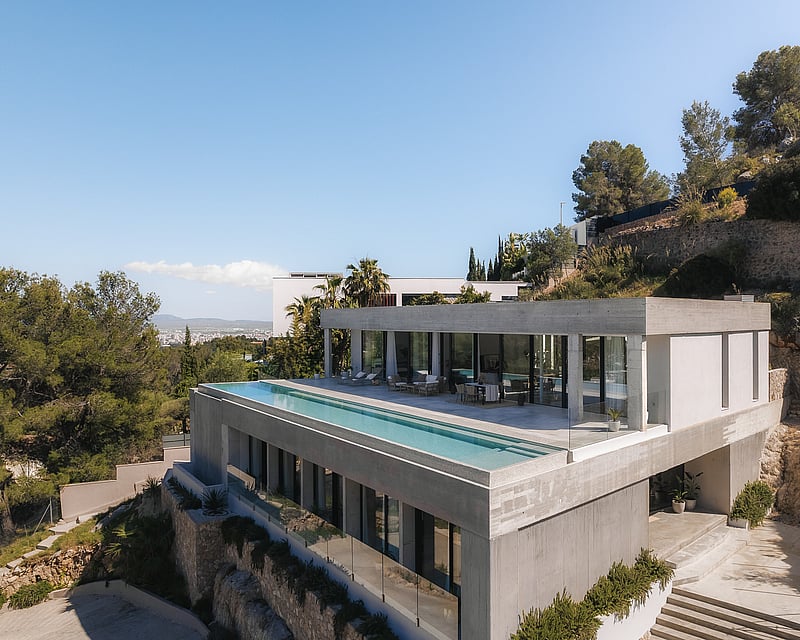
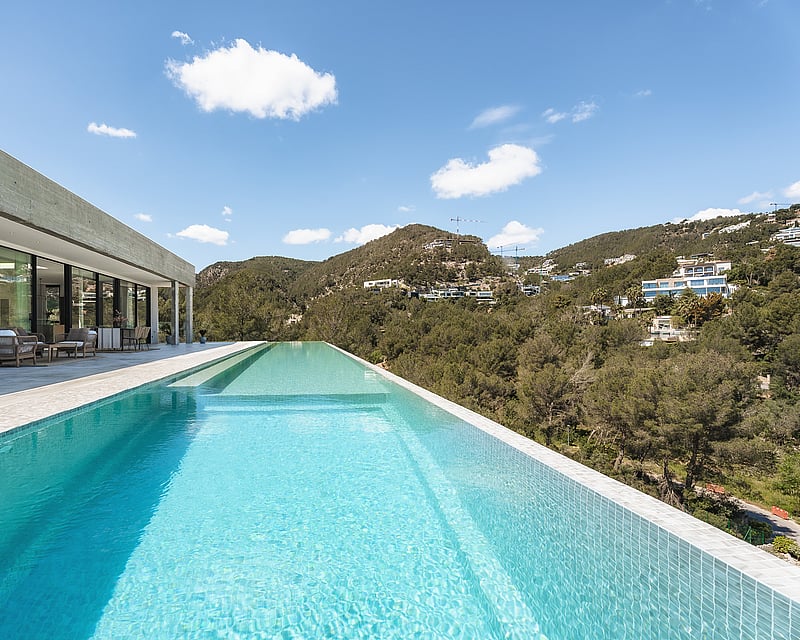
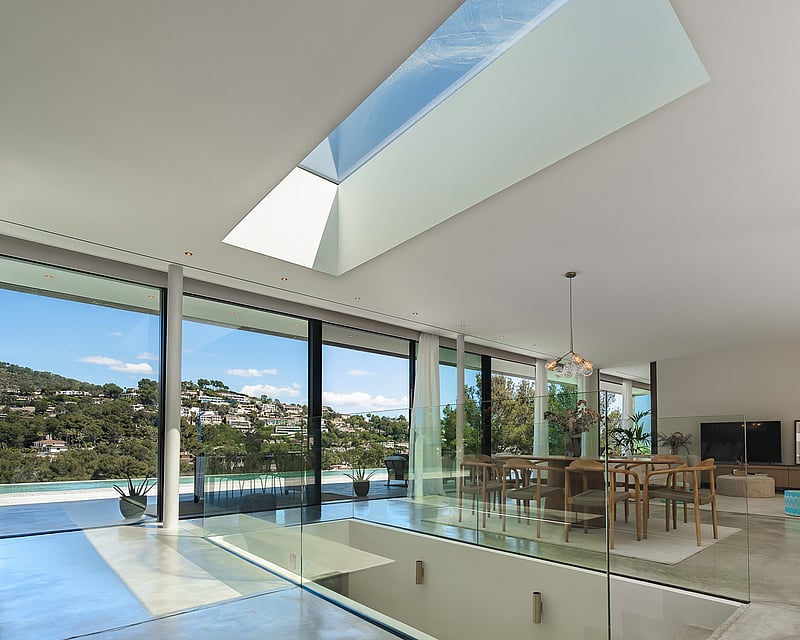
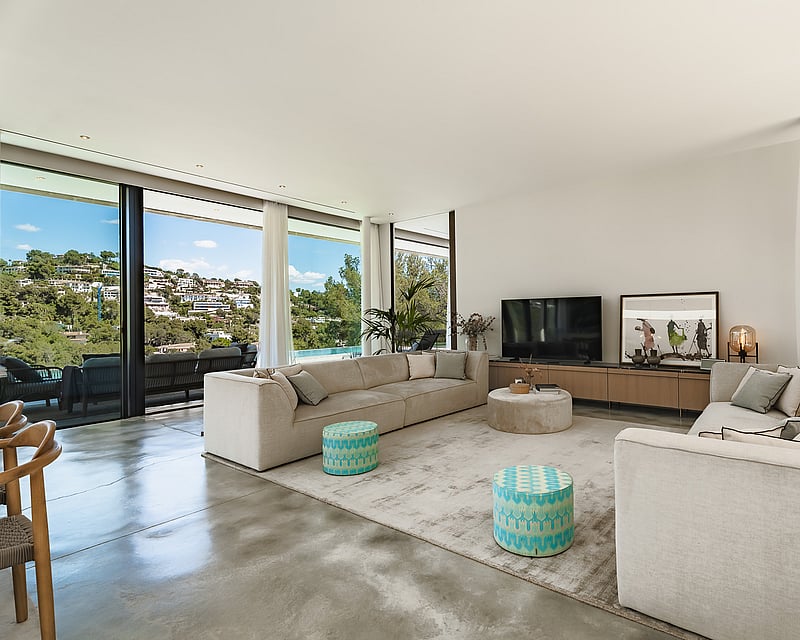
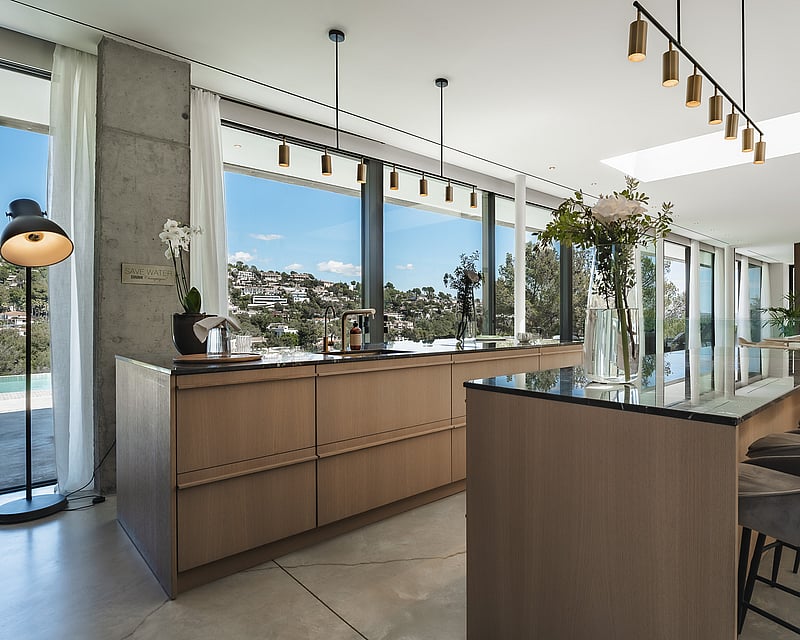
SON VIDA VILLA AGLAYA
Villa Aglaya is an architectural statement in exposed concrete, glass and Mediterranean natural stone, set within the elevated terrain of one of Mallorca's most
4 bedrooms · 3 bathrooms · 455 m² · 2635 m²
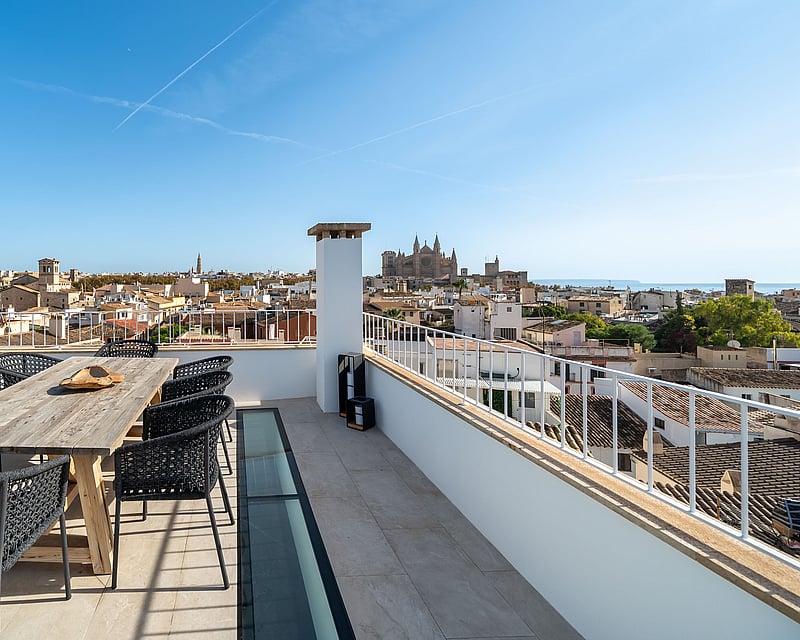
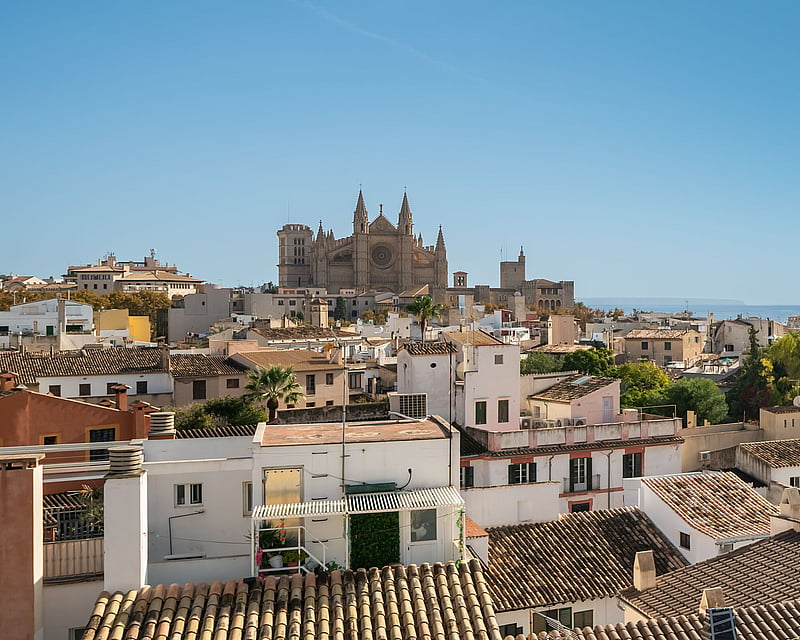
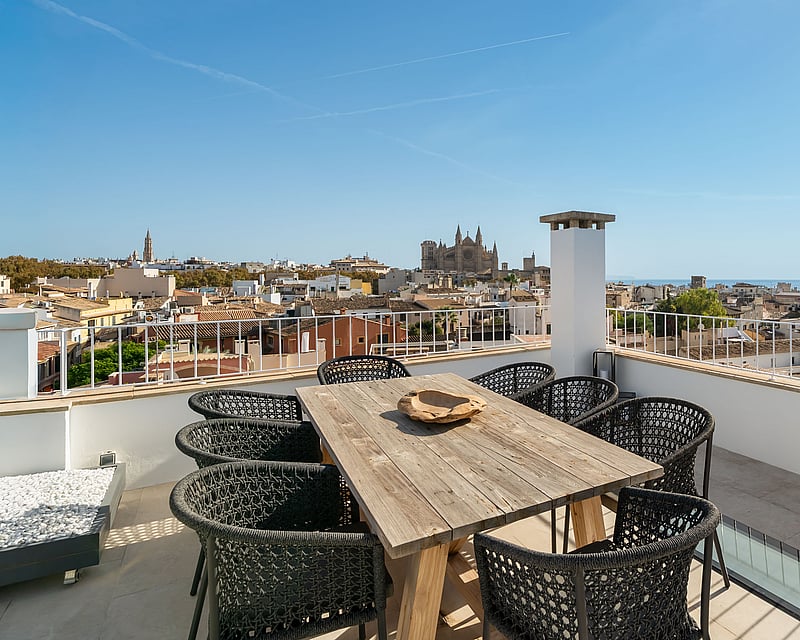
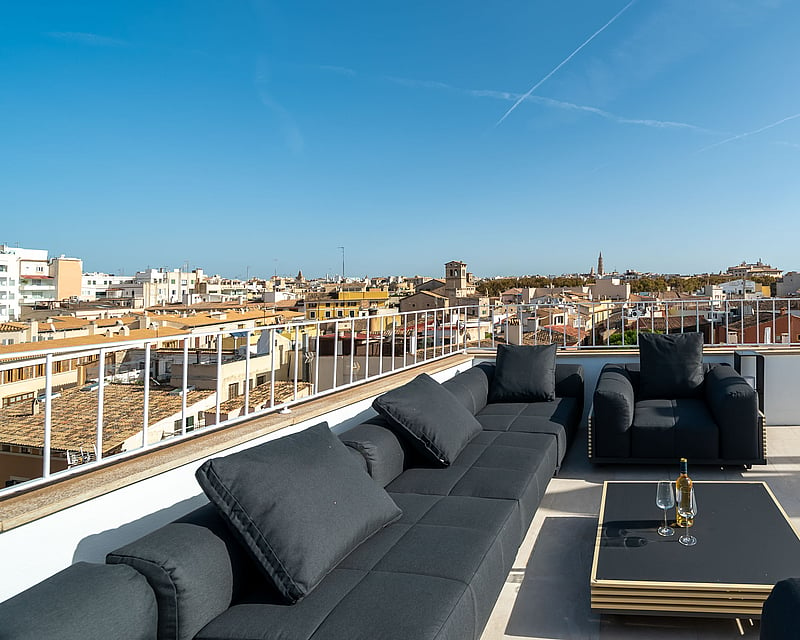
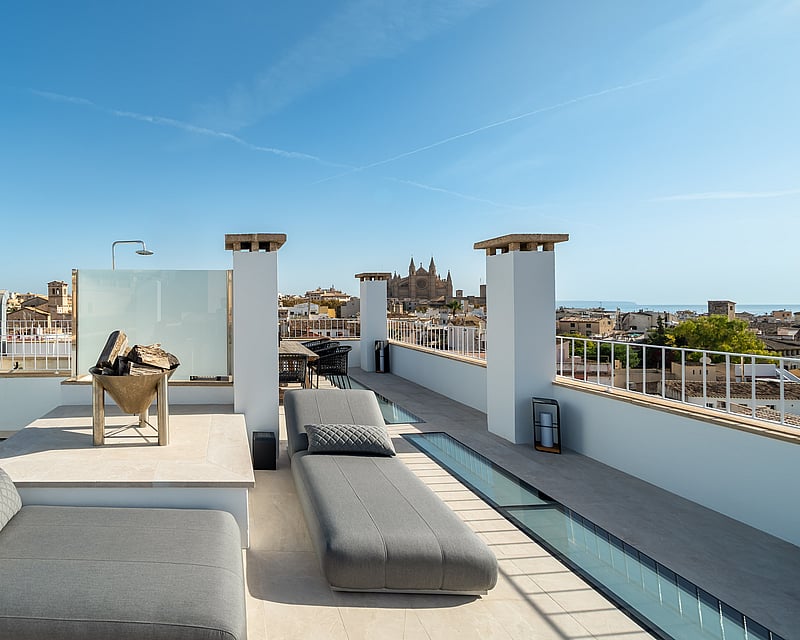
PENTHOUSE IN PALMA OLD TOWN
Set on a quiet street in the La Llotja quarter of Palma's Old Town, this duplex penthouse occupies the upper levels of a building dating to the early eighteenth
2 bedrooms · 2 bathrooms · 145 m² · 226 m²
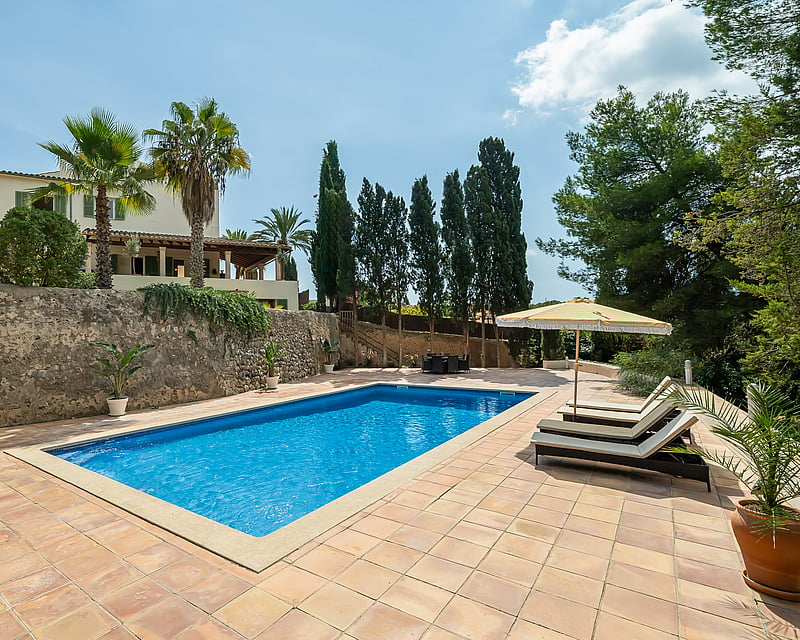
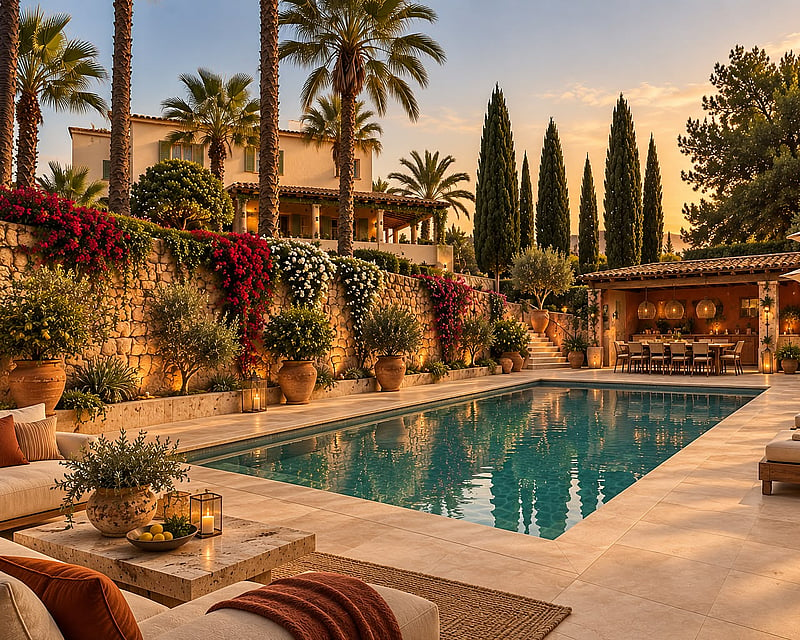
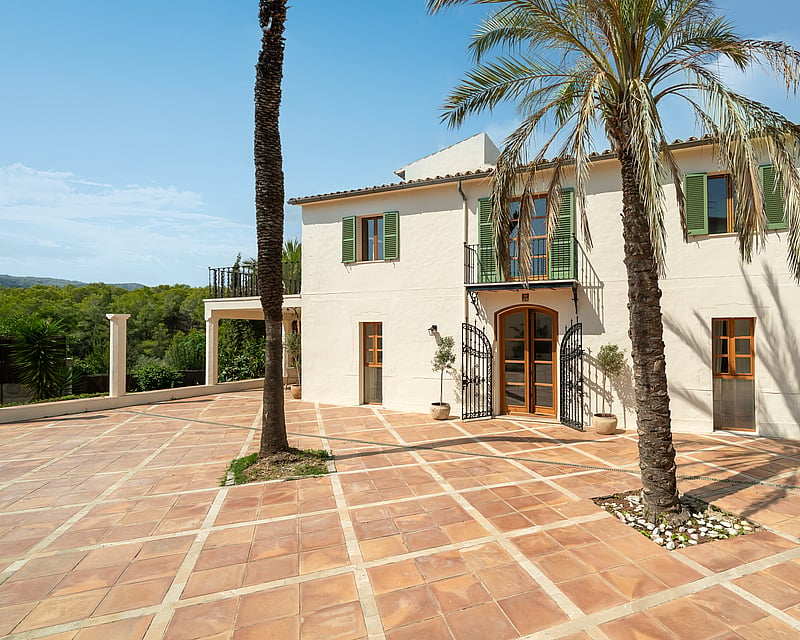
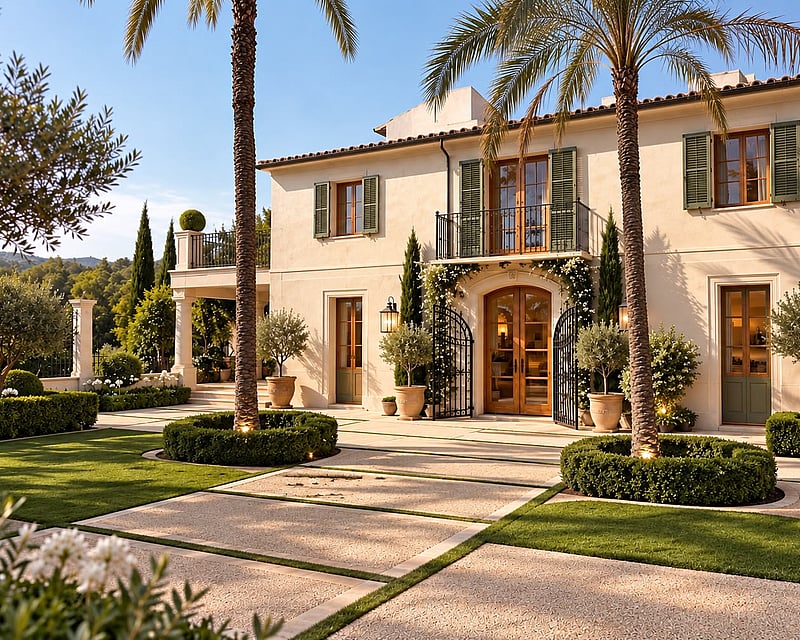
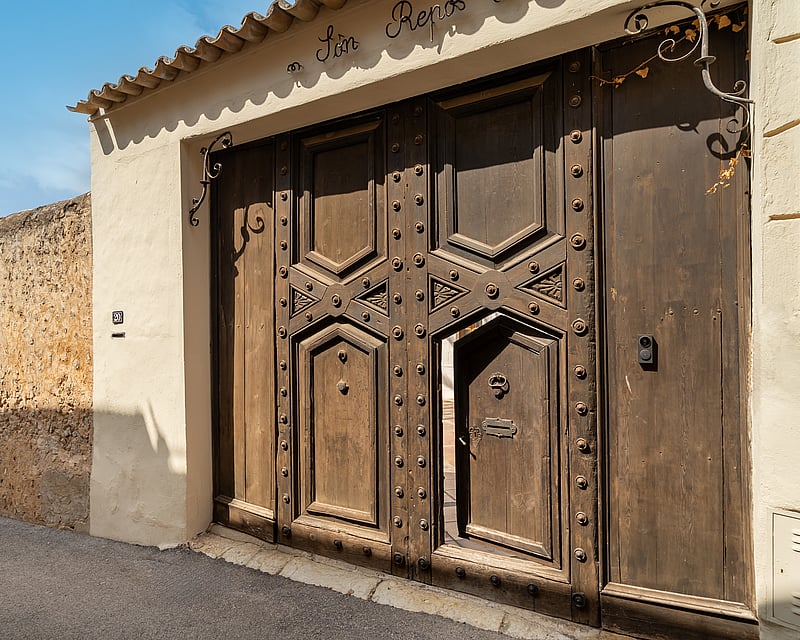
CASA SON REPOS
Built in 1912 and reinvented in 2024, Casa Son Repos is one of those rare Palma properties where age is an asset, not an apology. The bones are authentically Ma
8 bedrooms · 7 bathrooms · 701 m² · 2150 m²
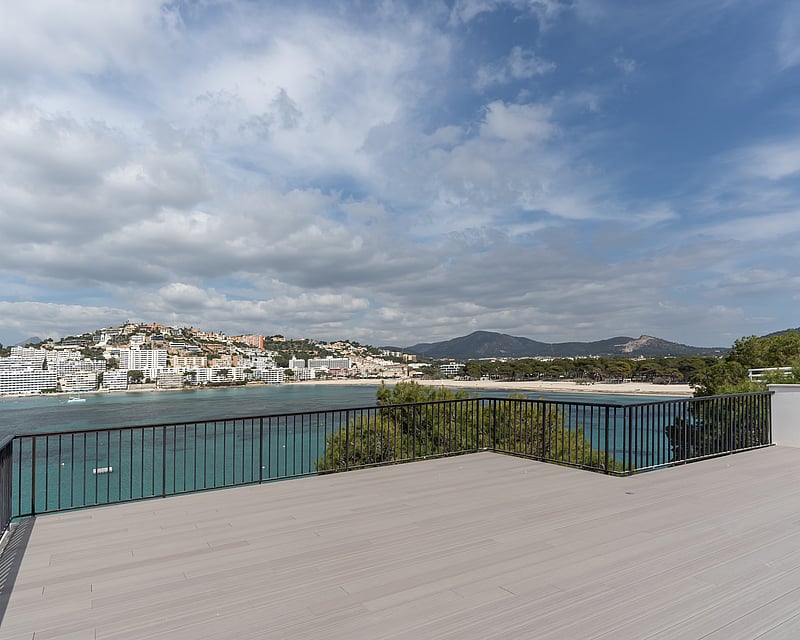
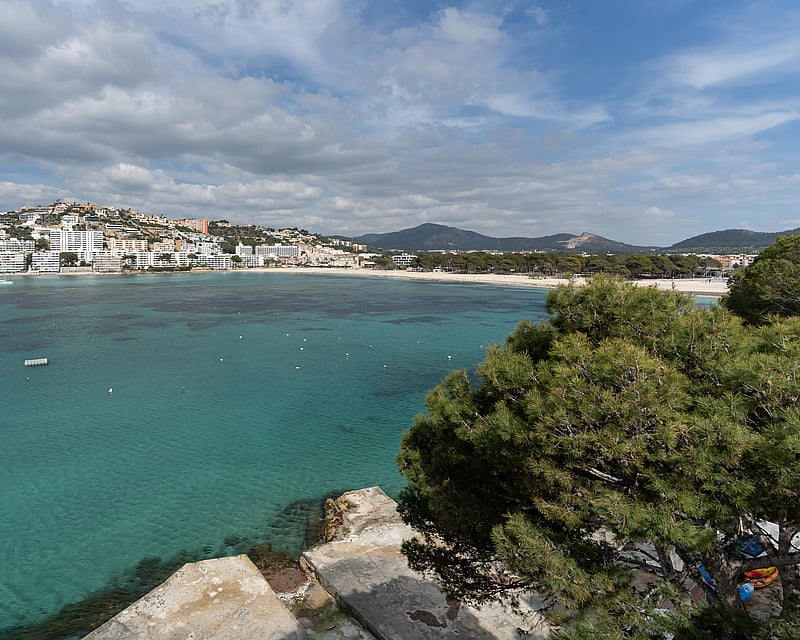
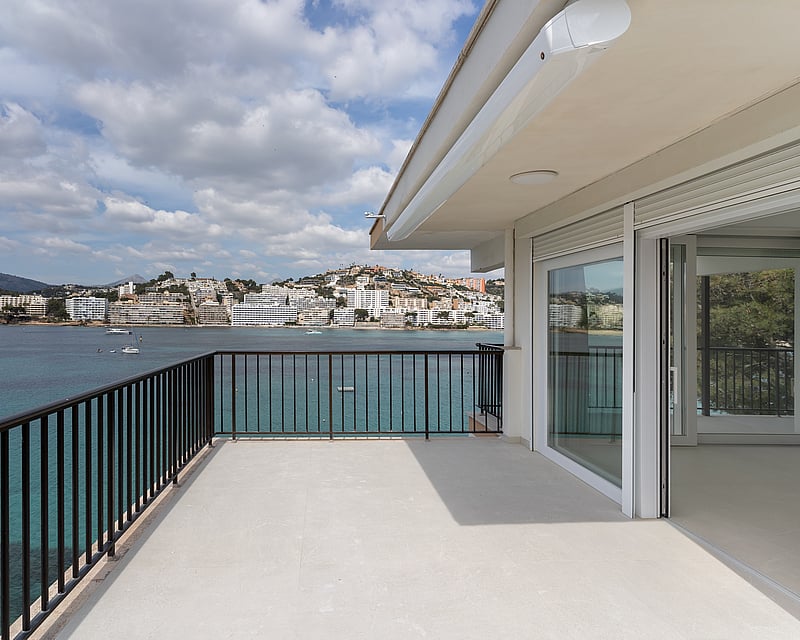
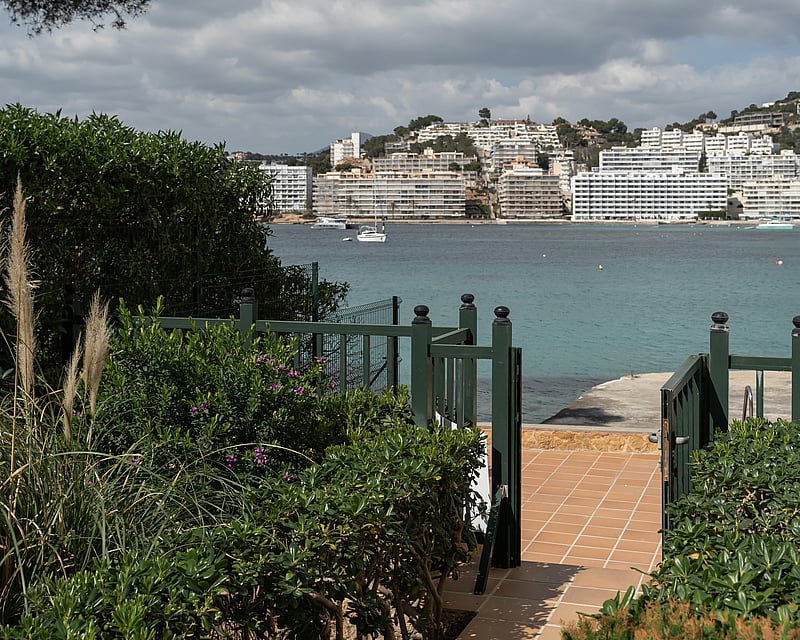
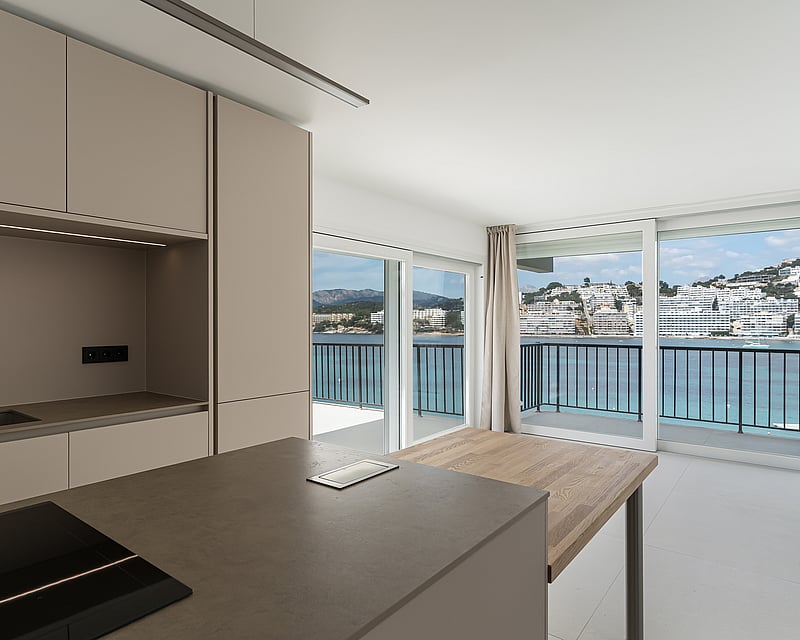
FRONTLINE PENTHOUSE IN SANTA PONSA
Set on the frontline of Santa Ponsa's southern bay, this fifth-floor penthouse has been taken back to the structure and fully renovated for completion in 2026,
2 bedrooms · 2 bathrooms · 80 m² · 213 m²
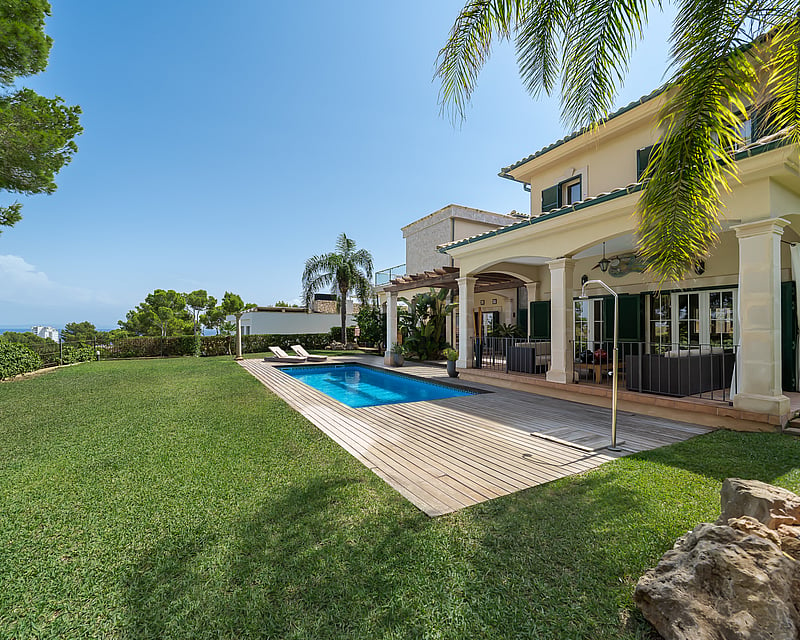
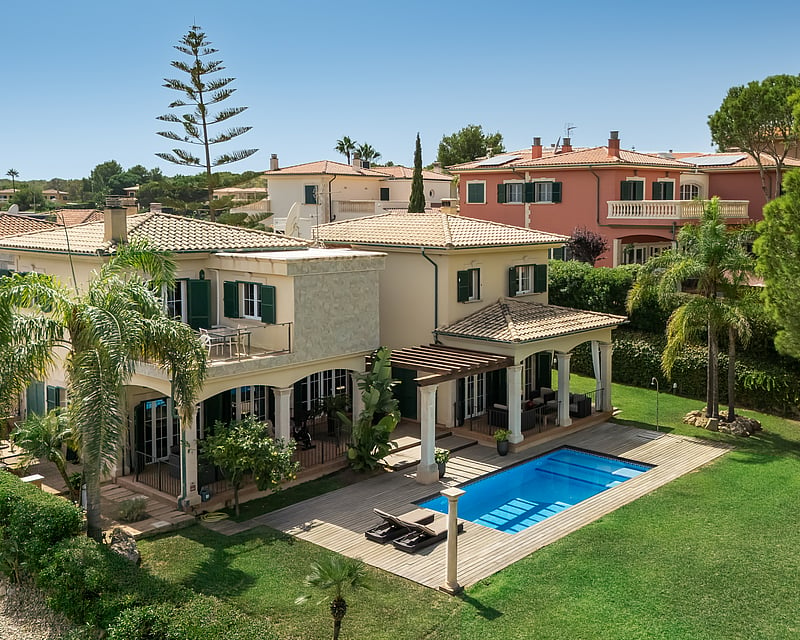
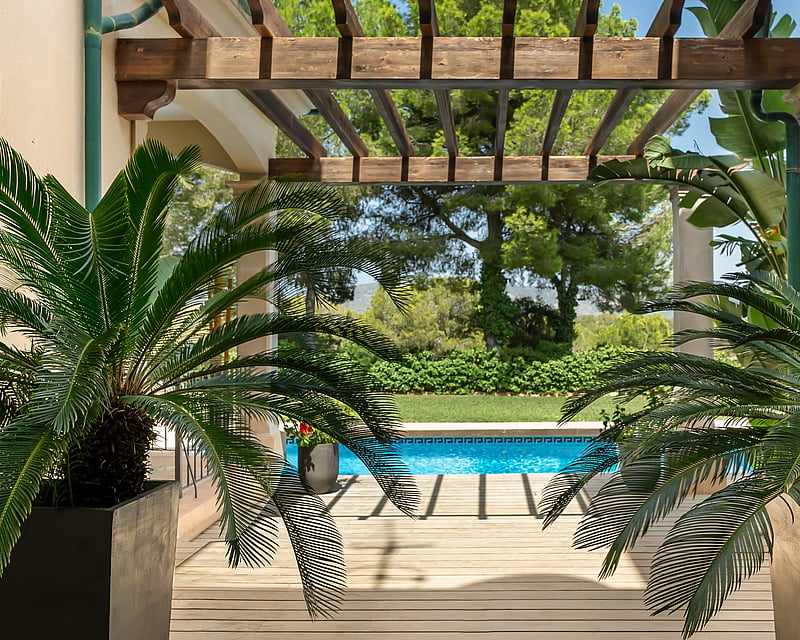
VILLA REINA
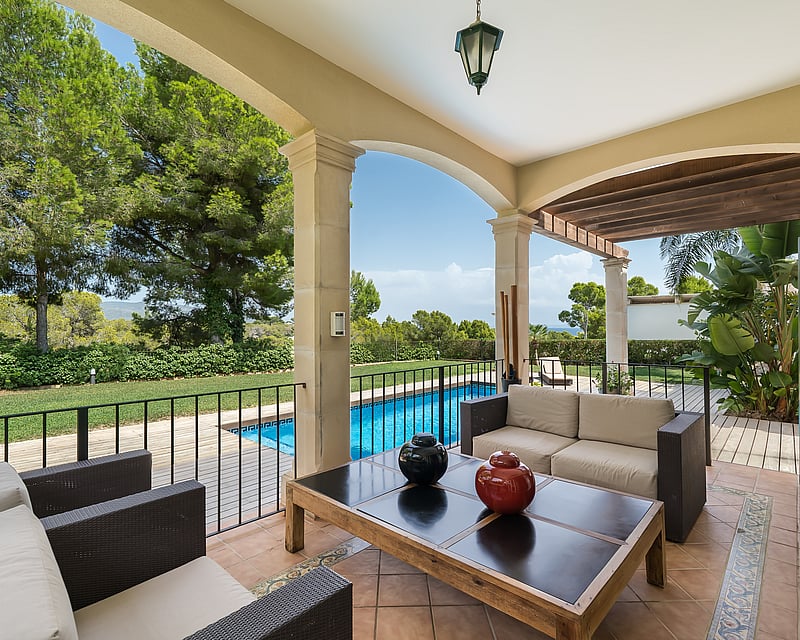
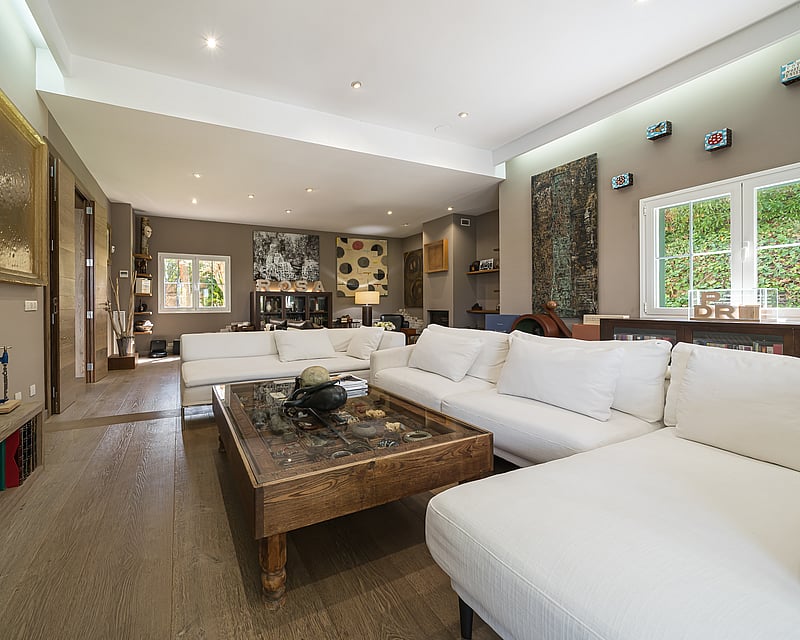
This four-bedroom villa distributes its 340 square metres across two carefully planned levels, with the ground floor dedicated to social living and the first fl
4 bedrooms · 4 bathrooms · 340 m² · 1200 m²
VILLA IN CALA LLAMP
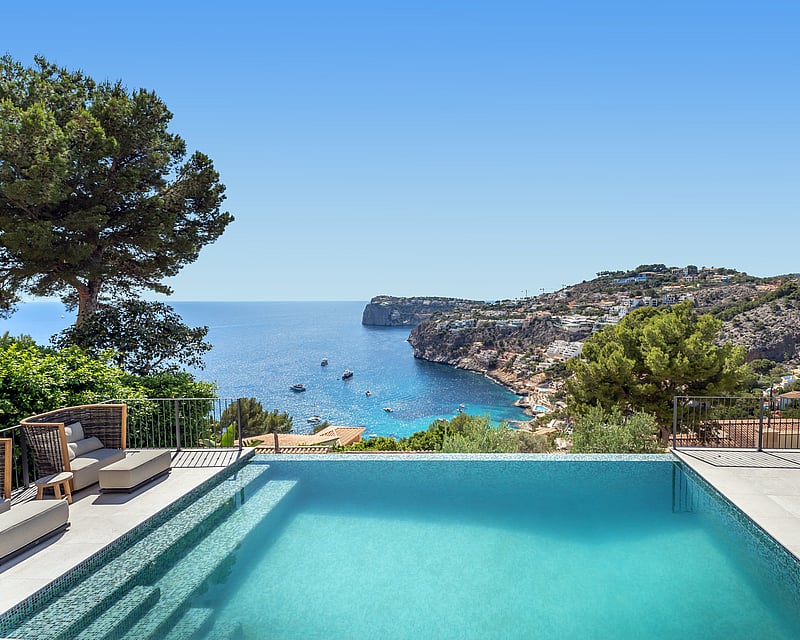
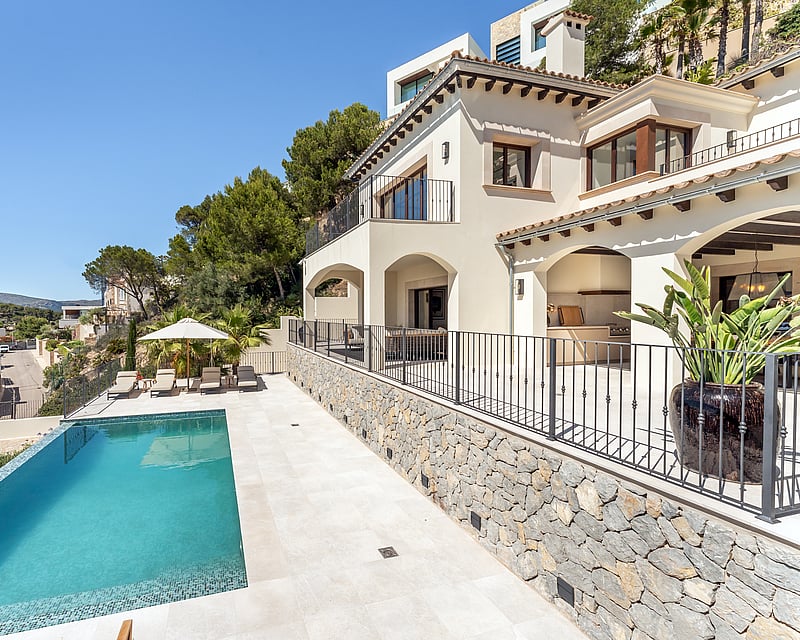
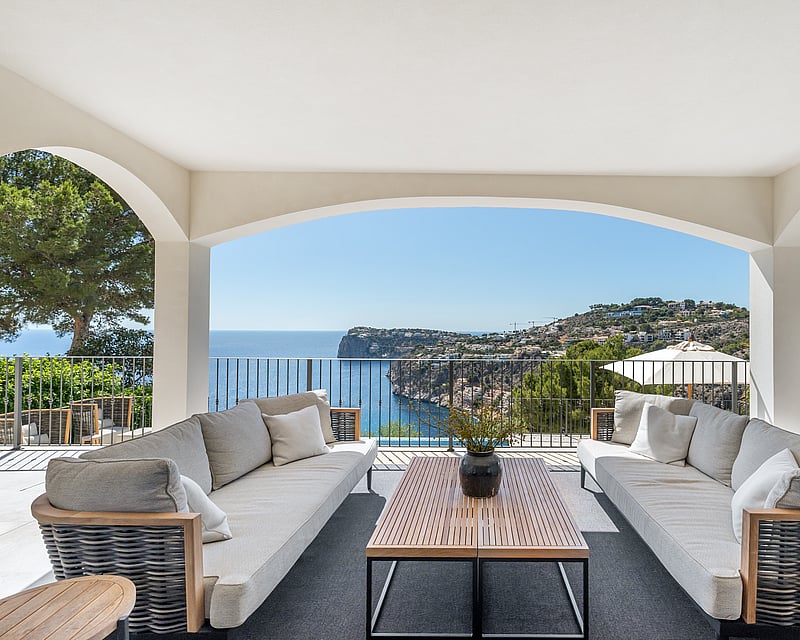
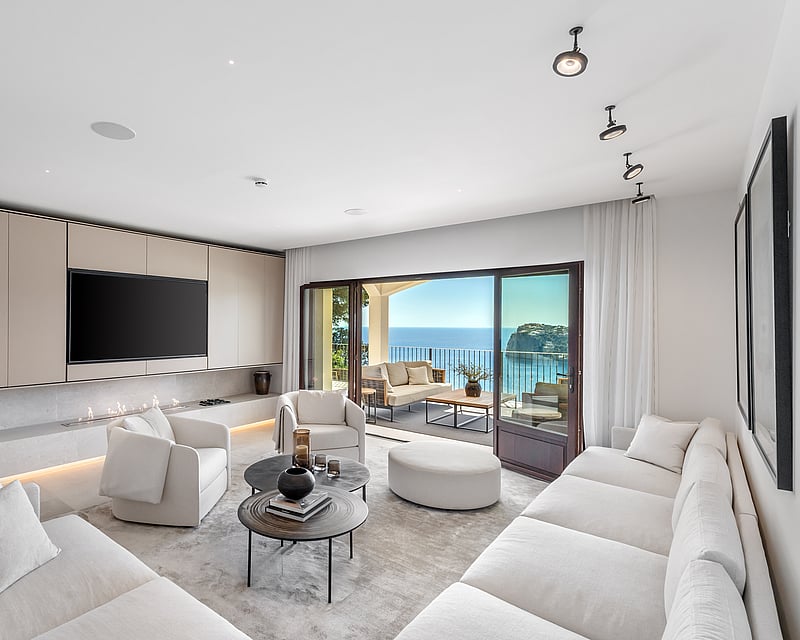
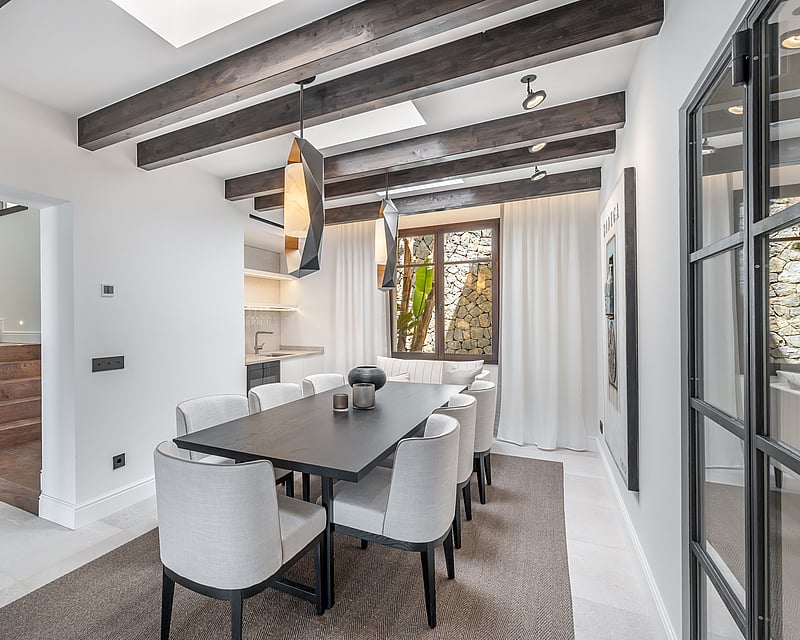
Built in 2008 and taken through a full renovation in 2024, the villa is delivered fully furnished and turn-key, ready to live in from the first day. It sits on
4 bedrooms · 5 bathrooms · 471 m² · 1332 m²
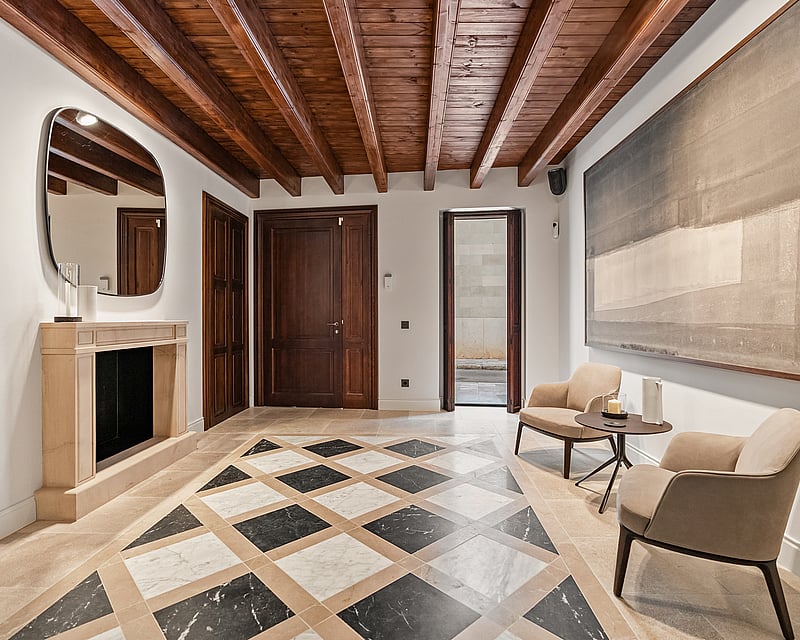
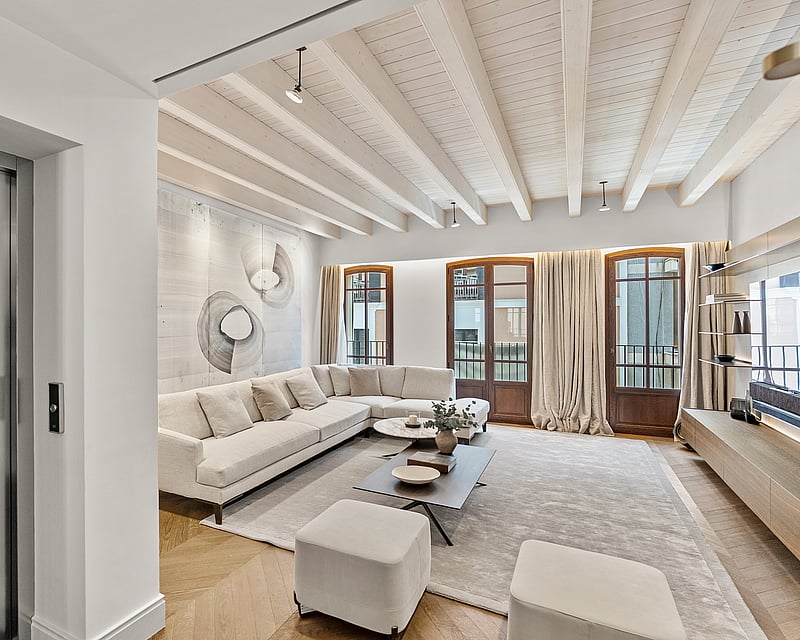
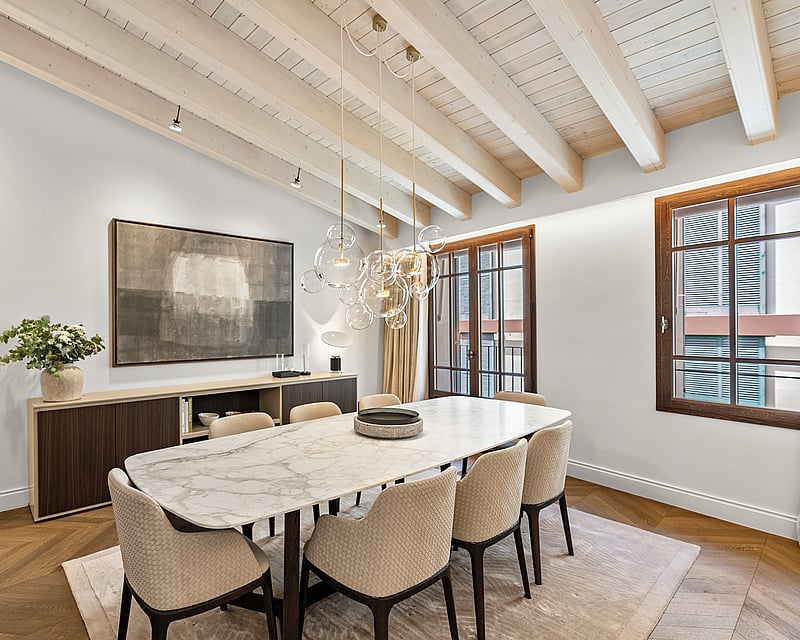
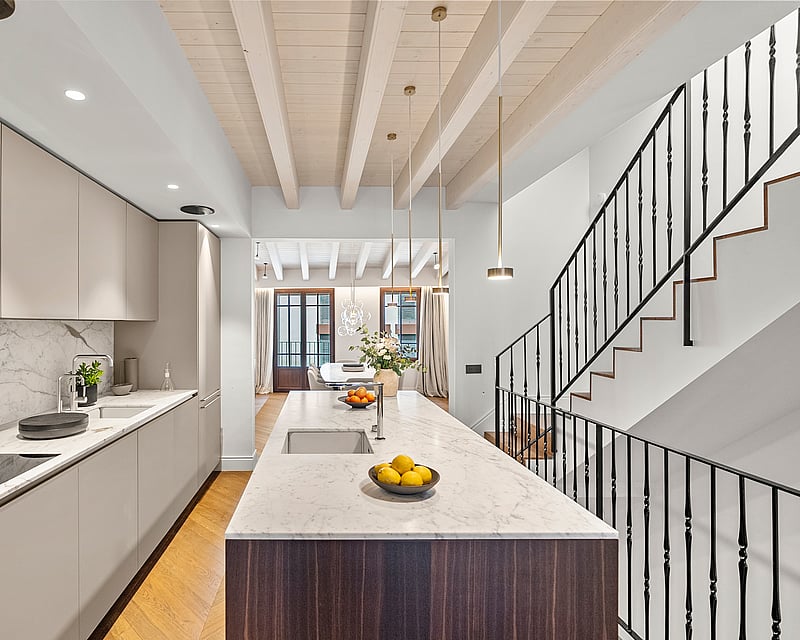
TOWNHOUSE RAIMUNDO IN PALMA CITY CENTER
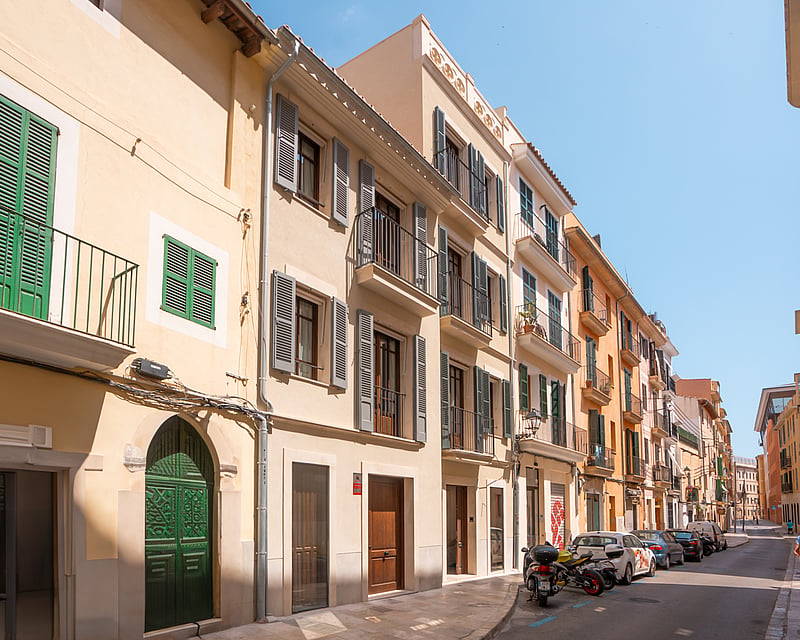
This exceptional townhouse in the heart of Palma represents a masterclass in Mediterranean restoration, where historical character meets sophisticated modern li
3 bedrooms · 3 bathrooms · 275 m² · 323 m²
Find your perfect Mallorca luxury home
The Mallorca luxury market enters 2026 with the same fundamental shape it has held for several years: constrained supply meeting broad international demand, and prices in the prime zones that have proven stubbornly resilient to every macro headline thrown at them. This report reflects what we observe as a boutique brokerage working the island's curated segment from €800,000 — asking-price behaviour, buyer flows and zone dynamics — rather than a statistical survey, and we flag it as such. Honest observation beats manufactured precision.
Three currents define the moment. First, supply in the established prime zones — Son Vida, Bendinat, Port d'Andratx, Palma's best quarters — remains structurally tight; building rules have hardened over the past decade, and the Balearic government's restrictive stance on new development continues to cap what can come to market. Second, the buyer base has broadened: the traditional German core is now joined by growing American and Scandinavian demand, with US buyers notably active in Palma city and the southwest since direct-flight connectivity to the East Coast improved. Third, quality separation has widened — turnkey, energy-efficient, legally impeccable properties transact briskly, while compromised or ambitiously priced stock sits.
For buyers, the practical takeaway is patience with discipline: the correct property at a defensible price still requires speed when it appears, but the market rewards those who refuse the wrong one. For sellers, realistic pricing has never mattered more — the gap between asking and achieved prices tells the story of who advised whom.
Palma city continues its decade-long strengthening. Reformed apartments in the Old Town, Santa Catalina and Portixol attract the broadest international competition we see anywhere on the island, supported by the city's year-round economy; well-priced stock in these quarters rarely needs a second month of marketing. The Paseo Marítimo's completed renovation has visibly lifted interest along the seafront line.
The southwest prime villa belt behaves like the blue-chip segment it is: Son Vida, Bendinat and Portals Nous see steady family-driven demand anchored by the international schools, while Port d'Andratx retains the island's price ceiling and its chronic shortage of correctly priced stock. Santa Ponsa and Nova Santa Ponsa remain the value play within prime Calvià, and the Port Adriano end continues to modernise. Beyond the southwest, the Sóller valley and the southeast around Santanyí and Portocolom keep gaining ground with lifestyle-led buyers priced out of, or simply uninterested in, the classic zones. Fincas with licences and water remain the scarcest rural commodity. If 2026 has a theme so far, it is this: the market is not uniform, and averages mislead — zone selection is doing more of the work in outcomes than timing is.
Are luxury prices in Mallorca still rising in 2026?
Prime-zone values remain firm, with the clearest strength in Palma city apartments and turnkey southwest villas; correctly priced properties in these segments continue to transact quickly. What has changed is dispersion: compromised properties and ambitious asking prices are meeting real resistance, and negotiation margins there have widened. We would characterise 2026 as a quality-selective market rather than a uniformly rising one — averages conceal more than they reveal.
Who is buying at the luxury level right now?
The German-speaking market remains the backbone, particularly in the southwest. British demand stays solid despite the post-Brexit 90-day constraint. The notable shifts are the growth of American buyers — concentrated in Palma and the prime southwest — and steady Scandinavian and Swiss activity. Motivations have tilted from pure holiday use towards semi-permanent and relocation-driven purchases, which favours year-round zones: Palma, the school belt, and towns with winter life.
How is regulation shaping the market?
Decisively. Restrictive Balearic planning has effectively frozen new supply in the prime coastal zones, and holiday rental licensing remains tightly capped — Palma prohibits short-let apartments outright. For owners, this protects values; for buyers, it means existing licensed and legally impeccable properties carry growing scarcity premiums. Energy regulation is the newer force: efficient homes increasingly outperform at resale, and retrofit costs now belong in every renovation budget.
What is your practical advice for buyers and sellers in 2026?
Buyers: define your zone precisely, arrange finance and NIE before searching, and be ready to move within days when the right property appears — the good ones still go fast. Do not chase overpriced stock; the market is punishing it for you. Sellers: price to the evidence from day one. Properties launched realistically are transacting well; those testing the market are financing their neighbours' sales. In both directions, legal preparation is the cheapest advantage available.